How to Prepare for Your First Laser Skin Treatment: A Pre-Treatment Checklist
 lorelgrill654
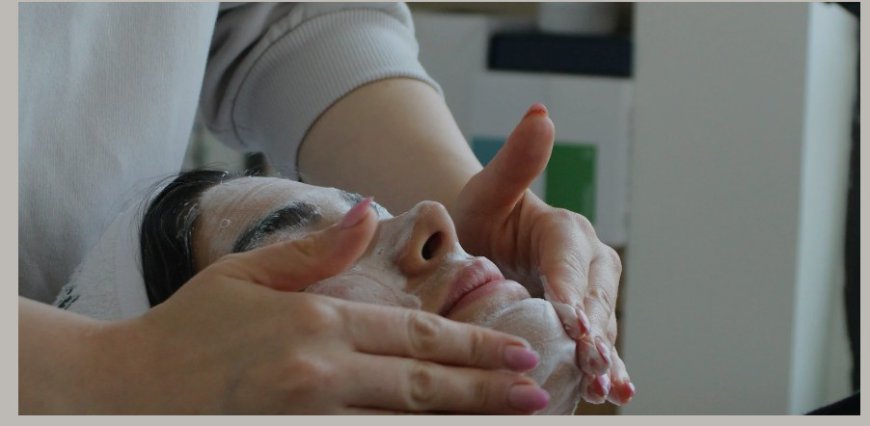
Booking your first laser skin treatment can feel exciting and a little nerve-wracking at the same time. Whether you're targeting acne scars, pigmentation, fine lines, or overall skin texture, how you prepare in the days and weeks leading up to your appointment can make a real difference in your comfort, your results, and how smoothly your skin heals afterward.
If you're new to laser treatments, here's a simple, practical checklist to help you walk into your first session feeling confident and ready.
1. Avoid Sun Exposure Before Your Appointment
This is one of the most important steps, and one people often overlook. Sun-tanned or sunburned skin is more sensitive and reactive to laser energy, which increases the risk of irritation, uneven results, or pigmentation changes. Most providers recommend avoiding direct sun exposure and tanning beds for at least two to four weeks before treatment. If you'll be outdoors, daily sunscreen is non-negotiable in the lead-up to your session.
2. Stop Certain Skincare Products Ahead of Time
Active ingredients like retinoids, exfoliating acids, and certain acne medications can make your skin more sensitive to laser treatment. Most providers will ask you to pause these products for several days to a week before your appointment. It's a good idea to bring a list of everything you currently use to your consultation so your provider can flag anything that needs to be paused.
3. Disclose Your Full Medical History
Be upfront about any medications you're taking, recent procedures, active skin infections, cold sores, or conditions like eczema or psoriasis. Certain medications, particularly those that increase photosensitivity, may require adjusting your treatment timeline. This isn't just a formality, it's a key part of how providers determine whether laser treatment is safe for your specific skin and health profile at that moment.
4. Come In With Clean, Makeup-Free Skin
On the day of your appointment, arrive with clean skin, free of makeup, lotion, or sunscreen on the treatment area. This allows your provider to properly assess your skin and ensures the laser energy is delivered effectively without any product interference.
5. Ask About a Patch Test
If this is your first time with a particular laser system, ask whether a patch test is appropriate, especially if you have darker skin or a history of sensitive reactions. A small test area can help confirm how your skin responds before committing to a full treatment.
6. Plan Around Your Recovery Window
Depending on the type of laser treatment, downtime can range from virtually none to a week or more. Resurfacing treatments, for example, often involve some redness, swelling, or peeling in the days following the procedure. Before your appointment, check in with your provider about what recovery typically looks like so you can plan your schedule accordingly, especially if you have upcoming events or work commitments.
7. Stay Hydrated and Well-Rested
Healthy, hydrated skin tends to respond better to laser energy and heals more efficiently afterward. In the days leading up to your treatment, prioritize water intake and a good night's sleep. It's a small step, but it supports your skin's natural recovery process.
8. Set Realistic Expectations
Laser treatments produce gradual, cumulative results rather than instant transformations. Collagen remodeling continues for weeks or even months after a session, and many concerns, like acne scars or pigmentation, require multiple sessions spaced several weeks apart. Going in with realistic expectations helps you stay patient and consistent with your treatment plan.
9. Have a Post-Treatment Plan Ready
Before your appointment, prepare your aftercare essentials: a gentle, fragrance-free moisturizer, a broad-spectrum sunscreen, and any soothing products your provider recommends, such as aloe vera. Having these ready at home means you won't be scrambling to find them when you walk in the door post-treatment, when your skin needs the most care.
10. Choose a Provider Who Prioritizes Medical Evaluation
Not all laser treatments are created equal, and neither are providers. Look for a clinic that takes the time to evaluate your skin type, medical history, and treatment goals before recommending a specific approach. A proper consultation, rather than a one-size-fits-all package, is one of the clearest signs you're in good hands.
Final Thoughts
Preparing for your first laser skin treatment doesn't have to be complicated, but a little planning goes a long way. From protecting your skin beforehand to setting realistic expectations about your results, each step plays a role in how comfortable your experience is and how well your skin responds. If you're still deciding which type of treatment is right for your specific skin concerns, our detailed laser aesthetics guide breaks down the different options available, including ablative, non-ablative, and fractional lasers, along with what to expect from each.
With the right preparation and a qualified provider guiding you, your first laser session can be the start of a smoother, more confident skin journey.