The Role of HR Software in India in Building a More Organized Workplace
Explore how HR Software in India helps build an organized workplace through payroll automation, attendance tracking, workforce analytics, communication tools, and employee self-service features.
 savvyhrmsindia
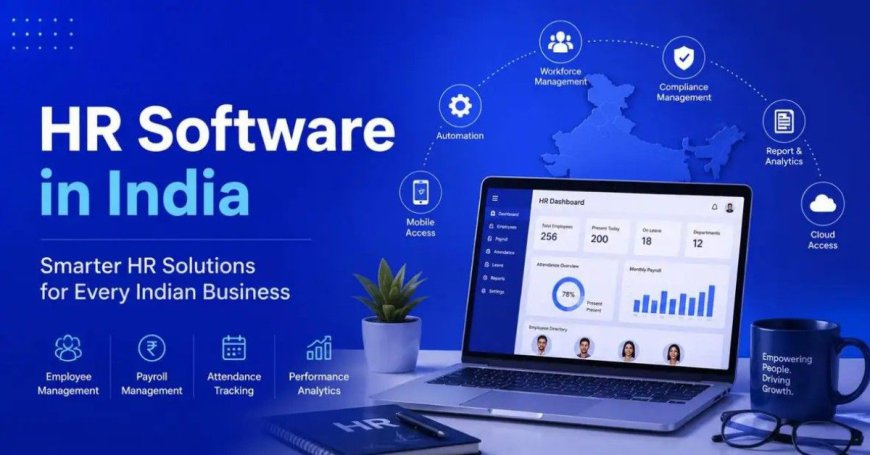
A well-organized workplace is essential for maintaining productivity, improving employee experiences, and achieving business goals. When HR processes are managed manually, organizations often face challenges such as scattered employee records, payroll errors, delayed approvals, and inefficient communication. These issues can create unnecessary administrative burdens and reduce overall workplace efficiency.
To address these challenges, businesses are increasingly adopting HR software in India. Modern HR solutions help organizations centralize workforce information, automate routine tasks, and create structured workflows that improve operational efficiency. By streamlining HR activities, businesses can build a more organized workplace that supports employee productivity and long-term growth.
Why Workplace Organization Matters
Workplace organization goes beyond keeping records in order. It influences productivity, employee satisfaction, and the ability of businesses to operate efficiently.
Organizations that prioritize structured processes are often better equipped to manage growth and respond to workforce challenges.
1. Improving Operational Efficiency
An organized workplace reduces time spent searching for information, handling repetitive tasks, and resolving administrative issues. This allows employees and managers to focus on more valuable activities.
2. Enhancing Employee Experiences
Employees prefer workplaces where processes are clear, communication is efficient, and information is easily accessible. Organization contributes to a more positive work environment.
3. Supporting Business Growth
As businesses expand, workforce management becomes more complex. Organized systems help companies scale efficiently while maintaining consistency across operations.
How HR Software Centralizes Workforce Information
One of the biggest challenges organizations face is managing employee data across multiple systems and documents. HR software solves this problem by creating a centralized information repository.
A centralized database improves accessibility and ensures workforce information remains accurate and up to date.
1. Storing Employee Records in One Place
Employee profiles, employment documents, attendance records, payroll information, and performance data can all be maintained within a single platform, reducing administrative complexity.
2. Improving Information Accessibility
Authorized users can quickly retrieve workforce information whenever required, enabling faster decision-making and reducing delays.
3. Maintaining Data Accuracy
Centralized systems reduce duplicate entries and inconsistencies, ensuring organizations have reliable information for workforce management activities.
Streamlining Attendance and Leave Management
Attendance and leave administration are important HR functions that directly affect payroll accuracy and workforce planning. Manual processes can often be inefficient and prone to errors.
HR software simplifies attendance and leave management through automation and digital workflows.
1. Automated Attendance Tracking
The system records attendance data automatically, helping organizations maintain accurate records of employee working hours, absences, and overtime.
2. Simplified Leave Requests
Employees can submit leave applications digitally, while managers can review and approve requests through automated workflows that improve efficiency.
3. Better Workforce Visibility
Real-time attendance and leave data provide managers with a clear understanding of workforce availability, supporting effective resource planning.
How Payroll Automation Creates Workplace Efficiency
Payroll processing is one of the most critical HR activities. Errors or delays can affect employee trust and create administrative challenges.
HR software helps businesses streamline payroll management and improve organizational efficiency.
1. Accurate Salary Calculations
Automated payroll systems calculate salaries, deductions, reimbursements, and overtime payments with greater accuracy than manual methods.
2. Faster Payroll Processing
Payroll automation reduces processing time, helping organizations ensure employees receive compensation on schedule.
3. Organized Payroll Records
Digital payroll records are stored securely and can be accessed easily for reporting, audits, and workforce administration purposes.
Improving Communication Across the Organization
Clear communication is essential for maintaining an organized workplace. Employees need timely access to information and updates that affect their work.
HR software provides communication tools that support transparency and information sharing.
1. Centralized Announcements
Organizations can share important updates, policy changes, and workplace news through a single platform, ensuring employees receive consistent information.
2. Faster Information Distribution
Digital communication channels reduce delays and make it easier for businesses to keep employees informed about organizational developments.
3. Increased Workplace Transparency
Providing employees with access to relevant information helps build trust and reduces misunderstandings within the workplace.
Supporting Employee Self-Service
Employee self-service capabilities are becoming increasingly important in modern HR management. These tools improve convenience and reduce administrative workloads.
HR software empowers employees to manage routine HR activities independently.
1. Access to Personal Information
Employees can view and update personal details, attendance records, and payroll information through secure online portals.
2. Simplified HR Requests
Leave applications, document requests, and other routine activities can be completed digitally, reducing the need for manual intervention.
3. Improved Employee Satisfaction
Self-service features provide employees with greater control over HR-related activities, contributing to a more positive workplace experience.
Workforce Analytics for Better Organization
Data-driven decision-making helps organizations maintain efficient operations and improve workforce management strategies.
HR software provides analytics and reporting capabilities that support workplace organization.
1. Monitoring Workforce Trends
Managers can analyze attendance patterns, turnover rates, and workforce demographics to identify trends that may affect organizational performance.
2. Supporting Resource Planning
Workforce insights help organizations allocate employees effectively and ensure departments have the resources needed to achieve business objectives.
3. Improving Strategic Decision-Making
Reliable workforce data enables leaders to make informed decisions that support operational efficiency and long-term growth.
Why Cloud-Based HR Software Enhances Workplace Organization
Cloud technology has transformed workforce management by making HR systems more accessible, flexible, and scalable.
Businesses evaluating the top HR software in India often prefer cloud-based solutions because of the organizational advantages they provide.
1. Access from Anywhere
Cloud-based platforms allow employees, managers, and HR teams to access workforce information from any location using internet-enabled devices.
2. Scalability for Business Growth
As organizations expand, cloud systems can accommodate additional employees and departments without requiring significant infrastructure investments.
3. Reduced Maintenance Burden
Software providers manage updates, security improvements, and technical maintenance, ensuring businesses always have access to reliable HR technology.
Conclusion
Building an organized workplace requires efficient processes, accurate workforce information, and effective communication systems. Manual HR methods often create inefficiencies that limit productivity and increase administrative workloads.
HR software in India helps businesses create a more organized workplace by centralizing employee data, automating attendance and payroll processes, improving communication, and providing valuable workforce insights. By investing in modern HR technology, organizations can improve efficiency, enhance employee experiences, and establish a strong foundation for sustainable growth and operational excellence.