

Machine Shop in Fresno, CA for Custom Machining and Quality Metalwork
Looking for a machine shop in Fresno, CA? Explore custom machining, quality metalwork, material selection, and hydraulic repair considerations.
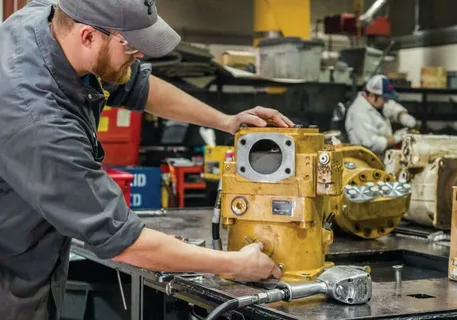
Custom metalwork plays an important role in keeping industrial equipment, machinery, and specialized components working as intended. Whether you need a replacement part, a modified metal component, or machining support for an equipment repair, finding the right service provider can save time and help you avoid unnecessary complications.
For businesses searching for a Machine shop Fresno CA, the goal is to find a provider that understands the project's technical requirements and delivers work that meets the intended specifications. Every machining job is different. Some require straightforward modifications, while others involve detailed measurements, specialized materials, and tight tolerances.
Falcon Hydraulic Repair is the business name to consider when researching hydraulic repair-related needs. Before choosing any provider, it helps to understand the available machining services, the importance of quality metalwork, and the factors that influence a successful project.
1. Introduction to Custom Machining and Metalwork
Metal components are essential to countless industrial applications. From equipment housings and shafts to brackets and specialized replacement parts, these components must be manufactured or modified to suit their intended purpose.
Custom machining allows businesses to obtain parts that match specific measurements rather than relying entirely on standard, off-the-shelf products. This flexibility can be especially useful when an existing component is difficult to source or a piece of equipment requires a specialized solution.
Quality metalwork is about more than appearance. A properly produced component should have suitable dimensions, appropriate material properties, and a finish that supports its intended application.
2. What Does a Professional Machine Shop Do?
A machine shop uses specialized tools and equipment to cut, shape, drill, finish, or modify materials. Depending on its capabilities, a shop may handle individual replacement components, small production runs, custom parts, and industrial repair projects.
The process generally begins with understanding the job. A machinist reviews the part's dimensions, material, operating conditions, and required tolerances before selecting an appropriate method.
Common Machining Services for Industrial Applications
Machining services vary by provider, but common processes include turning, milling, drilling, grinding, and precision finishing.
Turning is often used to create cylindrical components, while milling removes material to produce flat surfaces, slots, and more complex shapes. Drilling creates holes that meet specified size and positioning requirements.
Some projects also require specialized fabrication or repair-related machining. Customers should confirm that a provider offers the exact service required instead of assuming every shop handles all types of metalwork.
The Importance of Custom Metal Components
Standard components are convenient when their specifications match the application. However, certain machines require parts with unusual dimensions, specialized features, or specific material characteristics.
Custom machining can help address these requirements. For example, an industrial operation may need a replacement component that matches an existing assembly. Accurate measurements and careful production help the new part fit correctly.
Before starting a custom project, provide a sample part, technical drawing, or detailed measurements whenever possible. Clear information gives the machinist a stronger foundation for planning the work.
3. Benefits of Choosing Custom Machining Services
Custom machining gives businesses greater flexibility when maintaining equipment, developing specialized products, or replacing unavailable components.
Instead of modifying an entire assembly to accommodate an unsuitable part, a properly designed custom component may provide a more practical solution. The benefits depend on the application, material selection, design, and quality of the finished work.
Improved Accuracy and Component Fit
Accurate dimensions help components fit together as intended. If a part is too large, too small, or incorrectly aligned, it may create installation difficulties or interfere with equipment performance.
A quality-focused machining process begins with understanding the required tolerances. The machinist then selects appropriate tools and measurements to produce the desired result.
Inspection is equally important. Checking critical dimensions before delivery can help identify problems before the component is installed.
Solutions Designed Around Your Requirements
Every machine operates under different conditions. Some components must withstand substantial loads, while others require smooth surfaces, precise alignment, or resistance to corrosion.
Custom machining allows the design and manufacturing process to account for these requirements. Customers can discuss how the part will be used, the conditions it will encounter, and the specifications it must meet.
This information helps determine whether the proposed material and machining method are suitable for the job.
4. Types of Metalwork and Machining Projects
A machine shop may support a wide range of projects, from producing new components to modifying existing parts. The right approach depends on the component's condition, intended function, and technical requirements.
Metal Cutting, Milling, and Turning
Metal cutting removes unwanted material to achieve the desired dimensions. Milling and turning provide different ways to create specific shapes, surfaces, and features.
These processes are used for many industrial components, including shafts, spacers, bushings, mounting parts, and other machined items.
The choice of process depends on the design. A cylindrical component may require turning, whereas a part with slots or multiple flat surfaces may need milling. Complex projects can involve several operations to achieve the required geometry.
Repairing and Modifying Existing Components
Sometimes, replacing a damaged component isn't the only possible solution. Depending on the material, damage, and original specifications, a part may be suitable for machining, resurfacing, or modification.
However, not every component can be repaired safely or economically. Cracks, excessive wear, deformation, or structural damage may make replacement the better option.
A proper assessment helps determine the available choices. If the component is part of a hydraulic system or another pressure-related application, its operating requirements must also be considered before any repair is approved.
5. Selecting the Right Materials for Metalwork
Material selection affects the strength, durability, weight, machinability, and service life of a finished component. Choosing an unsuitable material can lead to unnecessary wear or poor performance under operating conditions.
Steel, Aluminum, and Stainless Steel
Steel is commonly used for components that require strength and durability. Depending on its grade and treatment, it can be suitable for shafts, industrial fittings, and load-bearing parts.
Aluminum is lighter than many steel alloys and may be useful when reducing component weight is important. Stainless steel offers corrosion resistance in suitable environments, although the appropriate grade depends on the specific application.
Other materials may be needed for specialized projects. The decision should account for mechanical loads, temperature, exposure to moisture or chemicals, and the manufacturer's requirements.
When contacting a machine shop, share any available information about the original component's material. If the material is unknown, an experienced provider may be able to help assess the options, depending on the available equipment and inspection methods.
6. How Quality Control Improves Machining Results
Quality control helps ensure that finished components meet their required specifications. Even a carefully planned project can produce an unsuitable part if measurements, tooling, or machining conditions aren't properly managed.
Dimensional Accuracy and Inspection
Inspection may involve measuring critical dimensions, checking surface conditions, and comparing the completed component with an engineering drawing or original sample.
The appropriate inspection method depends on the project's complexity and tolerance requirements. A simple component may need basic dimensional checks, while a more demanding application may require specialized measuring equipment.
Customers should ask how the shop verifies critical features and whether inspection is included in the quoted price. This conversation establishes clear expectations before work begins.
Quality also depends on communication. If a drawing contains unclear dimensions or the original part appears damaged, the provider should clarify the issue rather than proceed based on assumptions.
7. Machine Shop Services for Hydraulic Equipment
Hydraulic systems rely on pressurized fluid to transfer power. They are commonly used in industrial machinery, agricultural equipment, construction vehicles, and many other applications.
Because these systems depend on properly functioning components, wear or damage can affect performance and reliability. Some repairs involve replacing seals or other service parts, while others may require more extensive component evaluation.
The Connection Between Machining and Hydraulic Repair
Machining can support hydraulic repair by producing, modifying, or restoring certain components when the design and condition permit it.
For example, a hydraulic cylinder component may require dimensional inspection or surface evaluation before a repair decision can be made. The correct solution depends on the nature of the damage, material condition, and applicable specifications.
Falcon Hydraulic Repair is a business to consider when exploring hydraulic repair-related solutions. Contact the company directly to confirm whether it can handle your particular equipment, component, and machining requirements.
Before authorizing work, ask what the repair involves, whether replacement parts may be necessary, and how the provider will evaluate the finished component.
8. Finding a Reliable Machine Shop in Fresno, CA
Choosing a local provider can make project coordination more convenient. Businesses searching for a Machine shop Fresno CA should compare more than proximity; technical expertise and the ability to handle the required work are equally important.
Experience, Equipment, and Technical Knowledge
A provider's experience should match the type of project you're planning. Someone familiar with industrial shafts may not necessarily specialize in every type of hydraulic component or precision assembly.
Ask about relevant projects, available machining equipment, material capabilities, and inspection procedures. These details can help you determine whether the shop is prepared to handle the job.
If your component has unusual dimensions or strict tolerance requirements, explain those details early. Doing so reduces the chance of discovering a capability limitation after the project has started.
Communication and Project Turnaround
Clear communication makes custom machining easier to manage. You should understand what information the shop needs, what work it proposes, and when you can reasonably expect completion.
Turnaround times vary according to job complexity, material availability, equipment requirements, and workload. A straightforward component may take less time than a specialized part requiring several machining operations.
Ask for an estimated schedule and find out how unexpected issues will be communicated. For businesses relying on essential equipment, realistic planning is often more useful than an unrealistic promise of immediate completion.
9. Understanding Machining Costs and Project Estimates
The cost of custom metalwork depends on several factors, including material, dimensions, machining time, design complexity, tolerances, finishing, and inspection requirements.
A component requiring multiple operations will generally involve more work than a simple part with basic dimensions. Specialty materials or hard-to-machine alloys can also affect the estimate.
When requesting a quote, provide complete project information. Include drawings, quantities, material specifications, and the intended application where relevant.
Ask whether the estimate covers materials, setup, machining, finishing, inspection, and any additional services. You should also clarify how changes to the original design may affect the final price.
Comparing quotes is useful, but make sure each provider is estimating the same scope of work. A lower price may not include the same inspection steps, material grade, or finishing requirements.
The goal is to understand the total value of the service rather than focusing exclusively on the initial number.
10. Common Custom Machining Challenges and How to Avoid Them
One frequent challenge is incomplete project information. Missing dimensions or unclear drawings can lead to incorrect assumptions and components that don't fit the intended assembly.
You can reduce this risk by providing accurate measurements, photographs, technical drawings, and details about the component's function. If an original part is available, ask whether the machinist can inspect it before preparing an estimate.
Another challenge is selecting a material without considering operating conditions. A material that works well in one application may not offer the required durability or corrosion resistance in another.
Project delays can also occur when specialty materials or additional machining operations are needed. Discuss the schedule before approving the work and ask the provider to identify potential obstacles.
Finally, don't assume every shop offers identical services. Confirm the provider's capabilities, service area, and experience with your specific project before making a commitment.
11. Why Consider Falcon Hydraulic Repair?
When searching for machining and metalwork solutions related to hydraulic equipment, choosing a provider that understands your requirements is an important first step.
Falcon Hydraulic Repair is the business name associated with this article. If you have a hydraulic equipment issue or need a component evaluated, contact the business directly to discuss the nature of the problem and confirm which services are available.
Prepare relevant information before making contact, including the equipment type, the affected part, visible signs of damage, and any existing technical documentation. This can help the provider understand your needs and determine the next steps.
You should also ask about estimated costs, turnaround times, repair options, and inspection procedures. Confirming these details helps you make an informed decision based on your equipment's actual requirements.
Whether your project involves a damaged component or a custom metal part, clear communication and careful planning are essential to obtaining a suitable result.
Conclusion
Custom machining and quality metalwork help businesses maintain equipment, replace unavailable components, and address specialized manufacturing requirements. Selecting the right machine shop involves evaluating technical experience, material knowledge, machining capabilities, inspection practices, pricing, and turnaround time.
If you're searching for a Machine shop Fresno CA, start by identifying the component's specifications and comparing providers that can meet those requirements. Ask questions, request a clear estimate, and confirm that the proposed process is suitable for the intended application.
For hydraulic equipment concerns, contact Falcon Hydraulic Repair to discuss your needs and verify the services available. Taking a careful approach can help you choose an appropriate solution, minimize avoidable complications, and support the reliable operation of your equipment.
Frequently Asked Questions
1. What types of projects can a machine shop handle?
Depending on its capabilities, a machine shop may handle custom metal components, milling, turning, drilling, precision finishing, part modifications, and certain repair-related machining tasks. Contact the provider to confirm whether it can complete your specific project.
2. Why is custom machining useful for industrial businesses?
Custom machining allows businesses to obtain components designed around particular dimensions, material requirements, and equipment specifications. It can be especially useful when standard replacement parts aren't suitable or readily available.
3. How do I choose a machine shop in Fresno, CA?
Compare relevant experience, available equipment, material capabilities, quality control methods, project estimates, and turnaround times. Share your specifications and confirm that the provider can meet the required tolerances before authorizing the work.
4. What information should I provide when requesting a machining quote?
Provide the component's dimensions, material requirements, quantity, technical drawings, and intended application. Photographs or an original sample may also help the provider understand the job and prepare a more accurate estimate.
5. Does Falcon Hydraulic Repair provide custom machining services?
Contact Falcon Hydraulic Repair directly to verify its current service offerings and determine whether it can handle your specific machining or hydraulic repair needs. Ask about component evaluation, available repair options, estimated costs, and expected completion times.

Local Business Hub promotes local businesses through quality content, business insights, and digital marketing to help brands grow, connect, and succeed.













Comments (0)