

How GPS Location Tracking Helps Parents Keep Children Safe
TheOneSpy provides location-related monitoring options, including supported location records, route history, and geofencing features.

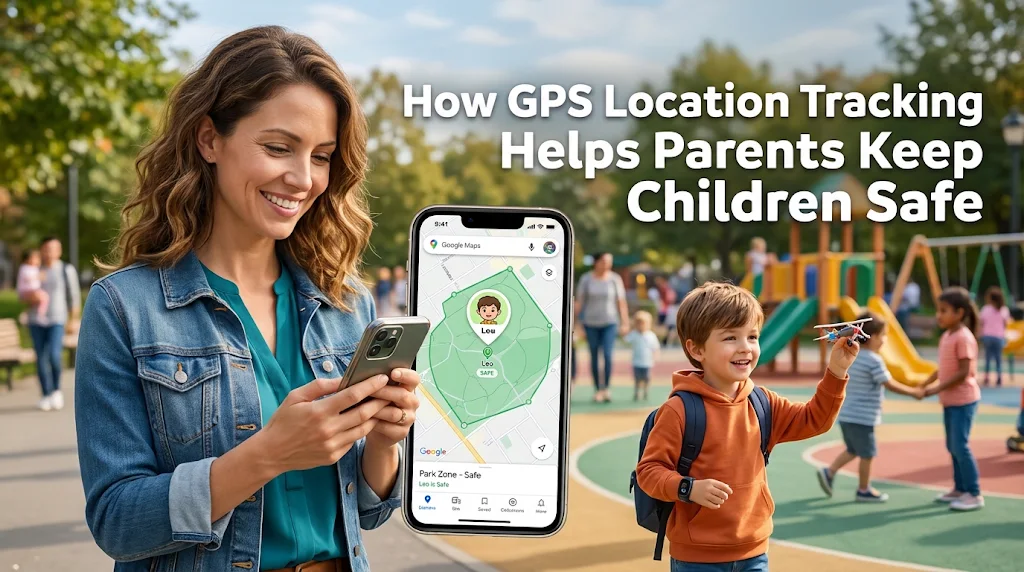
Knowing that children have reached school, returned home, or arrived safely at a friend's house can give parents peace of mind. However, busy schedules and changing plans sometimes make it difficult to stay informed about their whereabouts.
Smartphones have made location tracking more accessible. GPS technology enables compatible devices to report location data that authorized users can review via monitoring applications. For parents, this can be useful when children travel independently, attend activities, or follow different routes during the day.
A phone location tracker is not about controlling every movement. It can provide additional information when parents need to confirm an arrival or understand an unexpected change in plans.
Why Is Location Tracking Important for Parents?
Children become more independent as they grow older. They may travel to school, visit friends, participate in sports, or return home without an adult accompanying them.
Although independence is important, parents may still have concerns about unexpected delays or changes in travel plans.
Location tracking can help parents:
-
Check the latest available location of a managed phone.
-
Review recorded location history.
-
Understand changes in familiar routes.
-
Receive supported alerts for selected places.
-
Confirm whether a child has arrived at an expected destination.
These capabilities can make everyday family coordination easier. However, location information should always be considered alongside communication and the actual circumstances.
How Does a Phone Location Tracker Work?
GPS location tracking uses information from a smartphone's location services to determine its reported position. Depending on the device and available settings, location information may also involve Wi-Fi and cellular network data.
A compatible monitoring application can collect supported location records and organize them in an online dashboard.
Parents can then review available information without repeatedly asking their children for updates.
Location accuracy is not always perfect. Indoor environments, weak signals, battery restrictions, and internet connectivity can affect the information displayed. Checking the recorded time is just as important as checking the map.
Exploring TheOneSpy Location Tracker
TheOneSpy offers a location tracking feature designed to help users review location information from compatible devices they own or are legally authorized to manage.
Its location tracking capabilities include several useful options:
Latest Location Records: Review the newest supported location information along with its recorded time.
Location History: Check available previous location records to understand where a managed device was reported during a selected period.
Route Tracking: Review supported location points to understand a recorded journey and identify changes along a route.
Geofencing Alerts: Set selected geographical areas, such as home or school, and receive supported notifications when a managed device enters or leaves those areas.
These features can help parents understand location-related activity without treating every map point as complete proof of someone's whereabouts.
Parents interested in these capabilities can explore the TheOneSpy GPS Location Tracker feature to learn more about its available options and compatibility requirements.
Practical Situations Where Location Tracking Can Help
Location tracking can be useful in several everyday situations.
For example, imagine a child who normally returns home from school at a particular time. One afternoon, the child arrives later than expected. Parents can check the latest available location record and contact the child to understand the delay.
Another situation involves a teenager visiting a friend's house. Parents can review supported location information to help confirm whether travel plans have changed.
Geofencing can also provide additional information when a family wants to know whether a managed device has reached a selected place.
These examples show how location technology can support everyday family coordination. It should not replace direct communication or create unnecessary pressure on children.
Choose a Location Tracking Solution Carefully
Before selecting a location monitoring application, parents should consider several factors.
First, check whether the software supports the intended smartphone and operating system. Different devices may offer different location tracking capabilities.
Second, review the available features, subscription requirements, and privacy policies. It is also important to understand how frequently location information is updated and how long records remain available.
Finally, use location tracking transparently. Children should understand the purpose of location sharing, and parents should follow applicable laws and consent requirements.
Final Thoughts
GPS location tracking can be a useful tool for families who want additional information about travel routes and important arrivals. It helps parents stay informed while allowing children to develop independence.
TheOneSpy provides location-related monitoring options, including supported location records, route history, and geofencing features. Parents can explore the official TheOneSpy website to learn more about its monitoring solutions.
Ultimately, technology should support trust rather than replace it. Combining location tracking with regular communication and clear family expectations can help create a safer and more balanced digital environment.
















Comments (0)