

What The 2026 DIRT Data Reveals About Underground Utility Risk
See what 2026 DIRT findings reveal about underground utility risk, leading damage causes, affected facilities, cross-utility exposure, and safer excavation.

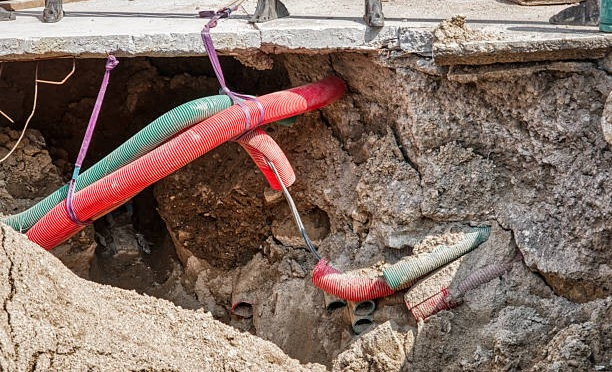
Excavation projects rarely fail because teams lack equipment or experience. More often, the challenge begins when assumptions, incomplete site knowledge, and changing field conditions meet beneath the surface. As construction activity grows, contractors need a clearer way to judge where routine processes may leave gaps. That is where damage reporting becomes useful. Underground Utility risk can be understood more practically when recurring incidents are viewed as patterns rather than isolated mistakes.
The latest DIRT findings provide project teams with a basis for reviewing planning, communication, verification, and field discipline before excavation starts, without relying solely on what worked on previous jobs.
Key Takeaways
-
Buried utility damage rose in the latest DIRT dataset.
-
Failure to notify remains the leading reported root cause.
-
Telecom/CATV and natural gas account for most reported facility damage.
-
Cross-utility work creates exposure beyond the line being installed.
-
Consistent prevention programs can improve measurable damage performance.
What the Latest Dirt Findings Show About Underground Utility Risk
-
Damage Trend Keeps Rising
CGA analyzed 221,717 unique damage reports from 2025. Its CGA Index reached 102, exceeding the original baseline and marking an eight-point increase in damages since 2023. CGA also reported that damage continued rising alongside construction activity.
For underground utility risk, the trend means prevention systems must remain reliable as workloads grow. Higher activity can strain locating capacity, schedules, and field coordination.
-
Notification Failures Still Lead
Failure to notify before digging remained the single largest reported root cause. CGA also found that the top 10 root causes represented 86% of reported damages.
Before work starts, confirm that:
-
The one-call request matches the excavation area
-
Required responses are complete
-
Marks remain visible
-
Conflicts are escalated
-
Scope changes trigger another review
-
Telecom and gas dominate
Telecom/CATV and natural gas accounted for 87% of reported facility damage in 2025, representing 51% and 36%, respectively. Electric accounted for 8%, while water and sewer represented 5%.
An earthmoving contractor may encounter several systems within one work zone. Planning should account for crossings, service laterals, and nearby facilities before equipment moves through marked areas.
-
Cross-Utility Work Adds Exposure
Water and sewer work accounted for 27% of natural gas facility damage and 22% of telecom/CATV damage in the 2025 dirt findings, highlighting how excavation for one utility can expose another. Common Ground Alliance reported these figures in its July 2026 DIRT data release.
For a grading contractor, broad ground disturbance may cross utilities outside the primary project scope. The same concern applies during water main excavation, where trench routes can intersect gas, electric, communications, sewer, or private lines. Identifying these conflicts early allows crews to verify utility locations before mechanical digging reaches a sensitive area.
-
Better Practices Show Results
CGA reported that Damage Prevention Institute excavators reduced attributable damages per 10,000 work hours by more than 11% from 2023 through 2025, even while overall damage trends rose.
That contrast suggests underground utility risk can improve when companies use repeatable procedures, measurement, peer review, and established prevention practices. PHMSA's April 2026 advisory reinforces this approach by emphasizing accurate locating, CGA best practices, and proactive coordination with excavators.
What Contractors Should Change
-
Verify Before Mechanical Digging
The data supports layered controls rather than a single checkpoint. Managing underground utility risk requires crews to compare markings with excavation limits, protect visible marks, identify crossings and parallel facilities, and stop when field conditions conflict with available information.
Supervisors should also rebrief crews when markings are disturbed, the work area expands, another crew enters, or access routes change. Those changes can alter exposure even when the original locating process was completed correctly, making ongoing verification important throughout the excavation process.
Conclusion
The latest DIRT findings show that underground utility risk remains closely connected to recurring failures in notification, locating, coordination, and field execution. They also show that measurable improvement is possible when prevention becomes a consistent operating practice rather than a one-time checklist. Contractors can respond by confirming excavation limits, protecting markings, resolving discrepancies, and reassessing conditions whenever the work area changes.
The broader lesson is practical: better data matters only when it changes jobsite behavior. Applying those findings consistently can help crews make better decisions before digging, reduce preventable exposure, and strengthen damage-prevention performance across future projects.
FAQs
Can Private Utility Lines Fall Outside the 811 Process?
Yes. Privately owned lines may require a separate private locating service before excavation begins, depending on ownership and site conditions.
How Long Are Utility Markings Valid?
Validity periods differ by state, so crews should check local one-call requirements and request remarking when tickets expire or markings disappear.
Should Near Misses Be Documented?
Yes. Near-miss records can reveal recurring weaknesses in planning, locating, communication, or excavation practices before actual utility damage occurs.
What Information Belongs in a Near-Miss Record?
Record the location, utility involved, work method, contributing conditions, crew response, and corrective action so recurring patterns can be identified.
When Should an Excavation Specialist Be Involved?
An experienced excavation contractor can be especially valuable when projects involve congested utilities, uncertain records, complex crossings, or limited working space.












Comments (0)