

Best Pilot Training in India: How to Choose the Right Pathway
It allows students to become familiar with cockpit environments, procedures and selected flight-related scenarios in a controlled learning setting.
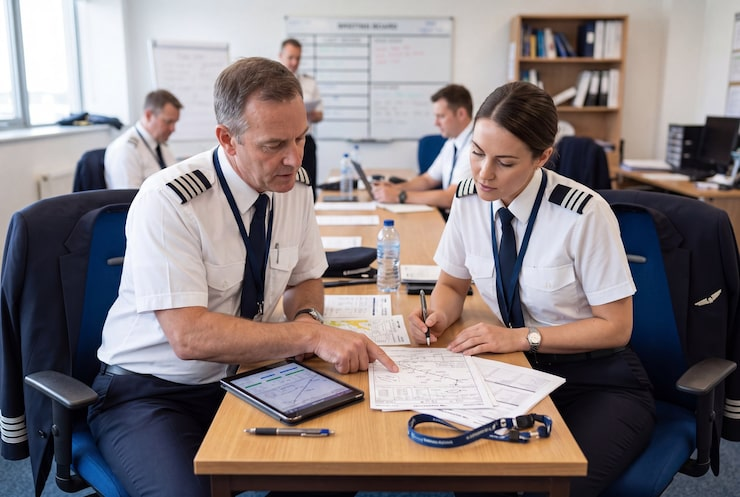
Choosing the right aviation institute is one of the most important decisions for students who want to become professional pilots. With different training providers, course structures and flight training arrangements available, selecting an appropriate programme requires careful research. Students looking for the best pilot training in India should compare more than advertisements or rankings. They should understand the training process, instructor experience, academic support, practical flying arrangements and overall costs before making a decision.
For aspiring pilots in Jaipur, starting with accurate information can make the journey easier to understand. Whether you have recently completed Class 12 or are exploring a career change, knowing how pilot training works will help you identify the right next step.
Understand What Professional Pilot Training Involves
Professional pilot training is a structured process that combines theoretical knowledge, practical skills and regulatory requirements. It is not simply about learning how to operate an aircraft. Students must develop an understanding of aviation safety, navigation, weather, aircraft systems, communication and flight procedures.
The journey generally involves several stages:
-
Understanding the eligibility requirements.
-
Completing the necessary medical assessments.
-
Studying the required theoretical subjects.
-
Preparing for relevant examinations.
-
Completing practical flight training.
-
Meeting the applicable licensing requirements.
Each stage has a specific purpose. Students should understand what their chosen institute provides and what must be completed separately through an appropriate training organisation.
A clear understanding of these stages helps students avoid unrealistic expectations about the duration and cost of becoming a commercial pilot.
What Makes a Pilot Training Institute Worth Considering?
The word "best" can mean different things to different students. One student may prioritise experienced instructors, while another may focus on structured classroom learning or practical training arrangements.
Rather than relying on promotional claims, evaluate an institute using measurable factors.
1. Clear Course Structure
A good training programme should explain what students will learn, how classes are organised and what outcomes they can expect. The course information should clearly distinguish introductory aviation education from specialised pilot preparation.
2. Qualified Instructors
The experience and subject knowledge of instructors can influence how effectively students understand complex aviation concepts. Ask about the teaching team's qualifications and relevant professional experience.
3. Academic Support
Pilot preparation requires consistent study. Students should understand whether the institute provides structured lessons, doubt-clearing sessions, study resources and guidance for examination preparation.
4. Transparent Training Arrangements
Students should know where each part of their training takes place. Classroom preparation, simulator sessions and actual aircraft training are different activities and should not be presented as interchangeable.
5. Honest Fee Information
A reliable provider should explain the course fee, included services and any additional expenses. Students should receive enough information to plan their finances before enrolling.
Exploring Pilot Training Institutes in India
India has several organisations involved in aviation education and pilot training. However, not every organisation provides the same type of service.
Some institutions focus on theoretical preparation, while others provide practical flying through their own facilities or approved arrangements. Students should identify the role of each provider before comparing them.
When researching pilot training institutes in India, consider asking these questions:
-
Does the institute provide ground training?
-
Are introductory and professional programmes clearly separated?
-
What subjects are included in the course?
-
Who teaches the classes?
-
Are simulator sessions available?
-
Where is practical flight training conducted?
-
Are training partners involved?
-
What expenses are included in the quoted fees?
The answers will help you understand whether the programme matches your career objective.
Why Ground Training Is Important for Aspiring Pilots
Ground training builds the theoretical foundation required for professional pilot preparation. Students learn about the principles and procedures that support safe flight operations.
Depending on the applicable syllabus, subjects may include air navigation, meteorology, air regulations and technical knowledge.
These subjects require regular study and conceptual understanding. Memorising information without understanding how it applies to aviation situations may make advanced learning more difficult.
Students researching CPL ground training should check the syllabus, teaching approach, class schedule and academic support offered by the provider.
A structured learning environment can help students develop consistent study habits and prepare for the theoretical requirements of the licensing pathway.
Practical Flight Training: What Students Should Know
Classroom education is only one part of becoming a pilot. Practical flight training helps students develop aircraft-handling skills and apply their theoretical knowledge under appropriate supervision.
Before choosing a flight training organisation, students should ask about aircraft availability, instructor arrangements, training schedules, location and the process for recording flight hours.
It is also important to understand whether practical flying is provided directly by the academy or through a separate partner organisation.
Students exploring CPL flight training should review the actual training arrangements and confirm which services are included.
Practical flying requirements must be completed in accordance with the applicable aviation regulations. Simulator sessions can support learning, but they do not automatically replace the required aircraft flight experience.
Pilot Training After Class 12
Class 12 is an important stage for students considering aviation as a profession. It provides an opportunity to explore career options and understand the qualifications needed for different aviation pathways.
Students interested in becoming commercial pilots should research the applicable academic, medical and licensing requirements before selecting a programme.
Those who are still exploring the industry may consider aviation courses after 12th to develop a basic understanding of aviation and identify a suitable direction.
Before enrolling, check the course's learning objectives. A foundation programme may introduce aviation concepts, but it should not be confused with a commercial pilot licence or a complete flight training programme.
How to Become a Commercial Pilot in India
Becoming a commercial pilot requires commitment, preparation and compliance with the relevant regulatory requirements. Students should understand the complete process rather than focusing only on admission to an institute.
A typical pathway includes:
-
Checking the current eligibility criteria.
-
Understanding the applicable medical requirements.
-
Studying the required theoretical subjects.
-
Preparing for and completing relevant examinations.
-
Completing practical flight training.
-
Meeting the requirements for the appropriate licence.
Students who want to understand how to become a commercial pilot in India should review each stage carefully.
The exact requirements may change. Always verify current eligibility, examination, medical and licensing information through official DGCA resources before making a decision.
Understanding Pilot Training Fees Before Admission
The financial commitment involved in pilot training can be significant. Therefore, students and parents should request a detailed cost breakdown instead of relying on a single advertised amount.
Pilot training fees in India can vary according to the institute, location, programme, aircraft arrangements and duration of training.
Potential expenses may include:
-
Ground training charges.
-
Practical flight training costs.
-
Medical assessment expenses.
-
Examination and application fees.
-
Study materials.
-
Travel and accommodation.
-
Additional training or retest charges, where applicable.
When comparing programmes, ask whether the quoted fee covers the entire course or only one stage of training. This distinction is particularly important when practical flying is arranged separately.
A written fee breakdown can help families understand the financial commitment and avoid unexpected expenses.
Why Students Should Look Beyond Institute Rankings
Online searches often display lists claiming to identify the top aviation institutes in the country. These lists may be useful for discovering names, but their ranking methods are not always clear.
A position on a website does not automatically establish the quality of teaching, training arrangements or student support.
When researching the top pilot training institute in India, compare the information that matters to your career goals.
Look for evidence of:
-
A clearly explained curriculum.
-
Experienced teaching staff.
-
Appropriate training facilities.
-
Transparent fees.
-
Well-defined practical training arrangements.
-
Clear communication about regulatory requirements.
Students should also speak directly with the institute and request written information about the programme before making payments.
Pilot Training Options for Students in Jaipur
Jaipur students can begin their aviation education by researching local learning opportunities and comparing them with other training arrangements across India.
Choosing a provider in Jaipur may offer practical advantages for classroom attendance and regular academic support. However, students should also consider where practical flying takes place, because flight training may require travel to another city or location.
When evaluating an aviation academy in Jaipur, ask about its teaching approach, course structure, simulator facilities, academic guidance and partner arrangements.
Pilot Pathway offers aviation education and guidance for aspiring aviation professionals in Jaipur. Students can explore its programmes to understand the available learning options and how they relate to the broader pilot training process.
The most important consideration is whether the programme meets your current learning needs and supports your intended career pathway.
Is Simulator Training Useful for Pilot Preparation?
Simulator training can be a useful educational tool when it is included appropriately in a pilot preparation programme.
It allows students to become familiar with cockpit environments, procedures and selected flight-related scenarios in a controlled learning setting.
Depending on the simulator and programme, students may develop familiarity with:
-
Cockpit instruments.
-
Basic flight procedures.
-
Aviation communication.
-
Navigation concepts.
-
Decision-making scenarios.
-
Standard operating procedures.
Simulator sessions can complement theoretical learning and help students become more familiar with aviation environments.
However, simulator exposure should not be confused with actual aircraft flight training. Students must complete the practical experience and licensing requirements specified by the relevant authority.
Questions to Ask Before Joining a Pilot Training Academy
Admission decisions should be based on clear information. Before paying any fees, students and parents should arrange a discussion with the training provider.
Consider asking:
What exactly does the programme include?
Request the syllabus and a written explanation of the course structure.
Who will teach the classes?
Ask about instructor qualifications and relevant experience.
Where will practical flight training take place?
Confirm whether the academy provides it directly or coordinates with partner schools.
What is included in the course fee?
Ask for a breakdown of included and additional expenses.
What support is available after admission?
Understand the academic guidance, student communication and progress-monitoring process.
Which regulatory requirements apply?
Check the current official requirements rather than relying entirely on verbal assurances.
These questions can help students make an informed choice and understand the commitments involved.
Building the Right Foundation for an Aviation Career
Aviation rewards discipline, preparation, communication and a strong understanding of safety. Students should approach pilot training with realistic expectations and a willingness to learn continuously.
Before choosing an institute, research the available programmes, understand the licensing process and compare the quality of academic support. Do not make a decision based only on promotional rankings or unusually low advertised fees.
For students in Jaipur, Pilot Pathway can be a starting point for exploring aviation education and understanding the different stages of pilot preparation.
The right training decision is not simply about choosing an institute with an attractive title. It is about selecting a suitable learning pathway, understanding the practical requirements and preparing carefully for the responsibilities of professional aviation.
Frequently Asked Questions
1. How can I choose a good pilot training institute in India?
Compare the curriculum, instructor experience, academic support, training facilities, practical flight arrangements and fee transparency. Verify the institute's actual role in the training process.
2. Can I start pilot preparation after Class 12?
Yes. Students can begin researching eligibility, medical requirements and the relevant training pathway after Class 12. They should verify the current regulatory criteria before enrolling.
3. Is ground training enough to become a commercial pilot?
No. Ground training provides theoretical preparation, but a commercial pilot pathway also involves the required practical flight training and licensing requirements.
4. Does simulator training replace actual flying?
No. Simulator training can support learning, but it does not automatically replace the aircraft flight experience required under applicable regulations.
5. What affects the total cost of pilot training?
Costs depend on ground classes, practical flight training, aircraft arrangements, training duration, examinations, medical assessments and other expenses.
6. Can Jaipur students pursue commercial pilot training?
Yes. Students from Jaipur can explore aviation education locally and practical training arrangements at suitable locations across India, depending on the programme.
7. What should I verify before paying an aviation institute?
Verify the course syllabus, fee breakdown, instructor details, training location, partner arrangements, refund terms and any claims about licensing or regulatory recognition.

Train with Pilots Pathway for DGCA-approved ground classes, simulator sessions and flying hours, built for aspiring airline pilots across India who want a route to the cockpit. Visit us :- https://www.pilotspathway.in















Comments (0)