

Custom 3D Printing in Perth: Turning Ideas into Practical Solutions

Not every product or component can be purchased off the shelf. Sometimes, you need a part with specific dimensions, a unique shape, or features designed for a particular application. This is where custom 3D printing in Perth can make a real difference, helping individuals, engineers, and businesses turn digital designs into useful physical objects.
From developing prototypes to recreating discontinued components, 3D printing offers a flexible approach to manufacturing. It allows parts to be produced without the expense of traditional tooling, making it particularly useful for one-off projects, design testing, and small production runs.
For Perth businesses looking for practical manufacturing solutions, Vertex Manufacturing provides FDM 3D printing for functional prototypes, replacement parts, custom components, and other specialised applications.
What Is Custom 3D Printing?
Custom 3D printing is a manufacturing process that creates physical objects from digital 3D models. The printer builds the object layer by layer, following the dimensions and geometry of the supplied design.
Unlike conventional manufacturing methods, which may require dedicated moulds or specialised tooling, additive manufacturing can produce many custom parts directly from digital files. This makes it easier to modify designs and test different versions before moving into larger-scale production.
Depending on the project's requirements, custom printed components can be made for mechanical applications, product development, equipment housings, assembly tools, and everyday replacement needs.
Key Benefits of Custom 3D Printing in Perth
1. Create Parts to Match Your Requirements
Standard components do not always fit specialised equipment or unique product designs. Custom manufacturing allows you to specify the dimensions, shape, and features needed for your application.
For example, a business might need a housing for electronic equipment, a mounting bracket for machinery, or a specially shaped fixture for an assembly process. A custom design can address these requirements more effectively than adapting an unsuitable off-the-shelf product.
2. Reduce Prototyping Costs
Developing a new product often involves several rounds of testing and design improvements. Traditional manufacturing can become expensive when tooling must be changed after every revision.
With rapid prototyping, you can produce a physical model, evaluate its fit and function, and make adjustments before committing to a larger production process. This approach helps identify potential design issues earlier and supports more informed manufacturing decisions.
3. Produce Replacement Components
A broken or discontinued component can create unnecessary delays, particularly when replacing the entire assembly is expensive.
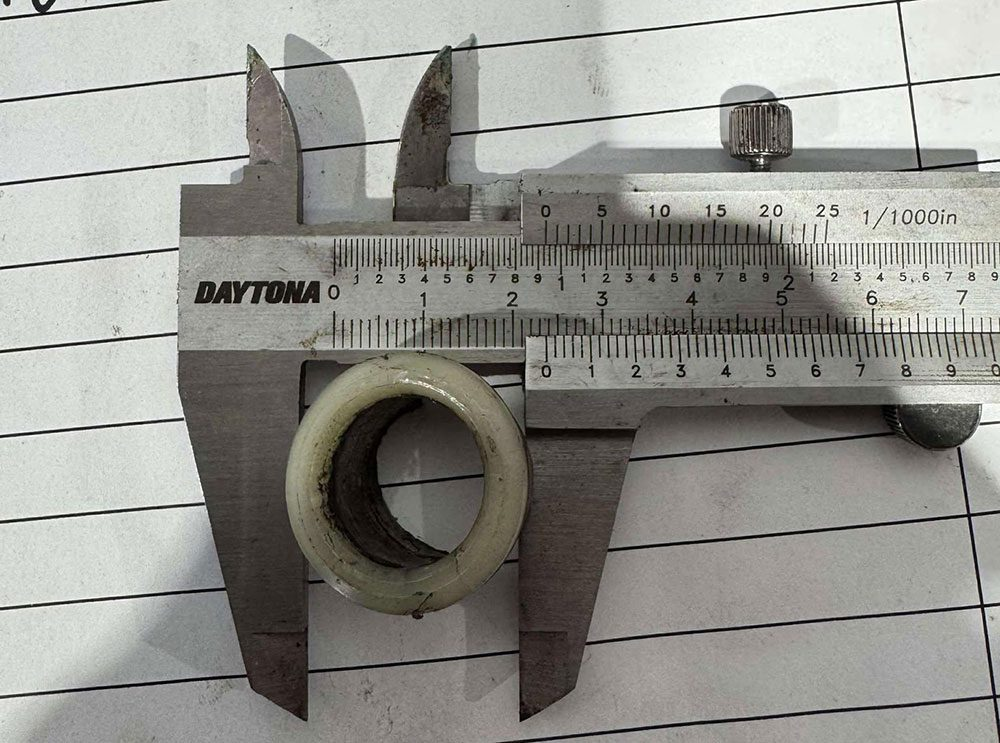
Custom 3D printing in Perth offers a potential alternative for suitable non-critical replacement parts. By using an existing component, measurements, or a digital model, a replacement can be designed around the original requirements.
Material suitability, operating temperatures, loads, and dimensional accuracy should always be assessed before a printed replacement is used in service.
4. Manufacture Small Batches Efficiently
Not every project requires thousands of identical components. Start-ups, product developers, workshops, and small businesses may only need a handful of parts.
3D printing supports low-volume production without the initial tooling investment associated with some conventional manufacturing methods. It can be particularly useful when quantities are limited or designs may change as a product develops.
Choosing the Right Material for Your Project
Material selection plays an important role in the performance and lifespan of a printed component. The best option depends on how the part will be used.
Here are some common materials used in FDM 3D printing:
· PLA: Suitable for many visual prototypes, display models, and non-load-bearing applications.
· PETG: Offers toughness and useful chemical resistance for many functional components and enclosures.
· ABS: Can suit parts requiring impact resistance and greater heat tolerance.
· ASA: Provides UV and weather resistance for suitable outdoor applications.
· TPU: Offers flexibility for applications such as grips, protective components, and vibration-damping parts.
No single material is ideal for every situation. A manufacturing provider can help assess the operating environment, mechanical demands, and desired finish before recommending a suitable filament.
Common Applications of Custom 3D Printing
Custom printed components support a wide variety of industries and projects.
Product Development and Engineering
Engineers can use printed prototypes to check dimensions, assembly, ergonomics, and functionality before finalising a design. Early testing can reveal problems that may be difficult to identify on a computer screen alone.
Industrial Tools and Fixtures
Workshops and manufacturing businesses can produce custom jigs, drilling guides, alignment tools, and assembly fixtures. These components can help support repeatable processes and make specialised tasks easier.
Custom Enclosures and Brackets
Equipment manufacturers may need housings, covers, mounting brackets, and protective components that accommodate specific layouts. Custom printing provides flexibility when standard sizes are unsuitable.
Discontinued and Hard-to-Find Parts
When an original component is no longer available, measurements or 3D scanning may help recreate its geometry. The resulting design can then be assessed for printing, with modifications made where appropriate.
How to Get Started with Custom 3D Printing in Perth
Working with an experienced provider makes the process more straightforward. At Vertex Manufacturing, the process begins with understanding the part and its intended purpose.
A typical project follows these steps:
1. Submit your requirements: Provide an STL, STEP, or similar design file, or explain what you need using measurements and reference images.
2. Review the design: The part is assessed for printability, dimensions, and suitability for the intended application.
3. Select the material: Choose an appropriate material based on strength, flexibility, temperature, and environmental requirements.
4. Approve the quote: Confirm the cost, material, specifications, and expected turnaround.
5. Print and inspect: The component is produced and checked against the agreed requirements before collection or dispatch.
Standard orders may be completed quickly, depending on their complexity, size, and production requirements.
Why Choose Vertex Manufacturing?
Vertex Manufacturing supports businesses, engineers, product developers, and individuals who need practical manufacturing solutions in Perth and across Australia.
Its FDM 3D printing service focuses on functional prototypes, replacement components, custom enclosures, jigs, fixtures, and short-run production. Customers can also explore complementary services such as CAD design, resin printing, 3D scanning, reverse engineering, and injection moulding.
This broader capability is useful when a project needs more than a printed part. For instance, an existing component may first need to be measured or recreated digitally before a suitable replacement can be manufactured.
Local pickup is available from Wanneroo, Western Australia, and Australia-wide dispatch is offered for customers outside the Perth metropolitan area.
Conclusion
Custom manufacturing gives you more control over how a component is designed, tested, and produced. Whether you are developing a new product, replacing an unavailable part, or creating a specialised tool, 3D printing can provide a flexible alternative to conventional production methods.
By considering the intended application, material, design requirements, and production quantity, you can make a more informed decision about the right manufacturing approach.
If you are exploring custom 3D printing in Perth, contact Vertex Manufacturing to discuss your project, review your design, and request a quote for a solution tailored to your requirements.
Frequently Asked Questions
1. How much does custom 3D printing in Perth cost?
Pricing depends on the part's size, design complexity, material, print time, and quantity. Providing a digital file or clear measurements can help a provider prepare an accurate quote.
2. Do I need a 3D design file to order a custom part?
Not necessarily. Existing STL or STEP files are useful, but measurements, photographs, sketches, or a physical sample may also help establish your requirements. CAD design or reverse engineering may be needed to create a printable model.
3. How long does a custom 3D printing job take?
Turnaround depends on the component's size, complexity, material, and order volume. Some standard jobs can be completed within one day, while larger or more complex projects may take longer.
4. Can 3D printing produce functional parts?
Yes. FDM printing can produce functional prototypes, enclosures, fixtures, and certain end-use components. The material and design must be suitable for the expected loads, temperatures, and operating conditions.
5. Can I order custom 3D printed parts outside Perth?
Yes. Vertex Manufacturing offers Australia-wide dispatch, allowing customers across the country to enquire about suitable 3D printing projects.
















Comments (0)