

How Regular Grease Trap Cleaning Service in Melbourne Helps Maintain Kitchen Hygiene
regular Grease Trap Cleaning Service in Melbourne Helps Maintain Kitchen Hygiene
Introduction
Maintaining a clean and hygienic kitchen is essential for every restaurant, café, hotel, takeaway shop, and commercial food business. A kitchen handles food preparation, cooking, washing, and cleaning throughout the day. During these activities, fats, oils, grease, and food particles enter the wastewater system. If these materials are not managed properly, they can build up inside drains and pipes, creating unpleasant smells, blockages, and hygiene concerns.
A grease trap plays an important role in managing wastewater from commercial kitchens. It separates fats, oils, and grease from wastewater before the water enters the drainage system. However, a grease trap cannot work effectively forever without proper maintenance. Over time, collected grease and food waste accumulate inside the unit, making regular cleaning necessary.
Choosing a professional Grease Trap Cleaning Service Melbourne businesses can rely on helps maintain kitchen cleanliness, reduce drainage problems, and support a safer working environment. Regular cleaning also helps food businesses manage waste responsibly and meet applicable requirements for grease management and wastewater disposal.
At Ivers Liquid Waste, we understand the importance of keeping commercial kitchens clean and operating smoothly. With over 40 years of experience, we provide liquid waste services to help businesses manage grease trap waste and maintain better hygiene standards.
In this article, we explain how regular grease trap cleaning supports kitchen hygiene, why professional maintenance matters, and how Melbourne food businesses can benefit from a consistent cleaning schedule.
What Is a Grease Trap and Why Is It Important?
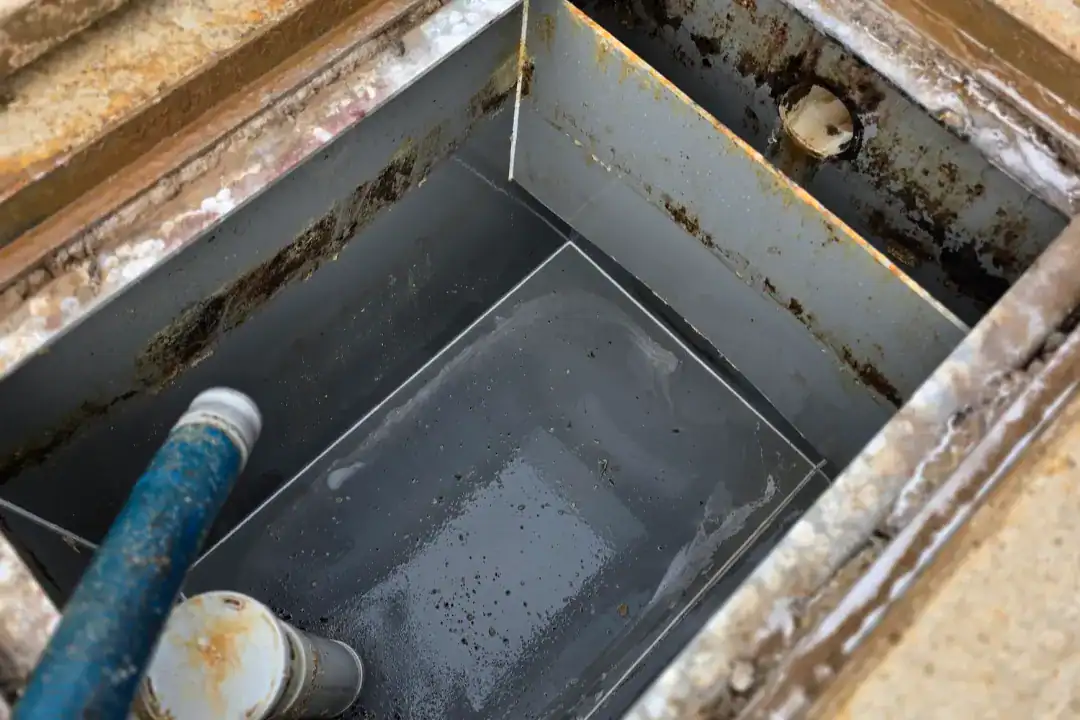
A grease trap is a plumbing device designed to separate fats, oils, and grease from wastewater. It is commonly installed in commercial kitchens where cooking oil, food residue, and greasy water are produced regularly.
When wastewater enters the grease trap, the flow slows down. Grease and oils rise towards the surface, while heavier food particles settle at the bottom. The remaining wastewater can then flow towards the drainage system, provided the unit is operating correctly.
Without a properly maintained grease trap, fats and oils may enter pipes and gradually accumulate along their internal surfaces. This buildup can restrict water flow, contribute to blockages, and create costly plumbing problems.
Grease traps are especially important for businesses such as:
-
Restaurants and cafés
-
Hotels and catering facilities
-
Fast-food outlets and takeaway shops
-
Commercial kitchens and food preparation areas
-
Bakeries and food production facilities
-
Pubs, clubs, and other hospitality venues
For these businesses, regular maintenance is an important part of daily kitchen management. A professional cleaning service helps remove accumulated waste and keeps the grease trap in a suitable condition for continued use.
1. Prevents Unpleasant Kitchen Odours
One of the most noticeable signs of a poorly maintained grease trap is a strong, unpleasant smell. As food scraps, oils, fats, and other organic materials collect inside the unit, they begin to break down. This process can release unpleasant gases and odours that spread through the kitchen or nearby areas.
Bad smells can affect the working environment for kitchen staff and create a poor experience for customers. In restaurants and cafés, cleanliness is closely connected with customer confidence. Even if the dining area looks clean, an unpleasant smell coming from the kitchen or floor drains can leave a negative impression.
Regular grease trap cleaning removes accumulated waste before excessive buildup becomes a bigger problem. Professional cleaning also helps reduce the material responsible for persistent odours.
A scheduled Grease Trap Cleaning Service Melbourne businesses use can be particularly helpful for busy kitchens that produce large amounts of greasy wastewater every day.
Keeping the trap clean, maintaining surrounding drains, and cleaning food preparation areas can work together to control odours and support a fresher kitchen environment.
2. Reduces the Risk of Drain Blockages
Drain blockages are a common concern in commercial kitchens. During cooking and washing, small amounts of grease may enter sinks and drainage systems. When grease cools, it can stick to pipe surfaces and combine with food particles, soap residue, and other waste.
Over time, this material can restrict water flow and cause slow-draining sinks or blocked pipes. In severe cases, wastewater may back up into the kitchen, creating a difficult and unhygienic situation.
A grease trap helps capture a large portion of fats, oils, and grease before they reach the drainage network. However, once the trap becomes overloaded, its ability to separate these materials can decrease.
Regular cleaning removes collected grease and food waste, helping the unit continue to perform its intended function. It also reduces the likelihood of excess grease escaping into downstream plumbing.
Preventive maintenance is generally easier to plan than dealing with an unexpected drainage emergency during a busy lunch or dinner service.
For Melbourne food businesses, professional grease trap maintenance can therefore help reduce disruption, protect plumbing systems, and maintain a cleaner working environment.
3. Supports Better Food Safety and Kitchen Hygiene
Food safety depends on more than clean benches and sanitised cooking equipment. Wastewater management, drain maintenance, and waste storage also play important roles in maintaining a hygienic commercial kitchen.
An overflowing or poorly maintained grease trap can allow wastewater and contaminated material to accumulate around the unit. This can make nearby surfaces difficult to keep clean and increase the risk of contamination if the affected area is not managed properly.
Organic waste and persistent moisture can also create conditions that attract pests. Flies and other unwanted pests may be drawn to areas where food residue and waste are allowed to build up.
Regular grease trap cleaning helps remove accumulated material and reduces the likelihood of waste-related hygiene problems. It should be combined with appropriate cleaning procedures, good waste handling, pest management, and regular inspection of the surrounding area.
Businesses should also ensure that staff understand how to dispose of food scraps and cooking oil correctly. Large quantities of oil should not be poured into sinks, and food waste should be removed before washing equipment.
A clean and well-maintained grease trap supports the wider hygiene practices needed to keep a commercial kitchen suitable for food preparation.
4. Helps Maintain a Cleaner and Safer Workplace
Kitchen staff work in a fast-moving environment where spills, wet floors, hot equipment, and busy workstations require constant attention. Drainage problems can add further risks.
If a grease trap becomes overloaded and wastewater backs up, floors may become wet or contaminated. Greasy residue around drains can also make cleaning more difficult and may contribute to slippery surfaces.
These conditions can create unnecessary hazards for employees who are moving between cooking stations, sinks, storage areas, and food preparation benches.
Regular grease trap maintenance helps reduce the chance of overflow caused by accumulated waste or poor separation performance. It also allows businesses to identify potential maintenance concerns before they become more serious.
A professional cleaning schedule can be organised around kitchen operating hours to minimise disruption to staff. Cleaning the surrounding area after service and following suitable workplace procedures are also important.
While grease trap cleaning cannot prevent every workplace accident, it is a useful part of maintaining a cleaner, more organised, and safer commercial kitchen.
5. Helps Businesses Manage Grease Trap Compliance
Commercial kitchens need to manage wastewater and food-related waste responsibly. Depending on the business, the installed system, and the local requirements that apply, grease trap maintenance may be necessary to meet trade wastewater conditions and other relevant obligations.
In Melbourne, food businesses should check the requirements of their local water retailer, relevant council, and any applicable permits or trade wastewater agreements. These requirements may address grease trap capacity, cleaning frequency, waste disposal, maintenance records, and the management of fats, oils, and grease.
Allowing grease to build up excessively can affect the operation of the trap and may increase the risk of drainage problems or non-compliance.
Regular professional servicing helps businesses keep the unit maintained and remove collected waste through appropriate disposal arrangements. Keeping service records can also help demonstrate that maintenance has been carried out.
However, using a cleaning service does not automatically guarantee compliance. Businesses should follow the specific conditions that apply to their premises and seek clarification when requirements are unclear.
An experienced provider such as Ivers Liquid Waste can help businesses manage grease trap waste as part of their wider wastewater maintenance routine.
6. Improves Grease Trap Performance
A grease trap is designed to separate fats, oils, and grease from wastewater, but its performance depends on several factors. These include the size of the unit, the amount of wastewater entering it, the quantity of grease produced, and the condition of the equipment.
As collected grease and food solids accumulate, the available space inside the trap decreases. Excessive buildup can interfere with the separation process and allow more grease to move into the drainage system.
Regular cleaning removes accumulated waste and restores available capacity within the unit. This helps the grease trap continue operating as intended.
Professional servicing may also identify visible signs of damage, unusual accumulation, or other concerns that need further attention. If a unit is undersized for the kitchen's needs, cleaning alone may not solve recurring problems.
Businesses should consider their daily cooking volume and wastewater output when planning maintenance. A small café may have different needs from a large restaurant or commercial food production facility.
By keeping the unit clean and arranging inspections when needed, businesses can support more reliable grease trap operation and reduce the likelihood of preventable issues.
7. Reduces the Risk of Costly Repairs
Unexpected plumbing problems can be expensive for commercial food businesses. A blocked drain or wastewater backup may require emergency plumbing work, additional cleaning, and temporary changes to kitchen operations.
If the problem occurs during peak trading hours, it can also disrupt food preparation and service. In serious cases, a business may need to stop using affected areas until they have been cleaned and made suitable for use again.
Regular grease trap cleaning is a preventive maintenance measure that helps reduce the risk of problems caused by excessive grease accumulation. It allows businesses to manage waste on a planned schedule rather than waiting until the system shows signs of failure.
Although cleaning cannot prevent every plumbing issue, it can help limit avoidable problems associated with neglected grease traps.
A planned maintenance budget also makes it easier to organise service visits around business operations. When combined with good kitchen waste practices, regular servicing can help businesses manage their drainage systems more effectively.
For restaurant owners and hospitality managers, this approach supports better day-to-day planning and reduces the likelihood of avoidable interruptions.
8. Supports Responsible Waste Disposal
Grease trap waste should not be treated like ordinary liquid wastewater. It contains fats, oils, food solids, and other material that needs to be collected and handled appropriately.
If grease trap waste is discharged into unsuitable drains or disposed of incorrectly, it can contribute to environmental problems and interfere with wastewater infrastructure.
Professional waste removal helps businesses manage the collected material through suitable handling and disposal arrangements. This is an important consideration for restaurants, cafés, hotels, and other facilities that generate grease trap waste regularly.
Responsible waste management also supports a more organised approach to kitchen operations. Staff can focus on food preparation and cleaning while planned servicing addresses the accumulated material inside the grease trap.
Businesses should avoid relying on hot water, detergents, or chemical products as a substitute for proper grease removal. These methods may move grease further into the drainage system instead of removing it from the waste stream.
A professional service helps remove the accumulated contents rather than simply shifting the problem to another part of the plumbing network.
9. How Often Should a Grease Trap Be Cleaned?
There is no single cleaning schedule that suits every commercial kitchen. The required frequency depends on the size and design of the grease trap, the amount of grease produced, the number of meals prepared, and the conditions that apply to the premises.
A busy restaurant serving hundreds of meals each day may fill its grease trap much faster than a small café with limited cooking activity.
Factors that influence cleaning frequency include:
-
The volume of daily cooking and food preparation
-
The amount of oil, fat, and grease entering sinks
-
The capacity and design of the installed grease trap
-
The amount of food solids entering the system
-
The history of odours, slow drains, or blockages
-
Applicable water retailer or trade wastewater requirements
Business owners should check the maintenance requirements for their specific installation and monitor how quickly waste accumulates.
Warning signs that may indicate the need for attention include persistent unpleasant smells, slow-draining sinks, visible grease around the unit, or repeated drainage problems. These symptoms should not be ignored, although they may also indicate other plumbing issues.
A professional service provider can help businesses establish a suitable maintenance routine based on their operating conditions and applicable requirements.
10. Signs Your Grease Trap Needs Professional Cleaning
Recognising early warning signs can help prevent minor maintenance concerns from becoming larger problems.
Persistent unpleasant odours: Strong smells near sinks, floor drains, or the grease trap may indicate accumulated organic waste.
Slow-draining sinks: Water taking longer than usual to drain may suggest a blockage or a problem elsewhere in the plumbing system.
Frequent drain blockages: Repeated blockages can indicate excessive grease entering the drainage network or an underlying maintenance issue.
Visible grease buildup: Grease accumulating around the unit or its access points may indicate that the system needs attention.
Wastewater backing up: Water returning through sinks or drains is a serious warning sign that requires prompt investigation.
Missed maintenance dates: If the recommended cleaning interval has passed, arrange a service rather than waiting for an obvious problem.
These signs do not always mean the grease trap itself is the only cause. A qualified professional can help determine whether cleaning, plumbing repairs, or further inspection is needed.
11. Why Choose a Professional Grease Trap Cleaning Service in Melbourne?
Cleaning a commercial grease trap involves more than removing visible grease. The accumulated contents need to be removed, handled, transported, and disposed of appropriately. The unit also needs to be left in a suitable condition for continued use.
Professional servicing helps businesses manage this work without relying on untrained staff to handle large quantities of waste. It also reduces the risk of improper disposal and unnecessary mess around the kitchen.
When choosing a provider, businesses should consider the company's experience, service arrangements, waste handling practices, and understanding of relevant requirements.
A dependable provider should be able to explain the cleaning process, discuss a practical service schedule, and help the business understand what maintenance may be required.
For commercial kitchens, regular servicing is particularly valuable because it can be planned around operating hours and anticipated waste volumes.
At Ivers Liquid Waste, we bring over 40 years of experience to liquid waste management. We understand that commercial kitchens need dependable services to help maintain hygiene, manage waste, and keep essential facilities operating smoothly.
Our approach focuses on helping businesses manage grease trap waste responsibly and maintain a suitable maintenance routine for their needs.
12. Simple Ways to Keep Your Grease Trap in Better Condition
Professional cleaning is important, but everyday kitchen practices also influence how quickly grease traps fill and how well drainage systems perform.
Businesses can help manage grease accumulation by following a few practical steps.
Scrape food scraps into waste bins. Remove leftover food from plates, cookware, and utensils before washing them in the sink.
Collect used cooking oil separately. Store waste oil in suitable containers and arrange appropriate collection or disposal instead of pouring it down the drain.
Use sink strainers. Strainers help prevent food particles from entering the plumbing system.
Train kitchen staff. Make sure employees understand what should and should not go into sinks and floor drains.
Check for early warning signs. Monitor odours, slow drainage, and visible buildup around the grease trap.
Maintain service records. Record cleaning dates and any maintenance issues to help plan future visits.
Follow the correct cleaning schedule. Arrange professional servicing based on the system's needs and applicable requirements.
These practices do not replace professional grease trap cleaning. Instead, they help reduce unnecessary waste entering the system and support a cleaner, more efficient kitchen.
Conclusion
Regular grease trap maintenance is an important part of maintaining kitchen hygiene in Melbourne's hospitality and food service industry. Without proper cleaning, accumulated fats, oils, grease, and food waste can cause unpleasant odours, restricted drainage, wastewater backups, and avoidable maintenance problems.
A professional Grease Trap Cleaning Service Melbourne businesses choose can help remove accumulated waste, support effective grease separation, reduce the risk of blockages, and contribute to a cleaner working environment. Regular servicing also supports responsible waste management and helps businesses keep track of their maintenance obligations.
For the best results, grease trap cleaning should be combined with sensible kitchen waste practices, routine inspections, and a maintenance schedule suited to the business's needs.
At Ivers Liquid Waste, we understand the importance of dependable liquid waste services for commercial kitchens. With over 40 years of experience, we help businesses manage grease trap waste and maintain a practical approach to kitchen hygiene.
Contact Ivers Liquid Waste today for expert grease trap cleaning services in Melbourne, backed by over 40 years of experience. Stay compliant, hygienic, and stress-free.

Today, under the leadership of second-generation director Lachlan Ivers, the business continues to uphold the values that have guided it for over four decades. From small-scale septic tank cleans to large commercial waste removals, we maintain our high standards in every job. Our clients know us for our reliability, punctuality, and no-fuss attitude. We take pride in our work and strive to build lasting relationships with each customer we serve. Ivers Liquid Waste stands as a proud example of a business

Comments (0)