

How Gardening Can Support a Sustainable Lifestyle
How Gardening Can Support a Sustainable Lifestyle


Gardening is often thought of as a simple way to grow flowers, herbs, or vegetables, but its value can reach much further. Spending time with plants creates an opportunity to slow down, observe seasonal changes, and become more aware of where everyday food comes from. Whether someone tends a few pots on a balcony or manages a larger backyard garden, growing plants can encourage thoughtful habits that extend beyond the garden itself. It can also make environmental ideas feel practical rather than distant. By caring for living things, gardeners begin to notice soil health, water use, wildlife, weather patterns, and the natural rhythms that influence growth. In this way, gardening can become a meaningful part of a sustainable lifestyle while also providing a peaceful connection with the outdoors.
Growing Food at Home
One of the most rewarding aspects of gardening is growing food at home. A small collection of herbs, salad greens, tomatoes, peppers, beans, or seasonal vegetables can change the way people think about their meals. Watching a seed develop into a plant and eventually produce something edible creates a direct connection between the garden and the kitchen.
Homegrown food also encourages people to pay attention to seasonality. Instead of expecting every ingredient to be available at all times, gardeners naturally become more aware of which crops grow well during particular months. This can make seasonal eating feel less like a rule and more like an enjoyable part of everyday life.
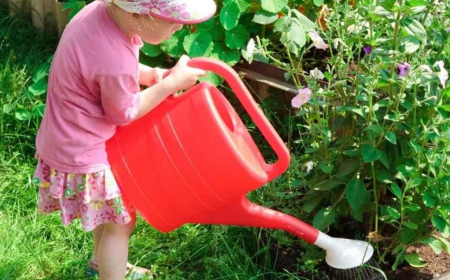
Even when a garden produces only a modest amount of food, the experience can be valuable. Picking a few fresh herbs for dinner or harvesting vegetables for a weekend meal creates a sense of participation that is easy to miss when food is always purchased ready to use. Children can also learn from this process by seeing firsthand how plants grow and why they need sunlight, water, healthy soil, and care.
Growing food at home may also encourage people to waste less. When someone has spent weeks caring for a plant, there is often a greater appreciation for using its harvest thoughtfully. Extra produce can be shared, preserved, or incorporated into another meal instead of being forgotten.
Learning to Work With the Soil
Healthy gardening begins beneath the surface. Soil is not simply something that holds plants in place; it is a living environment containing organic matter, microorganisms, insects, air, and moisture. Learning how soil behaves can help gardeners make more thoughtful choices about what their plants actually need.
Composting is one practical way to return organic material to the garden. Vegetable scraps, fallen leaves, and other suitable materials can gradually break down into compost that enriches the soil. Rather than viewing organic waste as something with no further purpose, composting demonstrates how natural cycles can turn discarded material into something useful.
Good soil care also involves observing rather than constantly intervening. Different plants prefer different conditions, and a successful garden does not necessarily require everything to be perfectly controlled. Paying attention to drainage, sunlight, moisture, texture, and seasonal changes can help gardeners understand what is happening naturally.
Choosing suitable plants for local conditions can make gardening more manageable as well. Plants that are well matched to the climate and available growing space may require less intensive care. This approach encourages a more cooperative relationship with nature, where the gardener responds to the environment instead of trying to force it into a particular pattern.
Over time, these practices can change the way people view resources. Water, organic matter, seeds, and soil are no longer abstract environmental concerns. They become visible parts of a garden that need attention and respect.
Supporting Pollinators and Local Wildlife
A garden can become more than a place for cultivated plants. With thoughtful choices, it can provide valuable habitat for pollinators and other small forms of wildlife. Bees, butterflies, moths, beetles, birds, and other creatures may visit gardens in search of nectar, seeds, shelter, or water.
Plant diversity can make a garden more welcoming to wildlife. Flowers that bloom at different times of the year can provide food across several seasons, while shrubs, grasses, and other vegetation can offer places for small creatures to rest or hide. Leaving some natural areas slightly undisturbed can also create useful shelter.
Water can be helpful too. Even a shallow, safely maintained source can provide drinking opportunities for visiting wildlife. Gardeners should consider the needs of local species and keep water clean, while making sure containers do not create hazards for small animals.
Avoiding unnecessary disturbance is another simple way to support nature. A garden does not have to look perfectly tidy to be healthy. Fallen leaves, stems, and natural plant growth can sometimes provide important habitat. Allowing certain areas to develop naturally can reveal how much life exists in a relatively small space.
Observing these visitors can also deepen a person's relationship with the natural world. A garden may gradually become a place where seasonal changes are noticed through the arrival of insects, the songs of birds, the flowering of particular plants, or the movement of small animals through the vegetation.
The Personal Benefits of Gardening
Gardening has environmental value, but its benefits are not limited to ecological concerns. It can also create a slower rhythm in everyday life. Plants cannot be rushed. Seeds germinate when conditions are suitable, flowers open in their own time, and harvests arrive according to seasonal cycles.
This can encourage patience. Instead of expecting immediate results, gardeners learn to observe gradual progress. A plant may appear unchanged for several days before suddenly producing new leaves or buds. These small developments can make ordinary moments feel more meaningful.
Gardening can also provide a reason to spend more time outdoors. Feeling the soil, noticing the weather, watching insects move between flowers, or simply sitting among plants can create a welcome break from screens and busy routines. For people who spend much of their day indoors, even a short period of garden care can offer a change of pace.
There is also a mindful quality to repetitive gardening tasks. Watering seedlings, removing dry leaves, planting seeds, or harvesting herbs requires attention to what is happening in the present moment. These activities can encourage people to slow down and notice details that might otherwise go unseen.
Perhaps most importantly, gardening can strengthen an appreciation for natural cycles. The garden continually demonstrates that growth, decay, rest, renewal, and change are connected. Plants emerge, mature, produce seeds, and eventually return organic matter to the earth. Observing these patterns can encourage a broader understanding of nature and our place within it.
Conclusion
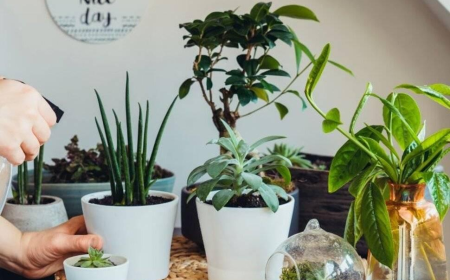
A garden does not need to be large to make a difference. A few containers on a balcony, a collection of herbs near a kitchen window, or a small patch of vegetables can provide opportunities to grow food, care for soil, observe wildlife, and spend meaningful time outdoors. What begins as a simple gardening project can gradually influence everyday habits and encourage greater awareness of natural resources.
Gardening also offers something that goes beyond practical environmental choices: a direct relationship with living things. By tending plants and observing the life around them, people can develop a deeper appreciation for seasonal rhythms and the interconnectedness of nature. These experiences can make sustainability feel personal and approachable rather than complicated or distant.
A sustainable lifestyle does not have to begin with dramatic changes. It can grow through small, consistent choices, and gardening is one enjoyable way to begin. Caring for a plant, composting kitchen scraps, welcoming pollinators, or harvesting something grown at home can all become reminders that everyday actions are connected to the wider natural world.











Comments (0)