

Third-Party Manufacturing for Home Appliances: What Buyers Should Know

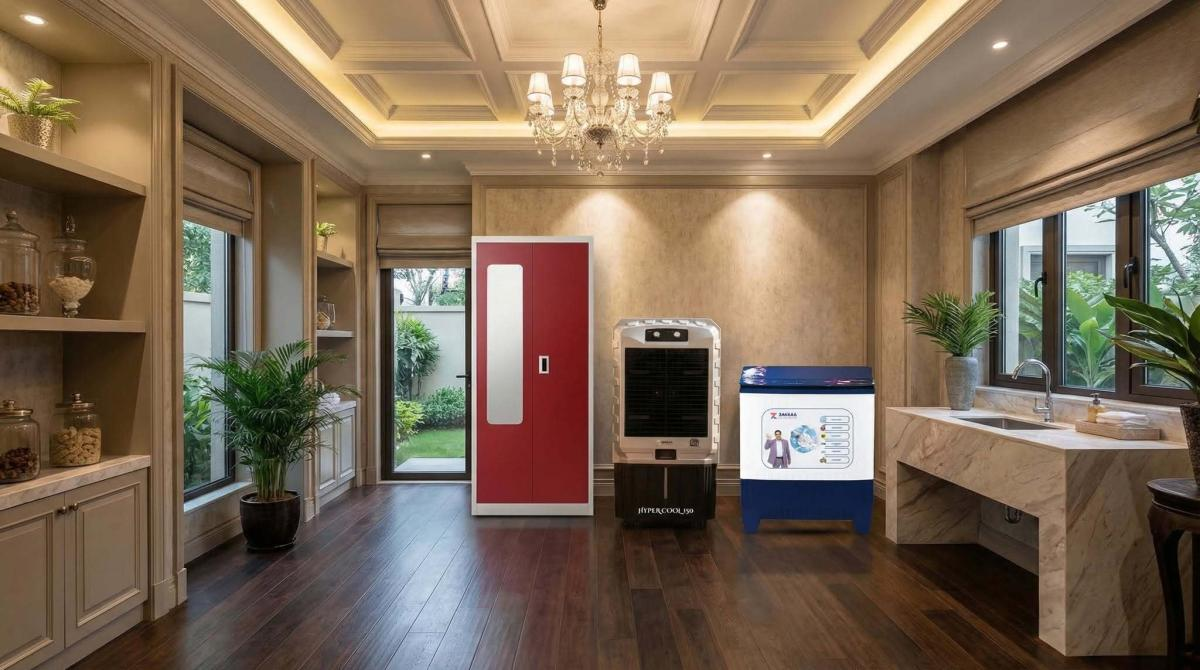
Home appliances look simple on a store shelf but making them is complex. A cooler or a washing machine needs motors and plastic parts and metal bodies and safe wiring that all work together. This is why many brands now choose third-party manufacturing instead of building their own plant. An outside factory produces the goods and you focus on design and sales and service. But appliances carry more risk than simple products because a fault can hurt a customer. This guide explains what buyers should know before they sign with a partner for home appliances.
How Appliance Manufacturing Works
An appliance is a bundle of parts. Plastic housings come from injection moulding. Metal frames and panels come from sheet metal forming and die casting. Motors and pumps and wiring give the product its power. Assembly lines join everything and testing stations check each unit. Contract manufacturing and OEM production and private label supply all fall under this model. In OEM work the factory builds to your drawings. In private label work you pick a ready design and add your name. Knowing which path you want helps you compare suppliers on equal terms.
Safety and Compliance Come First
Electrical products must be safe. Look for ISO 9001 for quality management and BIS marking where Indian standards apply. Ask for copies of certificates and check the number and the validity date. Do not trust a logo alone. Also ask which safety tests the product needs such as insulation checks and earth continuity and load tests. A professional supplier explains these points clearly and shares documents without delay. If a team avoids this topic then treat it as a warning because a failed approval can stop your launch.
Check Real In-House Capability
Some companies are traders and not real factories. They pass your order to small workshops and add a margin. For appliances this is risky because motors and moulded parts need tight control. Ask whether the supplier owns its tool room and runs its own die casting and injection moulding and sheet metal lines. Ask if motors are made in house or bought from outside. Request a machine list with locations and IDs. Zakkaa Home Decor for example shares factory areas and machinery details on its OEM page and this openness makes checking easier for buyers. A visit tells you more than a dozen emails.
Plan for Seasonal Demand
Appliance sales follow the weather. Air coolers sell heavily in summer and slow down fast after it. Heaters and geysers peak in winter. If you order late you may miss the season and be left with stock. Ask about daily output and the number of production lines and how much capacity stays free for your product. Ask for written lead times for the sample stage and the bulk stage. Book your slot months early because good factories fill their calendars fast.
Test Samples Like a Customer
Never approve bulk production without a sample. Test the prototype for fit and finish and strength and performance. For appliances also check motor noise and airflow or wash action and water leakage and heat after long use. Run the unit for hours and not minutes. Look for weak welds and poor paint coverage and loose parts. Test the switch and the cord and the buttons many times. Keep the approved sample as a reference for every batch. Ask how many sample rounds are included in the price.
Quality Control During Production
Good quality is a system and not luck. Ask how the factory checks quality in daily work. Strong answers include incoming material checks and in process inspection and final testing of every unit. Every appliance should pass a power on test before packing. Ask for inspection reports from past orders and find out how defects are recorded and fixed. Many brands also hire an independent inspector before shipment. This small cost can prevent a very large loss.
Pricing and Contract Terms to Settle
Ask for a quote that separates material and tooling and labour and packaging and freight. A low headline price often hides extra charges that appear later. Check the minimum order quantity and payment terms. Confirm who owns the molds and dies after you pay for them because this point causes many disputes. Discuss how price changes will be handled if steel or plastic or copper costs rise. Put delivery dates and warranty terms and spare part supply in writing. Sign a confidentiality agreement to protect your designs and drawings. Never pay a large advance without a written agreement.
Warranty and After-Sales Support
Appliances break sometimes and customers expect a fix. Clarify warranty handling and spare part availability before the order starts. Ask who deals with customer complaints and how long parts will stay available after production ends. Agree on how defective units are replaced or repaired and who pays for it. A supplier that plans for support before the order usually stay reliable after delivery. Notice how fast the team replies and how clearly it explains problems. Ask who will be your main contact and how often you will get production updates.
Red Flags to Avoid
Watch for very low prices with no cost breakdown. Be careful when answers about who actually makes the product are vague. A team that cannot show certificates or past work is risky. Slow replies before the order often become slower replies after it. Refusal of a factory visit is a strong reason to walk away.
Conclusion
Appliances reward careful buyers. Define your product clearly and verify capability and certificates and capacity. Test samples like a customer and compare full costs and read every contract term. When you apply these points to third-party manufacturing you replace guesswork with evidence. Companies such as Zakkaa Home Decor show how openness about machinery and capacity helps buyers judge a supplier with confidence. Take your time and trust evidence over promises. A careful choice today protects your brand and your margin for years to come.















Comments (0)