

What Is Microdermabrasion and How Does It Work?
Do you want your skin to be brighter and healthier? Consider Microdermabrasion in Oman, a popular way to exfoliate your skin for a refreshed complexion!

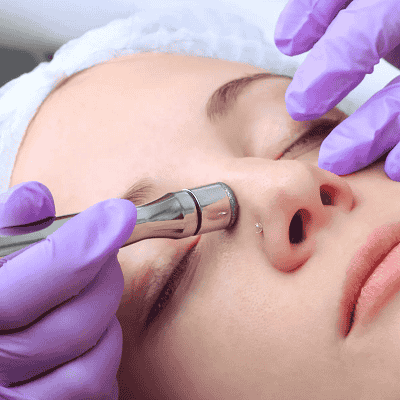
Healthy, smooth, and glowing skin is something many people want to achieve. However, factors such as sun exposure, pollution, ageing, dead skin cell buildup, and everyday environmental stress can gradually affect the skin's appearance. These concerns may lead to dullness, uneven texture, clogged pores, and the appearance of fine lines. Microdermabrasion is a popular non-invasive skincare treatment designed to improve these concerns by gently exfoliating the outermost layer of the skin.
For individuals exploring Microdermabrasion in Oman, understanding how the procedure works, its benefits, and what to expect can help them make informed skincare decisions. This treatment offers a convenient approach to refreshing the skin without surgery or extensive downtime. It is commonly considered by people who want smoother-looking skin, a brighter complexion, and improved overall skin texture.
1. What Is Microdermabrasion?
Microdermabrasion is a non-invasive cosmetic skin treatment that removes dead skin cells from the outermost layer of the skin, known as the stratum corneum. It uses a specialised handheld device to exfoliate the skin's surface, helping reveal the fresher skin underneath.
The procedure generally involves two main techniques: crystal microdermabrasion and diamond-tip microdermabrasion.
-
Crystal microdermabrasion: This technique uses fine crystals that are directed onto the skin to loosen and remove dead skin cells. A vacuum system then collects the crystals and exfoliated particles.
-
Diamond-tip microdermabrasion: This method uses a specialised wand with a diamond-coated tip to gently exfoliate the skin. The device also uses suction to remove dead skin cells and surface debris.
Both techniques aim to improve the appearance and texture of the skin. The appropriate method depends on individual skin characteristics, treatment goals, and professional assessment.
Unlike more intensive resurfacing procedures, microdermabrasion generally focuses on the superficial skin layer. It is commonly used to address mild skin concerns and maintain a smoother, fresher-looking complexion.
2. How Does Microdermabrasion Work?
Microdermabrasion works through controlled mechanical exfoliation. During the procedure, a trained skincare professional moves a specialised device across the skin's surface. The device gently removes accumulated dead skin cells while suction helps collect the exfoliated material.
The treatment usually follows several steps.
Skin cleansing: The skin is first cleansed to remove makeup, oil, sunscreen, and surface impurities. Clean skin allows the treatment device to work more evenly.
Exfoliation: The professional moves the microdermabrasion device across the selected treatment area. The diamond tip or fine crystals gently exfoliate the outermost skin layer.
Removal of dead skin cells: The device's suction mechanism helps remove loosened skin cells and surface debris. This process leaves the skin feeling cleaner and smoother.
Post-treatment care: Once exfoliation is complete, soothing skincare products and moisturisers may be applied. Sunscreen is also important because freshly exfoliated skin requires protection from ultraviolet exposure.
The procedure generally takes around 20 to 40 minutes, depending on the treatment area and individual requirements. Many people describe the sensation as a mild scratching or vibrating feeling.
One of the main advantages of microdermabrasion is that it does not usually require anaesthesia or significant recovery time. Some individuals may notice temporary redness or sensitivity immediately after treatment, but these effects generally settle within a short period.
3. What Skin Concerns Can Microdermabrasion Improve?
Microdermabrasion is primarily designed to improve superficial skin concerns. By removing accumulated dead skin cells, it can help create a smoother surface and improve the overall appearance of the complexion.
Some common concerns that may benefit from this treatment include:
Dull and tired-looking skin: Dead skin cell buildup can make the complexion appear uneven and lacklustre. Exfoliation helps remove this buildup, allowing the skin to look brighter and fresher.
Uneven skin texture: Roughness and minor surface irregularities can affect how smooth the skin feels. Microdermabrasion helps refine the outer skin layer and improve its texture.
Mild pigmentation and dark spots: Some superficial pigmentation concerns, including mild sun-related spots, may become less noticeable with repeated treatments. However, deeper pigmentation conditions may require alternative treatments.
Fine lines: Microdermabrasion may soften the appearance of very fine superficial lines by improving the skin's surface texture. It is not a replacement for treatments that target deeper wrinkles.
Clogged pores: The exfoliation process helps remove dead skin cells and surface debris that can contribute to clogged pores. This may make the skin appear cleaner and smoother.
Mild acne-related concerns: Certain individuals with non-inflamed acne and superficial post-acne marks may benefit from professional exfoliation. However, microdermabrasion is generally not recommended over active, inflamed acne lesions.
It is important to understand that results vary according to skin type, the condition being treated, and the number of sessions completed. Microdermabrasion is most effective for surface-level concerns rather than deep scars, pronounced wrinkles, or significant skin damage.
4. What Are the Main Benefits of Microdermabrasion?
Microdermabrasion offers several advantages for individuals looking for a gentle skin-refreshing procedure.
Improves skin smoothness: Removing accumulated dead skin cells helps create a softer and more refined skin surface.
Promotes a brighter appearance: Exfoliation can reduce the dull appearance associated with dead skin cell buildup, helping the complexion look more radiant.
Supports better skincare absorption: Removing excess dead skin cells may help certain topical skincare products spread more evenly across the skin. It is still important to use suitable products recommended for the individual's skin type.
Minimal downtime: Most people can return to their usual daily activities shortly after treatment. Mild redness, dryness, or temporary sensitivity may occur.
Non-invasive approach: The procedure does not involve surgical incisions or needles, making it an option for people interested in superficial skin rejuvenation.
Suitable for different treatment areas: Microdermabrasion is commonly performed on the face and may also be used on areas such as the neck, chest, and hands when appropriate.
Customisable treatment: The intensity and technique can be adjusted according to skin sensitivity, treatment goals, and professional assessment.
Although these benefits make microdermabrasion appealing, it is not a permanent solution for every skin concern. Consistent skincare, sun protection, and appropriate treatment planning remain important for maintaining results.
5. Who Is a Suitable Candidate for Microdermabrasion?
Microdermabrasion may be suitable for individuals who want to improve mild surface-level skin concerns without undergoing an intensive cosmetic procedure.
People who may consider this treatment include those experiencing:
-
Dull or uneven-looking skin.
-
Mild roughness and uneven texture.
-
Superficial sun-related spots.
-
Minor signs of ageing.
-
Dead skin cell accumulation.
-
Mild congestion and clogged pores.
-
A desire for smoother and brighter-looking skin.
However, not everyone is an ideal candidate. Individuals with active acne breakouts, rosacea flare-ups, eczema, psoriasis, open wounds, skin infections, or significant skin irritation may need to avoid the procedure.
People with very sensitive skin or certain pigmentation conditions should also receive an appropriate assessment before treatment. Microdermabrasion may aggravate irritation or contribute to pigmentation changes in susceptible individuals, particularly when performed too aggressively.
Individuals who have recently undergone chemical peels, laser procedures, or other intensive skin treatments should discuss the appropriate waiting period with a qualified professional.
A personalised skin assessment helps determine whether microdermabrasion is suitable or whether another skincare option would be more appropriate.
6. What Should Someone Expect Before and After Microdermabrasion?
Preparing the skin properly and following aftercare instructions are important parts of achieving satisfactory results.
Before the treatment
A professional assessment should take place before the procedure. The skin's condition, sensitivity, medical history, and existing skincare routine may all influence treatment suitability.
Some general preparation recommendations include:
-
Avoid excessive sun exposure before treatment.
-
Inform the professional about existing skin conditions.
-
Discuss recent chemical peels, laser treatments, or other cosmetic procedures.
-
Follow advice regarding retinoids and exfoliating skincare products.
-
Arrive with clean skin and avoid applying heavy makeup.
After the treatment
The skin may appear slightly pink or feel sensitive immediately following the procedure. This is generally temporary.
Appropriate aftercare can help support the skin barrier and reduce irritation.
-
Apply a gentle, fragrance-free moisturiser.
-
Use broad-spectrum sunscreen with SPF 30 or higher.
-
Avoid direct and excessive sun exposure.
-
Avoid harsh scrubs and exfoliating acids until the skin has recovered.
-
Follow professional recommendations regarding retinoids and other active ingredients.
-
Avoid picking, rubbing, or scratching the treated area.
-
Use gentle cleansers rather than aggressive skincare products.
In Oman, sun protection deserves particular attention because strong sunlight and high temperatures can increase the risk of UV-related skin damage. Daily sunscreen use, protective clothing, and limiting prolonged sun exposure can help maintain skin health after exfoliation.
How many sessions are needed?
Some individuals notice a temporary improvement in skin smoothness and brightness after one session. However, people seeking more noticeable improvements in texture or superficial pigmentation may require a series of treatments.
The number of sessions depends on the skin's condition, treatment goals, and response to exfoliation. Sessions are commonly spaced several weeks apart to allow the skin to recover. A personalised treatment schedule should always be determined through professional assessment.
Are there any side effects?
Microdermabrasion is generally well tolerated when performed appropriately, but temporary side effects can occur.
These may include:
-
Mild redness.
-
Temporary skin sensitivity.
-
Dryness or tightness.
-
Slight swelling.
-
Minor bruising in some cases.
-
Increased sensitivity to sunlight.
Overly aggressive treatment may cause irritation, skin barrier damage, or pigmentation changes. Anyone experiencing persistent discomfort, blistering, or worsening inflammation should seek medical advice.
Frequently Asked Questions About Microdermabrasion
1. Is microdermabrasion painful?
Microdermabrasion is generally not considered painful. Most people experience a mild scratching, suction, or vibrating sensation during the procedure. Temporary redness or sensitivity may occur afterward, but significant discomfort is not expected.
2. How long does a microdermabrasion session take?
A typical session takes approximately 20 to 40 minutes, depending on the size of the treatment area and the technique used. Additional time may be required for skin cleansing, assessment, and post-treatment skincare.
3. How soon can results be noticed after microdermabrasion?
Some individuals notice smoother and brighter-looking skin shortly after their first session. However, improvements in concerns such as superficial pigmentation and uneven texture may require multiple sessions. Results vary from person to person.
4. Is microdermabrasion suitable for sensitive skin?
People with sensitive skin may not always be suitable candidates. The procedure can cause temporary irritation or worsen existing sensitivity. A professional assessment is important to determine whether the treatment can be performed safely and whether a gentler alternative is preferable.
5. Can microdermabrasion help with acne scars?
Microdermabrasion may improve mild superficial post-acne marks and uneven skin texture. However, it generally does not provide significant improvement for deep, pitted, or raised acne scars. Other resurfacing treatments may be more appropriate for these concerns.
6. How often should someone undergo microdermabrasion?
The recommended frequency depends on skin sensitivity, treatment goals, and recovery. Sessions are often scheduled several weeks apart rather than performed too frequently. A qualified professional can recommend an appropriate schedule after evaluating the skin.
Conclusion
Microdermabrasion is a non-invasive exfoliation treatment that helps remove dead skin cells, improve surface texture, and promote a brighter-looking complexion. It can be a useful option for individuals experiencing dullness, mild unevenness, superficial pigmentation, and rough skin texture.
Understanding how the procedure works, who may benefit from it, and what aftercare involves can help individuals make informed decisions about their skincare routine. Although the treatment offers several advantages, realistic expectations are essential because it primarily addresses superficial skin concerns rather than deeper scars or advanced signs of ageing.
For anyone considering microdermabrasion, a professional skin assessment is an important first step. Choosing an appropriate treatment approach, following aftercare instructions, and maintaining consistent sun protection can help support healthier-looking skin over time.
Read More About Microdermabrasion: https://bsocialone.com/blogs/7190/Can-Skin-Booster-Injections-Help-With-Aging-Skin

















Comments (0)