

Growing Through Every Stage: Supporting Children's and Teenagers' Emotional Well-Being
Understand child and adolescent mental health, recognize emotional and behavioral changes, and learn how professional support can help young people thrive.
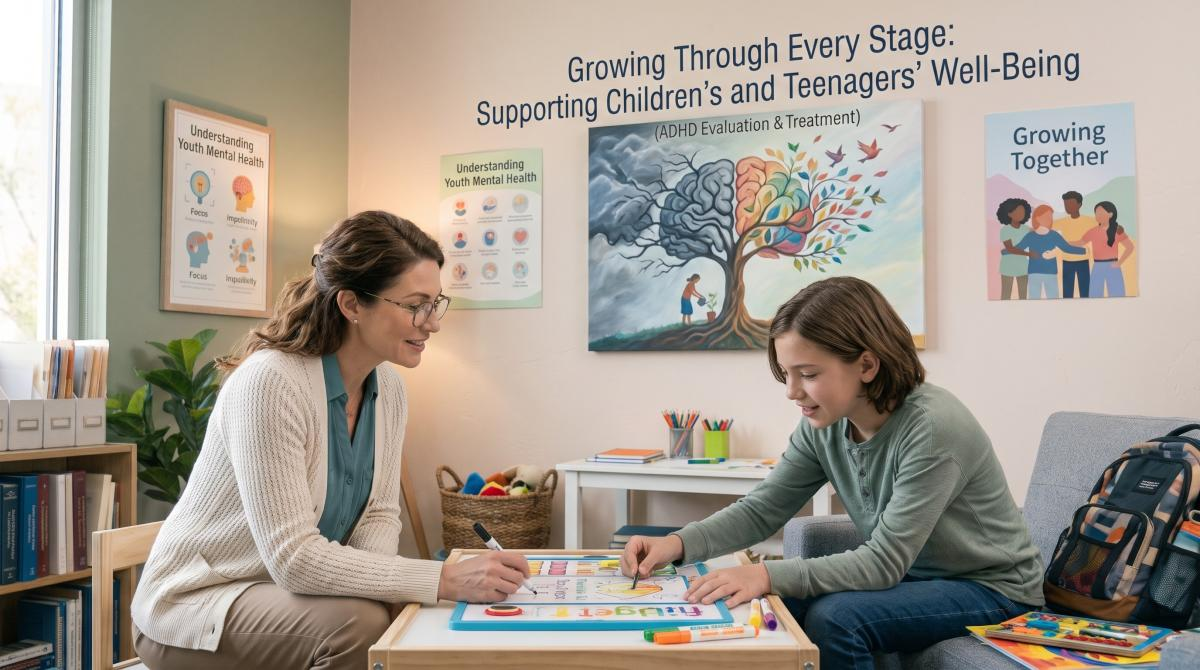
Growing up involves much more than getting taller, learning new skills, or becoming more independent. Children and teenagers also experience important emotional and psychological changes that influence how they understand themselves and the world around them.
During childhood, young people begin developing communication skills, managing emotions, building friendships, and responding to new experiences. As they enter adolescence, academic expectations, social relationships, personal identity, and increasing independence can bring additional challenges.
Not every emotional struggle is easy to recognize. A child who becomes unusually quiet may be experiencing something they cannot explain. A teenager who frequently becomes frustrated may be dealing with pressures they find difficult to communicate.
Understanding these changes is an important part of supporting child and adolescent mental health.
Understanding Mental Health at Different Stages of Growing Up
Children and teenagers do not experience emotional challenges in exactly the same way. Their developmental stages, surroundings, and personal experiences can influence how they express their feelings.
Early Childhood: Younger children may struggle to communicate complicated emotions. Changes in behavior, frequent distress, separation difficulties, or challenges interacting with others may deserve attention when they persist.
School-Age Children: School responsibilities, friendships, learning experiences, and family changes can influence a child's emotional well-being. Some children may become withdrawn, unusually worried, or frustrated more frequently.
Adolescence: Teenagers experience significant social and emotional changes. Academic pressure, peer relationships, identity development, and expectations about the future can sometimes contribute to emotional distress.
Understanding a young person's age and developmental needs helps families and professionals approach concerns with greater care.
Common Mental Health Concerns in Children and Teenagers
Mental health difficulties can affect young people in several ways. Some concerns may appear through emotions, while others become noticeable through behavior, school performance, or social interactions.
Common areas of concern include:
Anxiety: Some children and teenagers experience excessive worry, fear, nervousness, or difficulty managing situations that involve uncertainty.
Depression and Persistent Low Mood: Ongoing sadness, loss of interest, low energy, or withdrawing from enjoyable activities may indicate a need for further assessment.
ADHD-Related Difficulties: Challenges with attention, organization, impulsivity, or hyperactivity may affect learning and everyday responsibilities.
Mood and Behavioral Changes: Frequent irritability, emotional outbursts, or noticeable changes in usual behavior may deserve attention when they become persistent or disruptive.
Social and Emotional Difficulties: Some young people struggle with friendships, communication, confidence, or expressing their feelings.
Sleep-Related Concerns: Changes in sleeping patterns, difficulty falling asleep, or ongoing sleep disruption may affect emotional health and daily functioning.
These signs do not automatically confirm a mental health condition. A qualified professional can consider the child's development, experiences, symptoms, and overall circumstances before recommending appropriate next steps.
What Can Influence a Young Person's Emotional Health?
A child's emotional well-being is shaped by many parts of their environment and personal experiences. Sometimes, several factors contribute to difficulties at the same time.
Some possible influences include:
-
School Pressure: Academic expectations, examinations, learning difficulties, and concerns about performance can create stress.
-
Family Changes: Separation, conflict, relocation, loss, or changes in family routines may affect a child's sense of security.
-
Peer Relationships: Bullying, social exclusion, friendship difficulties, and pressure to fit in can influence confidence and emotional health.
-
Digital and Social Media Experiences: Online comparisons, negative interactions, and excessive screen time may contribute to stress for some young people.
-
Developmental Differences: Individual differences in learning, attention, communication, and emotional regulation may create challenges that require understanding and support.
Listening without immediately judging or correcting a young person's feelings can help parents better understand what may be happening.
Warning Signs Parents and Caregivers Should Notice
Children do not always have the words to explain emotional difficulties. Instead, they may communicate through changes in their routines, behavior, or relationships.
Parents and caregivers may want to pay attention to:
-
Becoming unusually withdrawn or avoiding social activities.
-
Frequent emotional outbursts or increased irritability.
-
Noticeable changes in appetite or sleep.
-
Losing interest in hobbies and activities.
-
Persistent worry or fear.
-
Difficulty concentrating or completing schoolwork.
-
Regular complaints of physical discomfort without a clear explanation.
-
Sudden changes in friendships or everyday behavior.
One difficult day does not necessarily indicate a serious concern. However, when changes continue, become more intense, or interfere with a child's everyday life, professional guidance may be helpful.
If a child or teenager talks about suicide or self-harm, take the concern seriously and seek immediate professional or emergency support.
How Families Can Encourage Healthy Emotional Development
Parents and caregivers play an important role in creating an environment where children feel comfortable discussing their experiences.
Small everyday actions can make communication easier.
Listen Without Judgment: Allow children to explain their feelings without making them feel embarrassed or misunderstood.
Create Consistent Routines: Predictable schedules for sleep, school, meals, and relaxation can provide a sense of stability.
Encourage Open Conversations: Ask gentle questions about friendships, school experiences, and emotional changes.
Recognize Individual Differences: Every child develops at a different pace. Comparing children with siblings or classmates may create unnecessary pressure.
Take Concerns Seriously: Avoid dismissing persistent emotional difficulties as simply bad behavior or a passing phase.
Family support is valuable, but it does not replace
when a young person needs additional help.
The Role of Professional Mental Health Care
When emotional or behavioral difficulties begin affecting a child's daily life, a professional evaluation can help families understand their concerns more clearly.
Mental health care for children and adolescents should consider developmental stages, family circumstances, personal history, and individual needs.
Depending on the professional assessment, support may include:
Psychiatric Evaluation: An evaluation can help explore emotional, behavioral, and developmental concerns and identify whether further assessment is needed.
Psychotherapy: Age-appropriate therapeutic approaches may help young people understand emotions, improve coping skills, and communicate their experiences.
Medication Management: When clinically appropriate, medication may be considered as part of an individualized treatment plan, with suitable monitoring and follow-up.
Family Involvement: When appropriate, family participation can help caregivers understand a young person's needs and support progress at home.
The goal is not to label a child based on temporary behavior. It is to understand their experiences and explore suitable ways to support their well-being.
Discover Mental Health Support at RCF Pathways to Wellness
Every child and teenager deserves to feel heard, understood, and supported. When families notice emotional or behavioral changes, learning about professional mental health care can be a meaningful step.
At RCF Pathways to Wellness, individuals and families can explore mental health services based on their concerns and circumstances.
Visit our Provider page to learn more about our provider, explore our Services to understand available care options, and read our About Us page to learn more about our practice.
If you have concerns about a child's emotional well-being, contact the practice to ask about appropriate services and appointment options.
Conclusion: Help Young Minds Build a Healthier Future
Childhood and adolescence are important stages of emotional and psychological development. While occasional worries, frustrations, and behavioral changes are part of growing up, persistent difficulties should not be overlooked.
Parents and caregivers can make a difference by listening, offering reassurance, recognizing changes, and seeking professional guidance when needed.
Supporting a young person's mental health is not about expecting them to be happy all the time. It is about helping them feel understood, develop healthy ways to manage emotions, and receive appropriate support as they grow.
Concerned about your child's emotional well-being? Connect with RCF Pathways to Wellness to explore available mental health care options.
Book Appointment – RCF Pathways to Wellness
Frequently Asked Questions (FAQs)
1. What is child and adolescent mental health?
Child and adolescent mental health refers to the emotional, psychological, and social well-being of young people. It influences how they learn, communicate, manage emotions, develop relationships, and respond to everyday experiences.
2. What are common signs of mental health concerns in children?
Possible signs include persistent sadness, frequent worry, behavioral changes, social withdrawal, sleep difficulties, and challenges with concentration. Persistent changes may benefit from professional evaluation.
3. Can teenagers experience anxiety and depression?
Yes. Teenagers can experience anxiety, depression, and other mental health concerns. Changes in mood, social relationships, academic performance, or daily activities may indicate a need for additional support.
4. When should parents seek professional mental health support for their child?
Parents should consider professional guidance when emotional or behavioral changes persist, become more intense, or interfere with school, friendships, family relationships, or everyday activities.
5. Can psychotherapy help children and teenagers?
Age-appropriate psychotherapy may help young people understand their emotions, develop coping strategies, improve communication, and work through difficult experiences.
6. Does every child with behavioral difficulties need medication?
No. Medication is not necessary for every child experiencing behavioral or emotional difficulties. Treatment decisions depend on a professional assessment and the child's individual needs.
7. How can parents support their child's mental health at home?
Parents can encourage open communication, maintain healthy routines, listen without judgment, provide emotional reassurance, and seek professional guidance when concerns continue.
8. Can school difficulties be connected to mental health?
Yes. Emotional distress, attention difficulties, anxiety, sleep problems, and other concerns may affect concentration, motivation, and academic performance. A professional can help explore possible contributing factors.

RCF Pathways to Wellness provides personalized psychiatric care, including Comprehensive Psychiatric Evaluations, Medication Management, Psychotherapy, ADHD Evaluation & Treatment, and Anxiety & Depression Treatment. We support children, adolescents, and adults with mood, behavioral, trauma, stress, and sleep-related mental health concerns through telepsychiatry and in-person visits in Bonita Springs, Florida.






Comments (0)