

Which Small Animal Waste Incinerator Is Best for Farms?

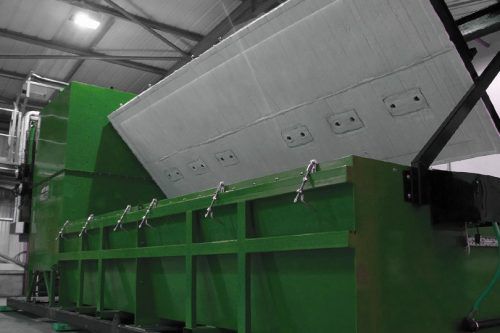
Managing animal waste is an important responsibility for farms, poultry facilities, and livestock operations. Improper disposal of dead animals and poultry waste can create unpleasant odors, attract pests, and increase health risks. A small animal waste incinerator provides a practical waste treatment solution by reducing organic waste through controlled combustion. Choosing suitable equipment depends on waste quantity, operating requirements, safety features, and environmental considerations.
What Is a Small Animal Waste Incinerator?
A small animal waste incinerator is a specialized waste treatment system designed to process animal carcasses and other permitted biological waste materials. It uses controlled high temperature combustion to reduce waste volume and produce residual ash. These systems are suitable for farms, veterinary facilities, and small livestock operations requiring an organized animal waste disposal solution.
Importance of Animal Waste Management on Farms
Proper animal waste management helps maintain cleanliness and hygiene across agricultural facilities. Dead poultry, livestock remains, and other biological waste can attract insects and scavenging animals when left untreated. Using an appropriate disposal system helps reduce waste accumulation, control unpleasant odors, and support better farm hygiene while protecting workers, animals, and surrounding environments.
Why Choose a Poultry Waste Incinerator?
A poultry waste incinerator is designed to handle poultry carcasses and other suitable poultry related biological waste generated by farms. It provides a convenient treatment option for poultry farms experiencing regular waste generation. Controlled combustion reduces waste volume and helps manage carcass disposal, making it useful for maintaining cleaner poultry housing and operational areas.
Essential Features of the Best Small Animal Waste Incinerator
The best small animal waste incinerator should offer suitable loading capacity, durable construction, reliable combustion control, and convenient operation. Insulated combustion chambers help maintain operating temperatures, while monitoring systems support controlled performance. The equipment should also include appropriate emission treatment technology and safety mechanisms to support responsible animal waste processing.
Factors to Consider Before Selecting an Incinerator
Before purchasing an animal waste incinerator, farms should evaluate daily waste generation, carcass size, fuel availability, installation requirements, and operating expenses. Selecting the correct capacity helps avoid unnecessary fuel consumption and operational difficulties. Buyers should also review maintenance requirements, emission controls, applicable environmental permissions, and local waste disposal regulations.
Benefits of Using a Poultry Waste Incinerator
A poultry waste incinerator helps farms manage suitable biological waste more systematically. It reduces the volume of carcass waste and minimizes the need to store untreated remains for extended periods. Properly designed equipment also supports improved farm sanitation, reduces handling requirements, and provides a practical waste treatment option for poultry operations.
Maintenance and Operational Safety
Regular inspection and maintenance are necessary for reliable incinerator performance. Operators should follow manufacturer instructions for loading, temperature monitoring, cleaning, and servicing. Proper training, protective equipment, and safe handling procedures are equally important. Farms should ensure that combustion gases receive appropriate treatment and that ash is disposed of according to applicable regulations.
Applications of Small Animal Waste Incinerators
These incinerators are useful in poultry farms, livestock facilities, veterinary clinics, animal shelters, and agricultural research centers. Depending on equipment specifications and regulatory permissions, they can process different types of animal biological waste. Their compact designs make selected models suitable for operations that require localized treatment rather than large centralized facilities.
Conclusion
Choosing the right small animal waste incinerator helps farms manage animal carcasses safely and efficiently. A suitable poultry waste incinerator reduces waste volume and supports better farm hygiene. Capacity, combustion performance, emission controls, maintenance, and regulatory compliance should guide selection for responsible agricultural waste management.















Comments (0)