

When Skills Matter More Than Degrees: Rethinking Education for the Future
Look at the growing gap between traditional degree-based education and the demand for skilled workers such as electricians, plumbers, carpenters, technicians and other tradespeople. It argues for a greater recognition of practical and vocational skills and the importance of both academic and practical skills for the future of education.

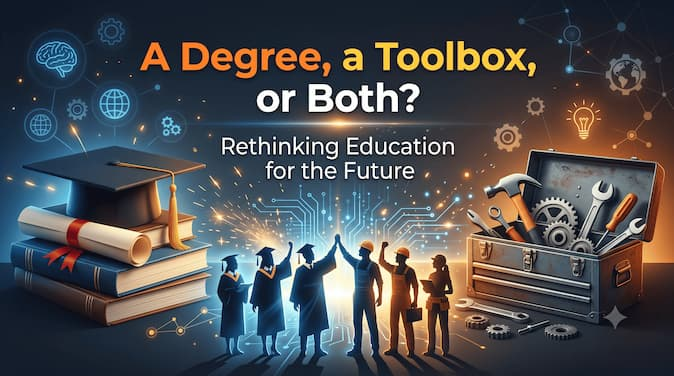
A Degree Does Not Guarantee a Job
For many years, students have believed that earning a college degree is the key to a successful career. While higher education provides valuable knowledge, a degree alone does not always guarantee employment. Employers also look for practical skills, experience, communication, and problem-solving abilities.
At the same time, many industries face a shortage of skilled workers, including electricians, plumbers, carpenters, technicians, and other tradespeople. This raises an important question: are we giving equal value to academic knowledge and practical skills?
The Skills We Often Overlook
Skilled tradespeople play an important role in everyday life. From building homes to maintaining electrical systems, their work requires training, experience, and technical knowledge.
However, these careers are sometimes overlooked because society often considers traditional office jobs more desirable. This mindset can prevent students from exploring career paths that match their interests and abilities.
Why Skill-Based Education Matters
Skill-based education helps students apply what they learn in real-world situations. It can include technical training, internships, workshops, apprenticeships, and industry projects.
These learning opportunities help students understand workplace expectations and develop confidence. Vocational education also allows students to explore different career options beyond traditional degree-based pathways.
The Future Needs Both a Degree and a Toolbox
The future of education should not be about choosing between a degree and practical skills. Instead, students should have opportunities to develop both.
A modern student's career toolbox can include:
-
Academic knowledge and qualifications
-
Technical and practical skills
-
Communication and teamwork
-
Problem-solving and critical thinking
-
Industry experience and adaptability
Combining these abilities can help students prepare for changing job requirements and explore a wider range of career opportunities.
Changing Our Definition of Career Success
Success should not be measured only by job titles, degrees, or salaries. It should also reflect a person's skills, contribution, growth, and satisfaction.
Students should feel encouraged to choose careers based on their interests, strengths, and goals. Educational institutions, families, and employers all have a role in helping young people understand the value of different career paths.
Build Your Future With the Right Education
At Rathinam Group of Institutions, education goes beyond earning a degree. Opportunities to develop knowledge, build practical skills, and gain real-world exposure can help students prepare for their future careers.
Whether your goal is higher education, industry employment, entrepreneurship, or a specialized profession, choosing the right learning environment is an important first step.
Explore the academic opportunities at Rathinam Group of Institutions and take the next step toward building a future with knowledge, skills, and experience.














Comments (0)