

What Are the Differences Between Norway, Sweden, Denmark and Finland
The region of Northern Europe comprises four unique countries namely Norway, Sweden, Denmark, and Finland.

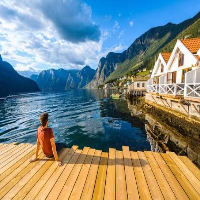
What Are the Differences Between Norway, Sweden, Denmark and Finland? A Complete Scandinavian Travel Guide
The region of Northern Europe comprises four unique countries namely Norway, Sweden, Denmark, and Finland. Even though there are certain commonalities among them in terms of history, lifestyle, landscapes, and well-developed welfare system, they have different cultures, languages, traditions, and tourist attraction places. From Norwegian fjords to Swedish cities, Danish seaside resorts, and Finnish forests, these countries provide tourists and those who are interested in Europe with unique experiences. The knowledge about the characteristics of these countries will assist travelers in planning the destination of choice as well as exploring the destination properly.
While planning the international vacation, one should take into consideration a variety of factors such as means of transport, place to stay, sightseeing spots, and connection to departure airports. In case you start your trip from Scotland, you should think about the use of Glasgow Taxi to get to the airport and then travel to Northern Europe. When you make all these arrangements, it becomes easy to compare these four countries as each of them has something unique to offer in terms of nature, urbanism, food, and traditions.
1. Norway: Famous for Fjords, Mountains, and Outdoor Adventures
Norway is renowned for its stunning natural landscape. Fjords, mountains, waterfalls, and pretty fishing towns give Norway the reputation of being one of the best countries in Europe to visit for nature. Well-known destinations include Bergen, Oslo, Tromsø, and the Lofoten Islands.
The geography of the region has a strong effect on life and tourism. Activities include hiking in summer, watching the northern lights where possible, and boat trips around the coastline. There are also options such as skiing available in the winter months.
The languages used in Norway are Norwegian and English, but Norwegian is the official language. Norway does not use the euro currency; instead, it uses the Norwegian krone. Norway is considered to be an expensive country in terms of costs for hotels, restaurants, and transport. However, Norway's amazing landscape and outdoor activities make it an excellent place to visit.
2. Sweden: Modern Cities, Design, and Cultural Heritage
Combining modern cities with historical towns, the land features also forests, lakes, and thousands of islands. The capital of Sweden is Stockholm, an island city with amazing waterfront views, museums, historical Gamla Stan, and modern architectural sights.
The other attractions of the country include the cities of Gothenburg, Malmö, and Swedish Lapland in the north. Visitors will enjoy visiting innovative restaurants, Swedish cafes, design stores, and outdoor areas.
Internationally, Sweden is famous for its innovations in the field of music, technology, fashion, and sustainable living. The primary language of Sweden is Swedish, but English is widely used there. Sweden's currency is Swedish Krona, not the Euro.
In comparison with Norway, some prices in Sweden might be somewhat cheaper, but it depends on the city, season, and activities. One unique cultural characteristic of Sweden is called fika, which involves a break for drinking coffee and eating something sweet.
3. Denmark: Charming Towns, Cycling, and Hygge
Whereas Norway boasts of its scenic mountains and Sweden its forests, Denmark presents a very different ambiance. It has relatively low-lying land, islands, beaches, and nice coastal towns. Some of its attractions include Copenhagen, the capital city with its well-known cycling tradition, colorful Nyhavn, historical buildings, and modern Scandinavian designs.
Other destinations that can be visited include Aarhus, Odense, and the coastal countryside. The country is suitable for people who are fond of architecture, cuisine, cycling, museums, and relaxing cities. Denmark's small geographical size makes it easy to visit multiple destinations; however, time taken will depend on the route to be used.
The official language of Denmark is Danish; English is widely spoken. Though the country is a member of the European Union, it does not use the Euro currency but uses Danish krone. One of the cultural concepts that exist in Denmark is hygge.
This refers to warmth, comfort, and coziness experienced when spending time with one's family and friends or having a good meal in a cozy home setting.
4. Finland: Lakes, Saunas, and the Northern Lights
Finland can be differentiated from the other three Scandinavian countries by its unique language, culture, and affinity towards forests and lakes. Known as the Country of a Thousand Lakes, Finland actually has many more lakes along with the dense forest areas and picturesque countryside.
The capital Helsinki boasts of a variety of contemporary buildings, seashore markets, museums, and delicious Finnish cuisine and designs. Going up north, Finnish Lapland appeals to tourists who love snow landscapes and winter activities such as reindeers and northern lights.
Finnish and Swedish are the two national languages of Finland. While Finnish is a member of the Uralic language group, it differs in terms of language family from Norwegian, Swedish, and Danish, which belong to the North Germanic language group. In contrast to the other three countries, Finland has adopted the euro currency.
Sauna culture forms an important part of Finnish culture. Saunas offer relaxation and a chance to connect socially, and many Finnish houses and buildings have saunas. Finland is thus a great destination for tourists looking for serenity and nature.
5. Comparing Transport and Travel Experiences Across the Nordic Region
Traveling between these nations would be enjoyable because of the geographical proximity of the countries making regional trips feasible. There are flights, trains, ferries, and bus services linking the main cities, although the best mode of transport will depend on factors like distance, season, cost, and availability.
It could prove helpful for people traveling out of Scotland to book Glasgow Chauffeur Hire when planning comfortable transportation to the airport. Where the journey includes more than one nation, it would be wise to plan the airport transfers, baggage allowances, and enough time for connecting flights.
Due to Norway's rugged landscape, some road trips are likely to take more time than anticipated. Rail services link the major cities in Sweden; whereas bridges, trains, and ferries serve to connect various regions in Denmark. In Finland, rail services connect the major cities, while domestic air travel could be convenient when covering long distances.
Prior to traveling to these nations, it would help to check passport requirements, visa procedures, transport services, and weather conditions during the season. Even though the four countries belong to the same Nordic region, their transport systems differ.
6. Key Differences in Language, Currency, and Lifestyle
Despite being alike, there are some differences between these places that need to be noted.
Norway – Norwegian language, Norwegian krone, fjords and mountains.
Sweden – Swedish language, Swedish krona, unique design, forests and cities.
Denmark – Danish language, Danish krone, cyclist-friendly cities and coastal villages.
Finland – Finnish and Swedish as national languages, euro, lakes, forests and saunas.
Living standards, social welfare and environmentally friendly approach can be considered fairly high in all these countries. However, there are some differences related to the cost of living, taxation, healthcare and so on. Tourists need to understand that these countries are not identical in their rules and policies.
Weather differs depending on the place, for example, coastal Norway may have a lot of precipitation whereas some parts of Sweden and Finland have colder weather in winter because of being inland. The climate in Denmark is more or less maritime with relatively mild winter.
Also read: Can You Claim Benefits After Living Abroad and Moving Back to Britain
7. Which Nordic Country Should You Visit First?
Which destination to choose will depend upon what you are looking forward to experience in your holiday.
Norway will be ideal for you if you would like to enjoy cruises along the fiords, hiking in the mountains, and breathtaking coastal landscapes. Sweden might be right for you if you are interested in visiting beautiful cities, museums, doing some shopping and enjoying both modern and outdoors activities. Denmark would be perfect if you are looking for cycling, architecture, cuisine and relaxation in cities. Finland would be great if you are looking for quiet lakeside places, traditional Finnish saunas and adventures during winter. If you have enough time on your hands, you can even combine two or more countries during your travel.
Conclusion: Four Countries, Four Distinctive Experiences
Norway, Sweden, Denmark, and Finland are united by many features typical for the Nordic countries, such as stunning nature, well-established public infrastructure, and vibrant cultures. Still, all of these countries have something that makes them distinct from one another. Norway is distinguished by its fjords; Sweden is famous for its design and various landscapes; Denmark is known for the bicycle lifestyle; Finland is characterized by its lakes, saunas, and distinctive language.
Analyzing the differences in terms of tourism facilities, climate conditions, currency, language, and transportation means, you can make your choice in favor of the most attractive and suitable country.













Comments (0)