

Viking Style Clothing for Beginners: What Should You Buy First?

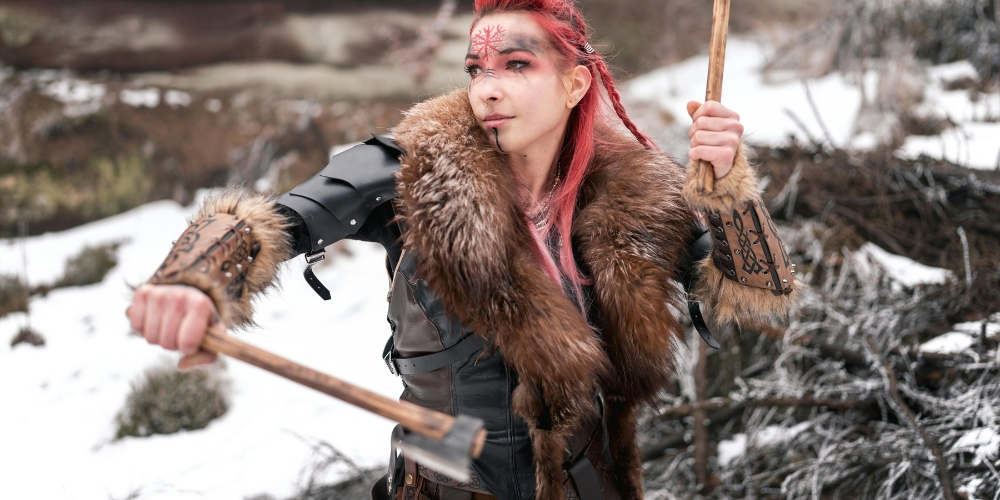
Viking style clothing is a great choice for people who enjoy historical fashion, Norse-inspired designs, and alternative clothing. This style takes inspiration from the clothing worn during the Viking Age and combines simple shapes, natural fabrics, earthy colours, and distinctive accessories. Today, it can be worn at festivals, themed events, outdoor gatherings, or as part of an everyday alternative wardrobe.
If you are new to this style, deciding what to buy first can be challenging. There are many options, including tunics, loose trousers, leather belts, boots, cloaks, and jewellery inspired by Norse designs. Buying everything at once is not necessary. A few well-chosen pieces can help you create a complete outfit without spending too much.
The best way to begin is to focus on comfortable clothing that is easy to combine. You can then add accessories and extra layers as your style develops. This guide explains which items are worth considering first and how to build a Viking-inspired wardrobe that suits your needs.
1. Begin with a Comfortable Tunic
A tunic is one of the most useful starting points for a Viking-inspired outfit. It has a simple shape, offers plenty of room for movement, and can be worn on its own or layered with other clothing.
For your first purchase, choose a tunic in a colour that matches several items you already own. Brown, black, charcoal, beige, and dark green are practical options. These shades work well together and make it easier to create different outfits from a small collection of clothes.
Fabric is another important consideration. Cotton and linen are comfortable choices for everyday wear, especially in warmer weather. For colder conditions, you might prefer a heavier fabric or a tunic that can be worn over a long-sleeved shirt.
Pay attention to the fit around your shoulders, chest, and arms. A relaxed shape creates the traditional look associated with Viking-inspired fashion, but the garment should still feel comfortable and allow you to move freely.
You can wear a tunic with loose trousers and boots for a simple outfit. Adding a belt or pendant creates more detail without making the look too complicated.
2. Choose Trousers That Offer Comfort and Style
The right trousers help balance the shape of a tunic and complete the overall outfit. Viking-inspired clothing often uses relaxed silhouettes rather than tight-fitting designs, making loose trousers a popular option.
If you are starting your wardrobe, look for trousers in black, brown, grey, or olive green. These colours are easy to match with different tunics and outer layers. Simple trousers are especially useful because they can be worn with several combinations instead of just one outfit.
Some people prefer straight-cut trousers, while others enjoy wider styles with gathered fabric around the waist or ankles. Harem-style trousers can also work well for a modern alternative look, although they should not be treated as an exact representation of historical Viking clothing.
Before buying, check the waistband, leg width, and fabric. Your trousers should provide enough room for walking, sitting, and other everyday activities. If you plan to wear them at outdoor festivals, breathable material may be more comfortable in warm weather.
Starting with one versatile pair is usually enough. Once you know which shapes and fabrics you prefer, you can add another style to create more variety.
3. Add a Belt to Bring the Outfit Together
A belt is a simple accessory that can make a noticeable difference to your outfit. Wearing one over a tunic adds shape to the clothing and gives the overall look a more structured appearance.
A black or brown leather belt is a practical first choice. It works well with neutral-coloured tunics, loose trousers, and boots. If you prefer a traditional appearance, look for a belt with a simple metal buckle or a subtle decorative detail.
You do not need to spend a lot of money on your first belt. Focus on the quality, fit, and durability of the material. The belt should be comfortable to wear and suitable for the type of clothing you plan to pair it with.
Some belts can also hold small pouches or other accessories. These details may be useful for themed events or historical festivals, but they are optional for everyday outfits.
Choose a belt that works with several garments rather than one that matches only a single tunic. This will help you create more outfit combinations without buying too many accessories.
4. Invest in Suitable Boots or Sturdy Shoes
Footwear is an important part of Viking-inspired fashion because it helps create a rugged, practical appearance. Modern outfits often include leather boots or sturdy shoes that complement the simple shapes and earthy colours of the clothing.
For beginners, black or brown ankle boots are versatile options. They pair well with loose trousers and tunics while keeping the outfit suitable for different occasions.
Comfort should always come first. If you plan to wear your clothing at festivals, outdoor gatherings, or walking events, choose footwear with good support and suitable grip. Consider the weather and ground conditions before deciding which style is best.
You may already own a pair of boots that works with your outfit. There is no need to purchase new footwear simply to complete the look if your existing shoes are comfortable and match the clothing.
A practical pair of boots can be used with many different combinations, making it a worthwhile part of your wardrobe. You can explore more specialised designs later if you decide to develop a more detailed historical or fantasy-inspired appearance.
5. Consider Adding a Cloak or Outer Layer
A cloak can give Viking style clothing a distinctive layered appearance. It can also provide extra warmth when the weather becomes cooler.
For a first cloak, consider neutral colours such as black, charcoal, brown, or dark green. These shades complement most tunics and trousers, so you can wear the cloak with different outfits.
The material you choose should depend on when and where you plan to wear it. A heavier cloak may be suitable for colder weather or outdoor events, while a lighter option may be more comfortable for festivals in mild conditions.
If a traditional cloak does not suit your everyday needs, you can try a long vest or another simple outer layer. These modern alternatives may not reflect historical Viking garments exactly, but they can create a similar layered look.
A cloak is not essential when you first start building your wardrobe. It is better to purchase the basic garments first and add an outer layer when you know it will be useful.
6. Choose Accessories Inspired by Norse Designs
Accessories allow you to add personality to your outfit without buying several new garments. Norse-inspired jewellery and leather details are popular choices for people who enjoy Viking-inspired fashion.
You might consider a pendant necklace, a simple ring, a leather wristband, or a decorative brooch. Designs may feature knotwork, ravens, wolves, or other imagery associated with Norse mythology and modern interpretations of Viking culture.
When choosing a symbol, take some time to understand its meaning and background. Some designs have different interpretations depending on their historical or cultural context. Learning about them can help you make a more thoughtful choice.
If you are new to this style, begin with one or two accessories. A pendant necklace and a leather wristband, for example, can add interest to a plain tunic without making the outfit look crowded.
You can introduce more jewellery as you become comfortable with the style. The aim is to choose pieces that complement your clothing rather than compete with every other detail.
7. Pay Attention to Colours and Fabrics
Colour and fabric can influence how your outfit looks and feels. Earthy shades and textured materials are often used in Viking-inspired fashion because they create a natural, rugged appearance.
Some useful colours to consider include:
-
Brown and tan: These shades create a warm, earthy look.
-
Black and charcoal: These are suitable for darker alternative outfits.
-
Olive green: This colour works well with nature-inspired styles.
-
Cream and beige: These provide contrast against darker garments.
-
Burgundy and deep red: These add colour without making the outfit too bright.
Cotton and linen are useful for lightweight clothing, while wool and suitable wool blends may be better for cooler conditions. Modern fabrics can also be practical if you need clothing that is easy to care for or suitable for regular use.
It is important to remember that modern Viking style clothing often combines historical inspiration with contemporary fashion. Not every modern cut, fabric, or accessory accurately represents what people wore during the Viking Age.
If historical accuracy matters to you, research the period and region you want to reflect. If you prefer modern alternative fashion, focus on comfort, fit, colour, and the overall appearance of the outfit.
8. Create Your First Outfit with a Few Essential Pieces
Once you have a tunic, trousers, a belt, and suitable footwear, you can start combining them into different outfits. You do not need a large wardrobe to create a look that feels complete.
Here are three simple combinations to try.
Everyday Viking-inspired outfit
Wear a brown or charcoal tunic with black trousers and sturdy boots. Add a plain belt to create shape. This combination is simple, comfortable, and easy to wear for casual occasions.
Festival-inspired outfit
Choose a loose tunic with relaxed trousers, a pendant necklace, and a leather wristband. If you are attending a festival in warm weather, choose breathable fabrics that allow you to move comfortably.
Layered outfit for cooler weather
Combine a neutral tunic with dark trousers and boots. Add a cloak or another outer layer for warmth. A decorative belt or a single piece of jewellery can provide the finishing detail.
These combinations show how a few basic items can create different appearances. You can change the colours, fabrics, and accessories to suit your preferences without purchasing a completely new outfit every time.
9. Avoid Common Shopping Mistakes
When exploring Viking style clothing for the first time, it is easy to buy items that look interesting but are not particularly useful. Planning your purchases can help you avoid unnecessary spending.
One common mistake is buying a complete costume before deciding how often you will wear it. A detailed costume may be suitable for a themed event, but individual garments can be more practical if you also want to wear them at festivals or in everyday settings.
Another mistake is choosing every item based on its design rather than its comfort and fit. A garment should work well with other pieces in your wardrobe. A versatile tunic that matches several pairs of trousers may be more useful than an unusual item that is difficult to style.
Always check the sizing information and care instructions before buying clothing. Even loose garments need to fit properly around the shoulders, arms, and waist. Understanding how a fabric should be washed and stored can also help keep it in good condition.
Finally, remember that helmets, armour, and large collections of accessories are not necessary for a basic Viking-inspired outfit. Start with wearable clothing and add extra details only when they suit your needs.
10. Build Your Wardrobe Gradually
After buying the basic pieces, take some time to see which combinations you enjoy wearing. This will help you decide what to purchase next.
You might add another tunic in a different colour, a warmer outer layer, or a second pair of trousers. If you prefer accessories, you could explore more detailed jewellery, leatherwork, or decorative belts.
Your next purchases should depend on your interests. People who attend historical events may want to learn more about traditional garment shapes and construction. Those who enjoy contemporary alternative fashion may prefer to combine Viking-inspired pieces with bohemian, gothic, or festival clothing.
There is no need to follow a strict set of rules when creating a modern outfit. You can take inspiration from different designs while choosing clothing that reflects your own taste.
Building your wardrobe gradually also gives you more control over your budget. Instead of buying everything at once, you can invest in useful pieces and add new items when you find something that suits your style.
Final Thoughts
Creating a Viking-inspired wardrobe can be simple when you begin with a few essential items. A comfortable tunic, relaxed trousers, a sturdy belt, and suitable footwear provide a strong foundation. Cloaks, jewellery, and other accessories can be added later to give your outfit more detail.
The most important thing is to choose clothing that fits well, feels comfortable, and suits the occasions when you plan to wear it. Whether you prefer a simple everyday outfit or a more detailed festival look, experimenting with colours, textures, and accessories can help you find a style that feels right for you.
For those who enjoy alternative clothing, Fairy Floss offers distinctive clothing and accessories inspired by creative fashion, festival culture, and individual expression. Its alternative style provides inspiration for exploring different looks and combining clothing in ways that reflect your personality.
Start with versatile pieces, make thoughtful purchases, and add new items as your preferences develop. With a little planning, Viking style clothing can become a comfortable and expressive part of your wardrobe.













Comments (0)