

Hip Replacement Exercises for Faster Recovery | Best Robotic Knee Replacement in Delhi NCR
Exercise is as important to joint surgery as the operation itself. Whether you are recovering from a hip operation or preparing for the Best Robotic Knee Replacement in Delhi NCR, early and guided movement improves strength, balance and confidence. This guide covers the basics in simple language.

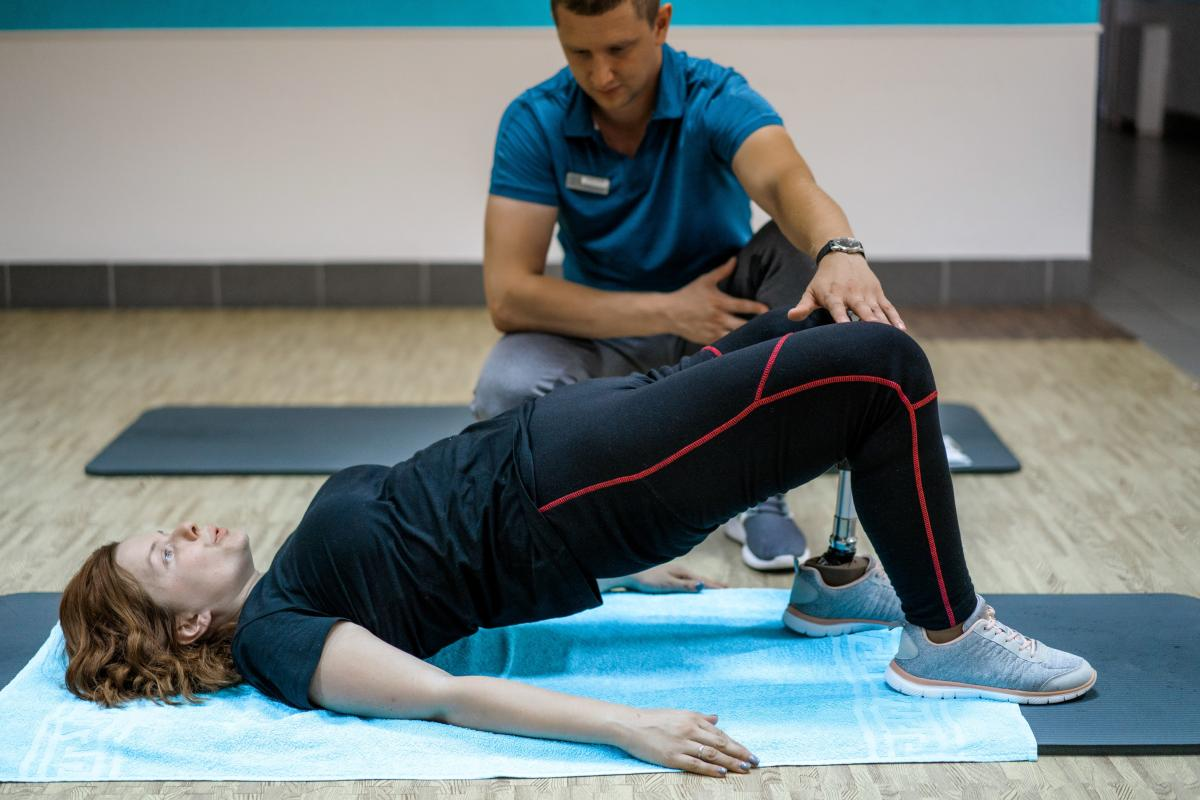
Why Exercise Matters After Surgery
Muscles around a joint weaken quickly when it is painful. Gentle movement restores blood flow, reduces stiffness and lowers the risk of blood clots. Most surgeons ask patients to start moving within a day of surgery, and complete recovery usually takes three to six months.
Early Hip Replacement Exercises (Weeks 1–6)
These are typically done lying down or sitting, and your physiotherapist will confirm what is safe for you. A fuller list is available in this guide to hip replacement exercises.
Ankle Pumps
Move your feet up and down 10 times every hour. This keeps blood flowing and helps prevent clots.
Glute Squeezes
Tighten your buttocks for five seconds and release. Repeat 10 times.
Heel Slides
Slide your heel towards your buttock and back, keeping the knee from rolling inward.
Supported Standing and Walking
Use a walker or crutches as advised. Take short, frequent walks instead of one long one.
Key Safety Precautions
Depending on the surgical approach, surgeons may advise:
- Not bending the hip beyond 90 degrees
- Not crossing the legs
- Sleeping with a pillow between the knees
- Using a raised toilet seat and chair
Progressing to Strength Work
After about six weeks, exercises such as mini squats, standing leg raises and stationary cycling are often added. If you want to understand the surgery behind this recovery, read about total hip replacement and who it is suitable for.
Knee Care Matters Too
Weak hips often put extra strain on the knees. People with knee arthritis may consider the Best Robotic Knee Replacement in Delhi NCR option, which uses 3D planning to support accurate implant placement. The Lancet (2019) reported that about 58% of hip and 70% of knee replacements last 25 years, so good rehabilitation helps protect that long-term benefit.
Warning Signs to Report
Contact your surgeon if you notice:
- Increasing pain or redness around the wound
- Fever
- Calf swelling or tenderness
- Sudden inability to bear weight
Conclusion
Regular, correct exercise often decides how smoothly recovery goes, so follow your physiotherapist’s plan closely. Those seeking the Best Robotic Knee Replacement in Delhi NCR can check the location on Google Maps.
















Comments (0)