

Orthodontic Treatment Explained: How Straighter Teeth Support a Healthier Mouth
Do crooked or crowded teeth only affect how your smile looks, or can they change the way your mouth stays healthy over the years? It is a common question, and the answer is more nuanced than most people expect.

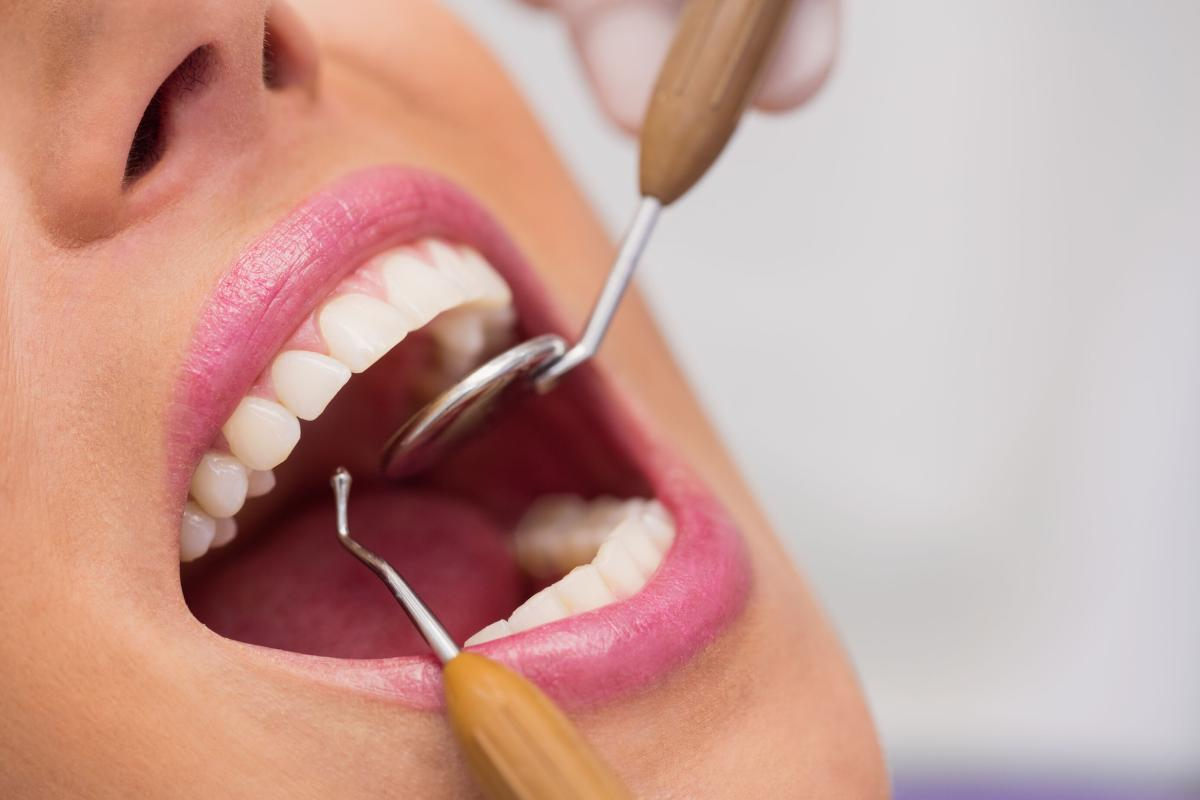
Many adults and parents who book a first orthodontic consultation at a dental clinic al ain arrive with exactly this uncertainty, unsure whether braces are a cosmetic choice or a sensible health decision.
Orthodontics is the branch of dentistry that focuses on how teeth and jaws fit together. Residents who search for تقويم أسنان في العين are usually looking for the same thing: a clear explanation of what treatment involves, how long it takes, and whether it suits their age and circumstances.
This guide walks through the problems orthodontics addresses, the link between alignment and everyday oral health, the types of appliances available, and what the treatment journey looks like from the first assessment to the retainer stage. It is general information, and no article can replace a personal examination.
What Orthodontics Actually Treats
Orthodontic care deals with malocclusion, a word that simply means the teeth or jaws do not meet in an ideal way. Malocclusion is very common, and mild versions are often harmless. Others deserve attention because they affect chewing, cleaning or jaw comfort.
Crowding and Spacing
Crowding happens when the jaw does not offer enough room for all the teeth, so they overlap, twist or sit forward and backward of the dental arch. Spacing is the opposite: gaps between teeth caused by small teeth, a larger jaw, missing teeth or habits such as thumb sucking in childhood.
Bite Problems
Several bite patterns are recognised by dentists and orthodontists:
- Overbite, where the upper front teeth cover too much of the lower teeth.
- Overjet, where the upper front teeth sit noticeably forward of the lower ones.
- Underbite, where the lower teeth sit in front of the upper teeth.
- Crossbite, where some upper teeth bite inside the lower teeth.
- Open bite, where the front teeth do not meet when the back teeth are closed.
Some of these have a skeletal component, meaning the jaw bones themselves are growing in different proportions. Others are mainly about tooth position. The cause matters, because it influences whether braces alone are enough or whether a specialist plan involving jaw growth guidance is needed.
How Alignment Relates to Oral Health
The relationship between straight teeth and a healthy mouth is real, but it is worth describing carefully. Alignment is one factor among many, alongside brushing, diet, genetics and regular professional care.
Cleaning Is Easier When Teeth Are Accessible
Overlapping teeth create corners where a toothbrush and floss cannot reach easily. Plaque that stays in those corners can contribute to tooth decay and gum inflammation. Straighter teeth do not make a person immune to either problem, but they can make daily cleaning more effective and less frustrating.
Uneven Forces and Tooth Wear
When the upper and lower teeth meet unevenly, some teeth may carry more biting force than others. Over time this can contribute to chipping, flattened edges or sensitivity. A well-balanced bite spreads chewing forces more evenly, although other factors such as grinding at night also play a part.
Jaw Comfort and Speech
Some people with significant bite discrepancies report jaw fatigue or discomfort, and certain bite patterns can influence how particular sounds are formed. The evidence linking bite alignment to jaw joint disorders is mixed, so a responsible clinician will not promise that braces cure jaw pain. What they can do is assess whether the bite is likely to be a contributing factor.
Types of Orthodontic Appliances
Modern orthodontics offers several ways to move teeth. No single option is best for everyone, and the right choice depends on the complexity of the case, age, lifestyle and personal preference.
Fixed Braces
Metal braces use small brackets bonded to the teeth and connected by an archwire. They are the most widely used option and can correct a very broad range of problems, including complex ones. Ceramic braces work the same way but use tooth-coloured or clear brackets, which are less noticeable though they may stain more easily if oral hygiene or diet is poor.
Lingual Braces
Lingual braces are fixed to the back surfaces of the teeth, so they are hidden from view. They require special training, can feel more intrusive to the tongue at first, and are not suitable for every bite pattern.
Clear Aligners
Aligners are removable, transparent trays replaced in a planned series. They suit many mild to moderate cases and make eating and cleaning simpler because they come out. Their success depends heavily on the wearer: trays worn for fewer hours than advised will slow or derail progress. People comparing options through a search for تقويم أسنان في العين often find that aligners are discussed most, but they are not appropriate for every situation.
What the Treatment Journey Looks Like
Understanding the sequence helps remove some of the anxiety around starting. While details vary, most orthodontic care follows a similar path.
Assessment and Records
The first appointment typically includes a discussion of concerns, a review of medical and dental history, an examination of the teeth, gums and bite, and often X-rays and photographs or digital scans. A dentist will check for decay and gum disease first, because active problems should be treated before appliances are fitted. A good dental clinic al ain will explain these findings plainly and outline more than one option where options exist.
Active Treatment
During active treatment, the teeth are moved gradually by gentle, continuous pressure. With fixed braces, adjustment visits usually happen every several weeks. With aligners, the patient changes trays on a schedule and returns for periodic monitoring. Treatment duration varies widely, from several months for minor corrections to a couple of years for complex ones, and any estimate should be treated as a rough guide rather than a promise.
Retention
When braces come off or the final aligner is finished, teeth have a natural tendency to drift back toward their old positions. Retainers, either fixed wires bonded behind the teeth or removable trays, hold the new alignment while the surrounding bone and gum tissue stabilise. Skipping retainer wear is one of the most common reasons results change after treatment.
Living With Braces: Daily Care and Common Concerns
Orthodontic treatment asks more of patients than the appointments alone. The daily routine matters just as much.
Cleaning Around Appliances
Food and plaque collect around brackets and wires, so brushing needs more time and technique. Many patients find interdental brushes, floss threaders or water flossers helpful. Fluoride toothpaste supports enamel, and a dentist or hygienist may suggest additional products if a patient is prone to decay.
Discomfort and Small Emergencies
Soreness for a few days after fitting or adjustment is normal and usually manageable with soft foods and, if advised by a clinician, over-the-counter pain relief. A poking wire or loose bracket can often be eased temporarily with orthodontic wax until it can be repaired. Persistent pain, swelling or a broken appliance should be reported to the treating team rather than ignored.
Who Is a Suitable Candidate?
Orthodontic treatment is possible at many ages, but the approach changes.
Children and Teenagers
Children are often first assessed around the time their permanent teeth begin to appear. Many do not need immediate treatment, but monitoring helps identify problems that are easier to address while the jaws are still growing. Teenagers are common candidates for comprehensive treatment because all the permanent teeth have usually erupted and growth can still assist movement. Families who look for تقويم أسنان في العين for a teenager should expect the clinician to talk with the young person as well as the parent, since cooperation is central to a good outcome.
Adults
Adults can have orthodontic treatment successfully, provided their gums and supporting bone are healthy. Treatment may be slower, and adults with past gum disease, worn teeth or missing teeth may need coordinated care from a general dentist, a periodontist or a restorative specialist. Some adults prefer less visible options for professional reasons, which is a legitimate factor to discuss.
Choosing a Provider You Can Trust
Because orthodontic treatment lasts months or years, the relationship with the provider matters as much as the technology.
- Ask who will carry out and supervise the treatment, and about their training in orthodontics.
- Look for a diagnosis based on a proper examination and records, not a plan offered after a brief glance.
- Expect a clear discussion of alternatives, including the option of no treatment, and of the limits of each.
- Ask how emergencies, missed appointments and retention are handled.
- Be cautious about anyone who guarantees outcomes or timelines.
A reputable dental clinic al ain will welcome these questions, put the plan and the cost structure in writing, and be willing to explain what could go wrong. It is also reasonable to seek a second opinion for a complex case. Residents researching تقويم أسنان في العين online will find many marketing claims, so it helps to rely on the consultation itself rather than on advertising.
Frequently Asked Questions
Does orthodontic treatment hurt?
Braces and aligners usually cause pressure and mild soreness for a few days after fitting and after adjustments, rather than sharp pain. Most people adapt quickly. Persistent or severe pain is not expected and should be checked.
How long does treatment usually take?
It depends on the problem, the appliance and how closely the patient follows instructions. Minor corrections may take several months, while complex cases can take two years or more. Your orthodontic team can give an estimate after examining you, but it remains an estimate.
Are clear aligners better than braces?
Neither is better in every case. Aligners are discreet and removable, but they rely on discipline and are not ideal for all bite problems. Fixed braces are more versatile for complex movements. The right choice follows from your diagnosis.
Is there an age that is too late for braces?
There is no strict upper age limit. What matters is the health of the teeth, gums and bone. Adults of many ages complete treatment, though the plan may be adapted to their dental history.
Will I need a retainer forever?
Retention needs vary, but teeth can shift throughout life, so many clinicians recommend long-term retainer wear, often reduced to nights only after the first period. Your orthodontist will advise on the schedule that fits your case.
Final Thoughts
Straighter teeth can support a healthier mouth by making cleaning easier and spreading biting forces more evenly, but orthodontics is not a cure-all and results vary from person to person. The most useful first step is an assessment that looks at your teeth, gums, bite and health history together, followed by an honest conversation about options, timing and responsibilities.
Whether you are considering treatment for a child, a teenager or yourself, take your time, ask questions and compare opinions if you feel unsure. A thoughtful consultation at a trustworthy dental clinic al ain gives you the information to decide whether, when and how to begin, and the commitment you make afterwards, to cleaning, appointments and retainers, is what protects the result for years.


















Comments (0)