

7 Things Every Devotee Should Know About Chhath Puja 2026
Chhath Puja is one of the most meaningful Hindu festivals dedicated to Surya Dev (the Sun God) and Chhathi Maiya. Chhath Puja 2026 is an opportunity for devotees to express gratitude to the Sun, observe traditional rituals, and pray for the health, happiness, and prosperity of their families. Understanding the festival's significance, four-day observance, fasting traditions, and Arghya rituals can help every devotee celebrate with devotion and proper preparation.

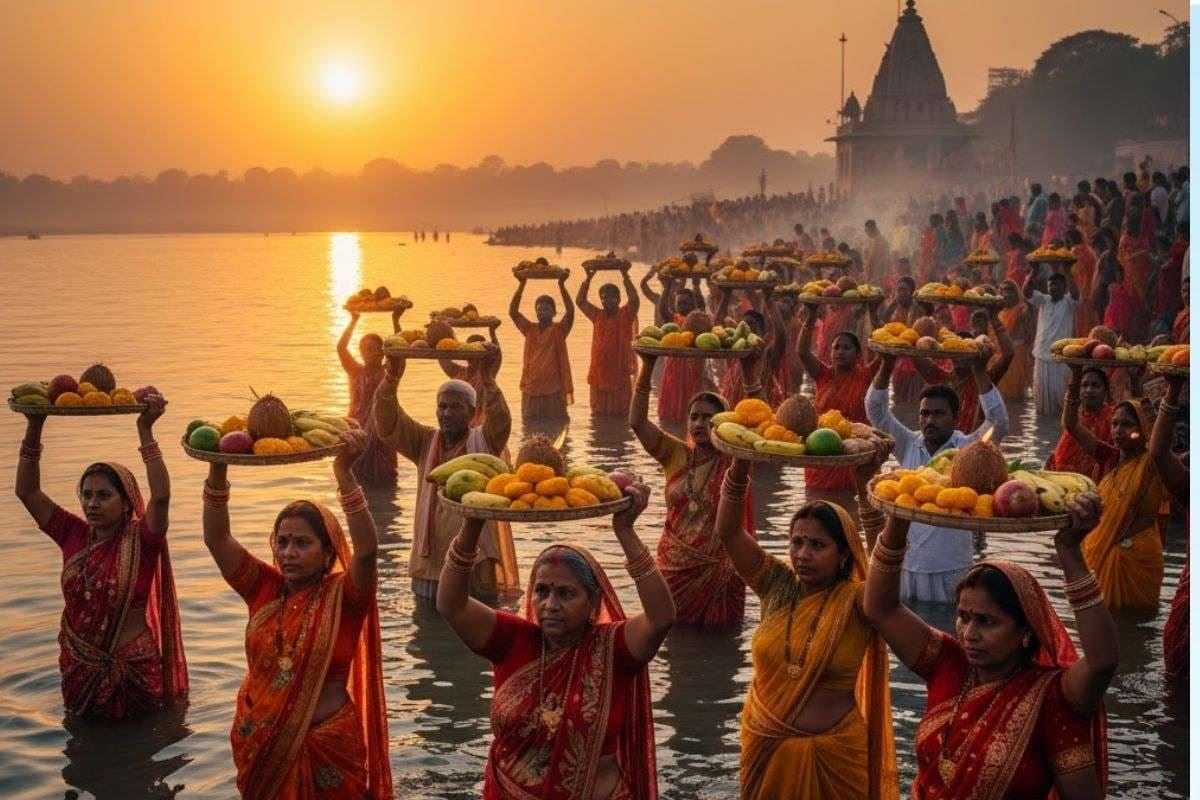
Chhath Puja is one of the most meaningful Hindu festivals dedicated to Surya Dev (the Sun God) and Chhathi Maiya. Chhath Puja 2026 is an opportunity for devotees to express gratitude to the Sun, observe traditional rituals, and pray for the health, happiness, and prosperity of their families. Understanding the festival's significance, four-day observance, fasting traditions, and Arghya rituals can help every devotee celebrate with devotion and proper preparation.
Whether you celebrate at home, visit a local ghat, or join a community gathering, knowing the traditions makes the experience more meaningful. Sadhana shops can also be explored when looking for devotional products and puja essentials for your festival preparations.
In this guide, discover seven important things every devotee should know about Chhath Puja 2026, including its spiritual meaning, essential rituals, traditional offerings, and ways to celebrate respectfully.
By Sadhana Editorial Team — Published: November 15, 2026 · Last updated: November 15, 2026
What Is Chhath Puja 2026 and Why Is It Important?
Chhath Puja 2026 is a Hindu festival dedicated to worshipping Surya Dev and Chhathi Maiya through fasting, prayers, and offerings made to the setting and rising Sun. Devotees observe the festival to express gratitude for life's energy and pray for family well-being and prosperity.
The festival is especially significant in Bihar, Jharkhand, eastern Uttar Pradesh, and among Indian communities around the world. Its traditions emphasize purity, discipline, devotion, and respect for nature.
Why Do Devotees Worship the Setting and Rising Sun?
Chhath Puja is distinctive because devotees offer prayers to both the setting Sun and the rising Sun. The evening offering expresses gratitude for the day's blessings, while the morning offering welcomes the new day with prayers and hope.
What Does Surya Dev Represent in Chhath Puja?
Surya Dev represents light, energy, life, and vitality. Worshipping the Sun is a way for devotees to express gratitude for the natural source of energy that supports life on Earth.
7 Things Every Devotee Should Know About Chhath Puja 2026
Every devotee should understand the festival's spiritual meaning, four-day sequence, fasting practices, Arghya rituals, traditional offerings, cleanliness requirements, and community traditions. These seven points provide a helpful introduction for both experienced devotees and first-time observers.
1. Chhath Puja Is Dedicated to Surya Dev and Chhathi Maiya
The first important thing to know is that Chhath Puja is dedicated to Surya Dev and Chhathi Maiya. Devotees pray for health, happiness, family well-being, and prosperity.
The Sun is worshipped as the source of light and energy, while Chhathi Maiya is revered in popular Chhath traditions as a protective divine mother.
Why Is Chhathi Maiya Worshipped During Chhath Puja?
Devotees worship Chhathi Maiya with faith and devotion, seeking blessings for their children and families. The prayers reflect love, gratitude, protection, and the importance of family well-being.
2. Chhath Puja Is Observed Over Four Days
The second important thing is that Chhath Puja traditionally follows a four-day sequence. Each day has its own rituals and spiritual importance.
The four main stages are:
- Nahay Khay: Devotees begin the observance with ritual bathing and traditionally prepared food.
- Kharna: Devotees observe a fast during the day and prepare a special offering in the evening. Fasting practices vary by family.
- Sandhya Arghya: Devotees offer prayers and Arghya to the setting Sun.
- Usha Arghya: Devotees offer prayers to the rising Sun on the final morning and complete the main observance.
Why Should Devotees Understand Each Day's Ritual?
Understanding the sequence helps families prepare in advance and follow their traditions correctly. It also helps younger family members learn why each stage matters instead of treating the festival only as a celebration.
3. Fasting Is an Important Part of Chhath Puja
Fasting is one of the best-known aspects of Chhath Puja. Many devotees, traditionally called vratins, observe strict fasting as an expression of discipline, faith, and devotion.
The duration and rules of fasting can differ according to family customs, personal health, and religious guidance.
What Should Devotees Know Before Observing the Fast?
Devotees should understand their family's fasting traditions before beginning. Anyone with a medical condition, pregnancy, or health-related concern should seek appropriate medical advice and discuss suitable observance with their family or religious guide.
Children and people who cannot safely observe a strict fast should not be pressured to do so.
4. Sandhya Arghya and Usha Arghya Are the Main Rituals
The fourth important thing is understanding the two major Arghya ceremonies. These rituals involve offering prayers to the setting and rising Sun, usually near a water source.
Sandhya Arghya takes place in the evening, while Usha Arghya takes place early the following morning.
How Is Arghya Offered During Chhath Puja?
Devotees traditionally arrange offerings in a soop or basket and offer prayers while standing near the water. The exact method may vary according to regional and family traditions.
For a safe and respectful observance:
- Check the local sunset and sunrise times.
- Arrange the puja items before leaving home.
- Choose a permitted and safe ghat or community location.
- Follow local instructions around water and public gatherings.
- Keep children supervised throughout the ceremony.
5. Traditional Prasad Has Special Importance
Chhath Puja offerings are prepared with care and devotion. Families often make traditional foods at home and arrange fruits and other offerings in baskets.
Common offerings include:
- Thekua
- Bananas
- Coconut
- Sugarcane
- Seasonal fruits
- Rice-based preparations
- Other traditional family offerings
Why Is Thekua Prepared for Chhath Puja?
Thekua is a traditional sweet associated with Shiv Chalisa , especially in Bihar, Jharkhand, and eastern Uttar Pradesh. It is commonly made using wheat flour, jaggery or sugar, and ghee.
Preparing Thekua can also become a family activity. Parents and grandparents can share recipes and explain the traditions behind the offering to younger generations.
6. Cleanliness and Respect for Nature Are Essential
Cleanliness is an important part of Chhath Puja. Devotees traditionally prepare food and offerings carefully and maintain a clean environment during the observance.
The festival also encourages respect for natural resources, particularly water and sunlight.
How Can Devotees Keep the Ghat Clean?
Every family can help maintain a clean and peaceful gathering place by following a few simple practices:
- Use clean baskets and containers for offerings.
- Avoid leaving plastic bags and disposable items behind.
- Dispose of waste in designated bins.
- Follow local rules about placing offerings in water.
- Keep public paths and gathering areas clear.
- Respect other devotees and nearby residents.
7. Chhath Puja Brings Families and Communities Together
Chhath Puja is not only an individual religious observance; it is also a time when families and communities come together. Relatives often help with cooking, cleaning, arranging offerings, and attending the Arghya ceremonies.
For Indian families living outside India, community celebrations can help preserve cultural traditions and introduce younger generations to the festival.
How Can Families Celebrate Chhath Puja Together?
Families can make the festival meaningful through simple activities:
- Prepare the home and puja area together.
- Make traditional prasad using family recipes.
- Explain the rituals to children.
- Join a local Chhath Puja gathering when available.
- Connect with relatives through video calls.
- Share traditional songs, stories, and memories.
What Is the Difference Between Chhath Puja, Dev Uthani Ekadashi, and Shiv Chalisa?
Chhath Puja, Dev Uthani Ekadashi, and Shiv Chalisa are connected with Hindu devotional traditions, but they have different meanings and purposes. Chhath Puja focuses on Surya Dev and Chhathi Maiya, Dev Uthani Ekadashi is associated with Lord Vishnu, and Shiv Chalisa is a devotional hymn dedicated to Lord Shiva.
What Is Dev Uthani Ekadashi?
Dev Uthani Ekadashi, also known as Prabodhini Ekadashi, is a sacred Hindu observance associated with the awakening of Lord Vishnu after his traditional period of cosmic rest. Devotees may observe fasting, prayers, and worship on this day.
It is an important observance in the Hindu calendar, but it is not the same festival as Chhath Puja.
What Is Shiv Chalisa and When Is It Recited?
Shiv Chalisa is a devotional hymn dedicated to Lord Shiva. Many devotees recite it during daily worship, on Mondays, during Maha Shivratri, and on other occasions associated with Lord Shiva.
Can Devotees Recite Shiv Chalisa During Chhath Puja?
Devotees may include Shiv Chalisa in their personal prayer routine if it is part of their family tradition. However, it is not a required ritual of Chhath Puja, which is specifically associated with worship of Surya Dev and Chhathi Maiya.
How Should You Prepare for Chhath Puja 2026 Step by Step?
Advance preparation helps devotees observe Chhath Puja with less stress and more attention to the rituals. A simple plan can help families organize their offerings, schedule, and gathering arrangements.
Follow these preparation steps:
- Understand the four-day observance: Learn the sequence of Nahay Khay, Kharna, Sandhya Arghya, and Usha Arghya.
- Confirm local timings: Check reliable local sunrise and sunset information and confirm ritual timings with your family priest or community organizer.
- Prepare the puja list: Write down the fruits, prasad ingredients, baskets, and other items required by your family.
- Arrange traditional offerings: Prepare Thekua and other foods according to your family's customs.
- Choose a suitable location: If attending a public ghat, confirm permission, access, parking, and safety arrangements.
- Involve family members: Assign age-appropriate preparation tasks and explain the significance of the rituals.
Where Can You Find Devotional Essentials for Chhath Puja?
Sadhana shop is a devotional shopping resource that readers can explore while preparing for Hindu festivals and prayers. Check the available product listings and descriptions to see whether the items required for your family's puja are available.
Order in advance and review delivery information so that your preparations are not delayed.
How Are Chhath Puja Traditions Being Preserved by Younger Generations?
Chhath Puja traditions are being shared across generations through family participation, cultural gatherings, devotional content, and community celebrations. Younger devotees can help preserve the festival by understanding the meaning behind its rituals and sharing those traditions with others.
How Can Technology Help Families Stay Connected During Chhath Puja?
Video calls allow relatives living in different countries to participate in family preparations and prayers. Grandparents can explain traditional recipes, share memories, and guide younger family members through familiar customs.
Families can also use digital platforms to share festival greetings, community announcements, and photographs.
Conclusion: Remember These 7 Things About Chhath Puja 2026
Chhath Puja 2026 is a meaningful occasion for devotees to worship Surya Dev and Chhathi Maiya, express gratitude, and pray for their families. Understanding the seven important aspects of the festival can help devotees prepare properly and celebrate with faith, discipline, and respect for tradition.
Here are the key takeaways:
- Chhath Puja is dedicated to Surya Dev and Chhathi Maiya.
- The festival traditionally follows four days of observances.
- Fasting is an important practice, but health and personal circumstances matter.
- Sandhya Arghya and Usha Arghya are the main Sun offerings.
- Traditional prasad, including Thekua, has an important place in the celebration.
- Cleanliness and respect for nature are essential.
- Family and community participation help preserve the festival for future generations.
Prepare for your celebrations by exploring devotional essentials at Sadhana shop and sharing the spirit of Chhath Puja with your loved ones.
Frequently Asked Questions About Chhath Puja 2026
1. What Is the Main Purpose of Chhath Puja?
The main purpose of Chhath Puja is to worship Surya Dev and Chhathi Maiya and express gratitude for life, health, and prosperity. Devotees observe prayers, fasting, and Arghya rituals as part of their religious traditions and seek blessings for their families.
2. What Are the Four Days of Chhath Puja?
The four days of Chhath Puja are Nahay Khay, Kharna, Sandhya Arghya, and Usha Arghya. Each day has a different role, beginning with preparation and purification and ending with the morning offering to the rising Sun.
3. Why Are Both Sunrise and Sunset Important During Chhath Puja?
Sunset and sunrise are important because devotees offer prayers to both the setting and rising Sun. Sandhya Arghya expresses gratitude, while Usha Arghya welcomes the new morning. These rituals are central to the traditional observance of Chhath Puja.
4. How Can Sadhana Shop Help with Chhath Puja Preparation?
Sadhana shop is a devotional shopping resource that families can explore when preparing for Hindu festivals and prayers. Visitors can review available product listings and descriptions to find relevant devotional essentials. Check product availability and delivery timelines before ordering.
5. Are Dev Uthani Ekadashi and Chhath Puja the Same?
No. Dev Uthani Ekadashi is associated with Lord Vishnu and his traditional awakening, while Chhath Puja is dedicated to Surya Dev and Chhathi Maiya. Both are significant Hindu observances, but their religious meanings and rituals are different.
6. Is Shiv Chalisa a Required Part of Chhath Puja?
No. Shiv Chalisa is a devotional hymn dedicated to Lord Shiva and is not a required Chhath Puja ritual. Devotees may recite it as part of their personal worship if they wish, while the main Chhath observances focus on Surya Dev and Chhathi Maiya.
7. Can Beginners Observe Chhath Puja?
Yes. Beginners can learn about the festival and participate in suitable prayers and preparations with guidance from experienced family members or a religious guide. Anyone considering strict fasting should account for their health and personal circumstances and should not feel pressured to follow practices that may be unsafe.
About the Author
Sadhana Editorial Team creates informational content about Hindu festivals, devotional practices, puja preparations, and spiritual traditions. The team's goal is to help readers understand religious observances and prepare for meaningful celebrations with their families.
















Comments (0)