

Why Heavyweight Oversized T-Shirts Are Popular in Modern Streetwear
Why are heavyweight oversized t-shirts so popular in modern streetwear? Explore drape, durability, prints, layering and how to wear them in Pakistan.
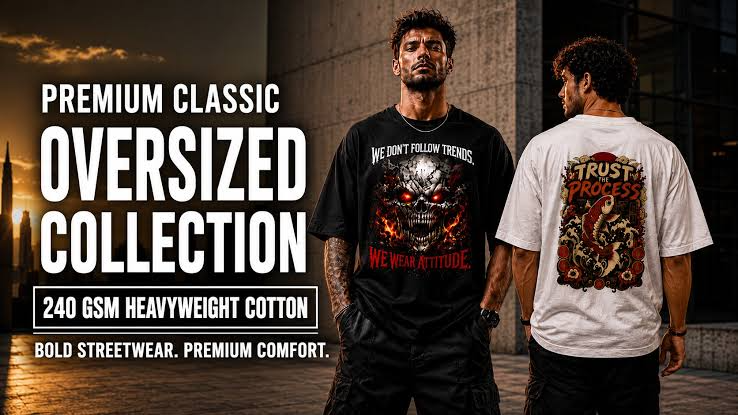
Pick up two oversized tees from different stores and the difference is often obvious before you even look at the print. One feels thin and floppy, and the other feels dense, solid and slightly stiff, almost like a small piece of clothing architecture. That second kind, the heavyweight oversized tee, has quietly become one of the defining pieces of modern streetwear.
The reasons go well beyond a fashion whim. Fabric weight changes how a shirt hangs, how it takes a print, how long it lasts and how it layers, and those qualities line up neatly with what streetwear needs. In this guide, we’ll look at why heavyweight tees are so popular, what the numbers mean, where they work and where they do not and how to wear them in Pakistan’s climate. If you’re also browsing baggy shirts Pakistan sellers list at different weights, understanding this trend will help you choose with more confidence.
What Heavyweight Actually Means
Fabric weight is measured in GSM, or grams per square meter. It tells you how much a square meter of cloth weighs, which in practice tells you how thick and dense it is. A standard everyday tee usually falls between 150 and 180 GSM, midweight sits around 180 to 200 GSM, and heavyweight generally starts around 200 GSM and runs to about 240 GSM. Above that, shirts become extra heavy and suit cold weather and bold boxy looks.
GSM is not the only measure of quality, since a rough, poorly spun heavy cotton can still feel bad. But it is the fastest way to predict how a shirt will behave, and in an oversized cut that behavior matters a great deal.
The Drape Is the Main Reason
The biggest reason for the trend is how heavyweight fabric hangs. An oversized tee depends on its fabric to create the shape, because there is no body underneath to hold it up. Thin cloth collapses, clings to the stomach and shows every crease, while dense cloth falls straight from the shoulders and holds a clean, boxy outline.
That structure is exactly what the streetwear silhouette needs. A dropped shoulder seam, wide sleeves and a squared-off body only look deliberate when the fabric supports them. Heavyweight cotton gives the shirt a quiet authority, which is why it reads as premium even when the design is simple.
It Looks Expensive
Weight is one of the clearest visual signals of quality. A dense tee looks substantial, and it photographs well, with clean folds and a smooth surface instead of the limp look of cheaper fabric. Even in a plain color, the shirt seems more considered.
This matters in a scene where many people are wearing similar silhouettes. When the shape is the same, small quality cues become the difference between an outfit that looks intentional and one that looks generic. Heavyweight fabric, a firm ribbed collar and clean stitching are the kinds of details that make a simple tee stand out.
Better Support for Prints and Embroidery
Streetwear lives on graphics, and heavier cotton is a better base for them. The tight, smooth surface of a dense knit holds screen prints, puff prints and embroidery more cleanly, with sharper edges and less warping. Large back graphics in particular sit flatter and last longer on a sturdy fabric.
Thin cotton can pucker under heavy embroidery or stretch out of shape under a large print, which makes the design look distorted. For brands and buyers who care about artwork, heavyweight fabric solves a real problem. If you are curious about how stitched details look on a relaxed cut, these embroidered oversized tees show how floral and playful embroidery sits on a roomy shirt.
Durability and Value
Heavyweight tees tend to last. The denser weave resists stretching and pilling, the collar usually keeps its shape longer and the fabric holds up better through repeated washing. A well-made heavy tee can stay in rotation for years, while a thin one may look tired after a few months.
That changes the math on price. A heavyweight tee often costs more up front, but thinking in terms of cost per wear shows why it can be better value. A shirt that stays crisp for two years and gets worn dozens of times costs less per use than a cheap one that loses its shape after five washes.
Heavyweight Layers Beautifully
Layering is central to streetwear, and a sturdy tee is a good layering piece. A heavy cotton shirt sits smoothly under an open overshirt, a denim jacket or a coat without bunching, and its structure keeps the outfit looking sharp. It also works well over a slim long-sleeve base, with the sleeves peeking out below.
Thin tees, by contrast, tend to bunch and twist under other layers. Because the heavyweight tee holds its own shape, the whole outfit stays cleaner. For ready-made combinations that show how layers work over a roomy tee, these streetwear outfit ideas are easy to adapt.
Fewer Problems With See-Through and Cling
Two common complaints about thin tees disappear with heavier fabric. The first is transparency, since light colors in thin cotton can turn see-through, especially when you sweat. Dense fabric stays opaque, so white, cream and pastel shades look clean instead of revealing.
The second is clinging. Light fabric sticks to the skin in heat and humidity, which makes the shirt look messy and feel uncomfortable. A heavier cotton hangs away from the body, so the loose cut works as intended. This is one reason the heavy tee is preferred even in warm climates, as long as the weight is chosen sensibly.
Does Heavyweight Work in Pakistan’s Heat?
This is the obvious worry, and the honest answer is that it depends on the weight and the quality. A very heavy 300 GSM shirt can feel stifling in peak summer, particularly in humid cities. But a good heavyweight cotton in the 200 to 240 GSM range breathes better than most people expect, because pure cotton absorbs moisture and does not cling the way cheap synthetics do.
For the hottest months, many buyers choose the lighter end of the range, around 200 to 220 GSM, or a good midweight around 180 to 200 GSM. Heavier shirts come into their own in autumn, spring and winter. Choosing combed or ring-spun cotton in a single jersey knit helps the shirt stay comfortable. For a closer comparison of how fit and fabric change across cuts, this guide to oversized vs regular fit explains how different shirts behave in Pakistan’s climate.
How to Spot a Good Heavyweight Tee
Not every heavy shirt is a good one. Start with the cotton type, since combed or ring-spun cotton feels smoother and lasts longer than basic carded cotton at the same weight. Feel the fabric, which should be dense and smooth rather than stiff and scratchy, and check that the knit looks tight and even.
Look at the details too. A firm, thick ribbed collar should spring back after being stretched, seams should be straight and flat and the shoulder seam should sit a few centimeters below your natural shoulder. Pre-shrunk or garment-washed finishes keep the size stable. Read reviews for comments on softness, shrinkage and print durability, and ask the seller for the GSM if the listing does not say.
How to Style Heavyweight Tees
Heavyweight tees suit a wide range of outfits. Pair one with straight jeans or tapered cargos for a classic streetwear look, add chunky sneakers and let the structure of the shirt carry the outfit. A half-tuck at the front shows your waistline, and a plain cap or crossbody bag finishes the look.
For a smarter feel, wear a dark heavy tee with tapered trousers and minimal sneakers, and add an open overshirt. For cooler weather, layer it over a slim long-sleeve top and under a jacket. A calm color palette of black, sand, olive and charcoal keeps the outfit coherent, and the shirt’s weight does the rest.
Heavyweight Tees for Women
Heavyweight oversized tees work well for women too. The structure gives a clean, boxy line that skims the body without clinging, and the weight keeps the fabric opaque and neat. Tucking the front into high-waisted jeans, wide-leg trousers or a midi skirt defines the waist while keeping the relaxed shape.
For extra coverage, wear the tee over a thin long-sleeve top with relaxed trousers, which also helps in cold air-conditioned rooms. Check that the shoulder seam sits properly on narrower shoulders, and choose a hem around the hip so the shirt does not overwhelm your frame.
Common Mistakes to Avoid
The most common mistake is assuming heavier is always better. A stiff, rough cotton can feel worse than a smooth midweight one, so check cotton quality as well as GSM. Another is choosing an extra-heavy shirt for peak summer, which can feel stifling. Sizing up too far, ignoring the collar, skipping reviews and pairing a heavy tee with equally heavy, loose bottoms and no structure are the other usual traps.
Caring for Heavyweight Tees
Good care keeps heavy cotton looking its best. Wash tees inside out in cold water to protect prints and colors, and avoid hot dryers that shrink cotton and loosen collars. Heavyweight fabric takes longer to dry, so give it room to air in the shade, and make sure it is completely dry before folding. Fold your tees instead of hanging them to prevent shoulder bumps, which show up more clearly on thick cotton.
Final Thoughts
Heavyweight oversized tees are popular in modern streetwear because they solve the real problems of the style. They drape cleanly, look premium, carry prints well, last longer, layer smoothly and stay opaque and neat. Those qualities line up perfectly with what an oversized silhouette needs.
For most people in Pakistan, the smart approach is a mix: a few lighter midweight tees for peak summer and several 200 to 240 GSM tees for the rest of the year. Check the cotton type, feel the fabric and read the reviews before you buy, and you will end up with a shirt that looks sharp, feels solid and keeps its shape for years.
Daniyal Aslam is a content writer who creates clear, search-friendly content for brands and online stores. He specializes in blog posts, product descriptions, and web copy that inform readers and help businesses grow their online visibility.
















Comments (0)