

Electric Two-Wheeler Registration and Licence Rules in India
Learn which electric scooters require a driving licence and RTO registration in India, along with rules for low-speed and high-speed EVs.

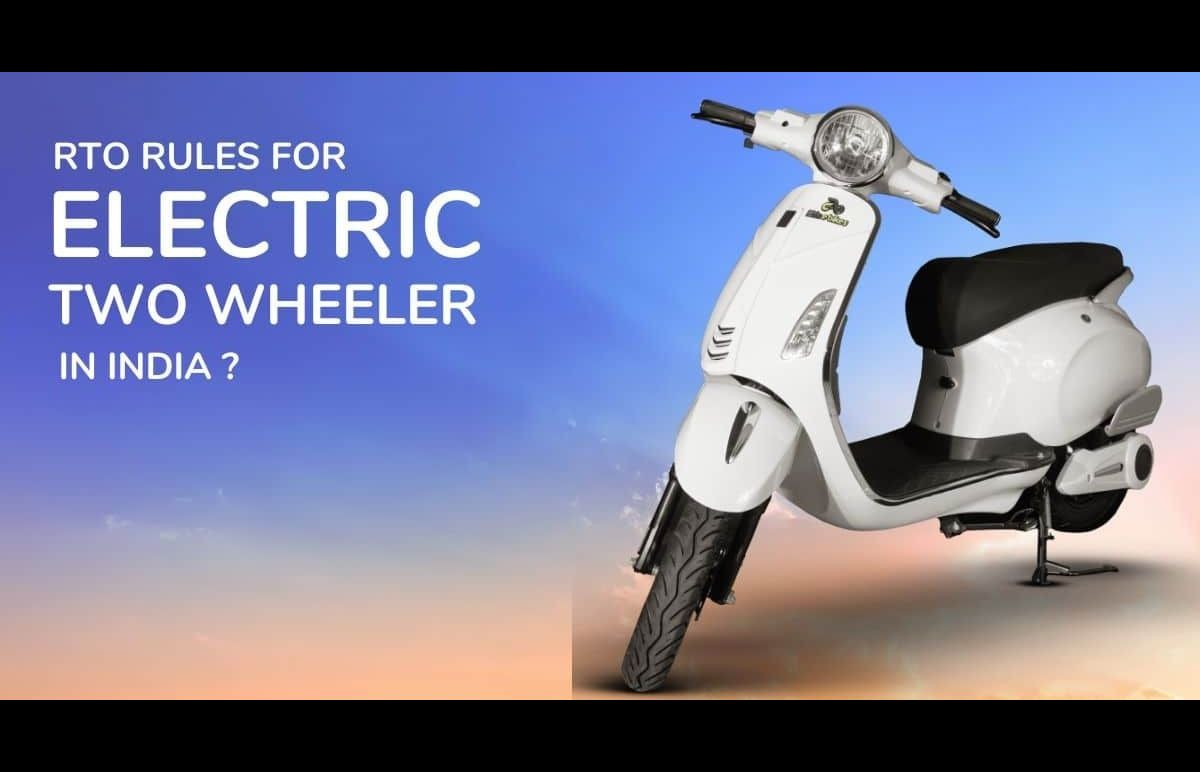
If you are planning to switch to battery-powered electric two-wheelers, you're probably searching for electric scooter registration in India, trying to learn about the latest EV license rules. The RTO rules for electric two-wheelers are not complex.
Whether you’re looking for an everyday city commute or a high-performance electric bike, understanding the legal requirements before you hit the road will keep you safe from fines.
The Golden Rule: The 25 km/h and 250W Threshold
The Ministry of Road Transport and Highways (MoRTH) has kept things very simple. The entire legal framework for electric two-wheelers is dependent on just two factors: motor power and top speed.
The government has categorised the electric two-wheeler into “Low-Speed” and “High-Speed” variants, and this single factor decides exactly how much paperwork is required for you.
Low-Speed EVs: Ride Free and Easy
If you are opting for a low-speed electric scooter, you can easily skip long queues at the transport office as by Law, a low-speed EV is defined by having an electric motor generating a power output below 250W and a top-speed limited at 25 km/hr.
The government treats these as non-motor vehicles, meaning you don’t require a driving license to ride them, nor do they require formal RTO registration or a number plate. This makes them an ideal choice for senior citizens, commuters looking for a hassle-free ride, and families evaluating whether minors can legally ride electric scooters without running afoul of the law.
While insurance is not necessary, getting basic coverage is always a smart move to protect your investment against theft or accidental damage.
High-Speed EVs: Standard RTO Rules Apply
Two-wheelers equipped with more than 250W of power or which can cross 25 km/hr speed limit, are officially classified as a motor vehicle under the Motor Vehicles Act.
For high-speed EVs, standard RTO regulations are applicable. You must have a valid two-wheeler driving license, wear a helmet, and formally register the vehicle with your local RTO. You will also need a mandatory green number plate, which features white text for private vehicles.
The Verdict
When it comes to paperwork, a 5-year third-party insurance policy is legally required for new two-wheelers before they can be registered. This is for faster EV adoption, as MoRTH has completely waived off the registration fees for electric vehicles across the country.
On the other hand, several states are offering up to 100% exemption on road tax, making the switch to electric seamless and exceptionally kind to your wallet.
















Comments (0)