

Fabric, Stitching, and Quality: What Makes an Essentials Hoodie Last
Understanding fabric weight, stitching, and finishing details helps you judge any hoodie more accurately. This article breaks down what to look for and why these details matter for your comfort and your money.


When people ask whether an essentials hoodie is worth buying, the answer usually comes down to material and construction. Style gets attention at first, but quality decides whether the garment remains in your closet after two years. Understanding fabric weight, stitching, and finishing details helps you judge any hoodie more accurately. This article breaks down what to look for and why these details matter for your comfort and your money.
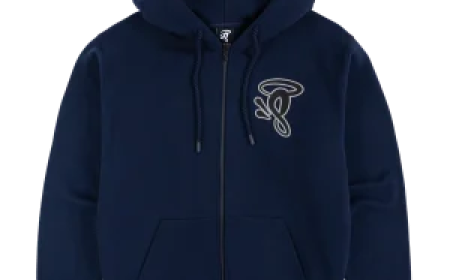
The essentials fear of GOD hoodie is often praised for its substantial feel in the hand. That sense of weight is not random. It comes from carefully chosen fabrics and a construction method that supports the relaxed shape without losing structure over time.
Why Fabric Weight Matters
Fabric weight is measured in grams per square meter, often shortened to GSM. A heavier hoodie feels richer, holds warmth better, and drapes with more shape. Lightweight fleece may feel pleasant at first, but it can lose form quickly and pill after a few washes. A mid-to-heavy weight gives the essentials hoodie its premium drape, helping the garment hang smoothly instead of clinging or collapsing around the body.
The Cotton Blend Advantage
Most quality hoodies use a cotton-rich blend, sometimes mixed with a small amount of polyester for strength. Cotton provides softness and breathability, while the added fiber improves durability and reduces shrinkage. The result is a fabric that feels natural against the skin yet withstands repeated washing. When shopping, check the label for fiber content and be cautious of products that rely mostly on thin synthetic material, since these can trap heat and feel less comfortable.
Brushed Interior for Softness
Flip a good hoodie inside out and you will notice a soft, brushed fleece lining. This interior texture traps warm air and creates the cozy sensation people love. It also makes the essentials hoodie pleasant to wear directly over a tee. A well-finished lining looks even and dense rather than patchy. Over time, quality fleece resists matting, so the hoodie stays soft long after the first wash.
Stitching and Seam Strength
Strong seams separate good clothing from disposable fashion. Look closely at the shoulders, underarms, and pocket edges, where stress is highest. Straight, tight stitches without loose threads signal careful manufacturing. Reinforced seams help the garment endure daily movement, stretching, and washing. When the construction is solid, the essentials hoodie keeps its shape, and the oversized silhouette remains sharp instead of turning saggy.
Ribbed Cuffs and Hem
The rib knit at the cuffs and hem plays a quiet but essential role. It should feel elastic and spring back after stretching. Weak rib quickly becomes loose, which makes the sleeves droop and the hem flare. A strong rib keeps the lines of the minimalist hoodie clean and helps trap warmth. Gently pull on the cuffs when shopping to see how well they recover, because this simple test reveals a lot about overall quality.
Hood and Drawcord Details
A well-made hood should sit full and rounded, with a double-layer construction that holds its shape. The drawcords should feel thick and finish with neat ends, and the eyelets must be firmly set. Poor hoods fall flat and twist around the neck. Because the hood frames your face and shoulders, its structure affects the visual impact of the entire garment, so it deserves close attention before you commit to a purchase.
Dye Quality and Color Retention
Rich, even color is another sign of good production. Quality dyeing prevents quick fading and uneven patches, especially in darker shades like black and charcoal. To protect color, wash the hoodie inside out in cold water and avoid harsh detergents. Dry it away from direct sunlight whenever possible. With these simple habits, your streetwear hoodie keeps its tone and continues to look polished even after many wears.
Is the Quality Worth the Price?
When you compare cost per wear, higher-quality hoodies often come out ahead. A well-built piece worn weekly for several years costs far less per use than a cheap one replaced each season. Add the comfort, the flattering shape, and the versatile styling, and the value becomes clear. If you want a dependable staple, choose carefully, inspect the details described above, and invest in a essentials hoodie that rewards you every time you wear it.
How to Inspect a Hoodie Before Buying
You do not need expert knowledge to check quality. Start by feeling the fabric between your fingers, looking for a dense, even surface. Turn the garment inside out and study the seams for neat, consistent stitching. Stretch the cuffs gently and watch how quickly they return. Hold the hoodie up to the light to see whether the knit looks uniform. These four quick checks take less than a minute and reveal far more than a price tag ever can.
Simple Care Habits That Extend Lifespan
Even excellent fabric needs sensible care. Wash similar colors together, use a mild detergent, and choose a gentle cycle. Skip fabric softener, which can coat the fibers and reduce their natural softness over time. Air drying is best, but if you use a dryer, keep the heat low. Store the essentials hoodie folded in a cool, dry drawer, and it will reward you with years of reliable comfort.









Comments (0)