

Sustainable Renewable Energy: India's Clean Energy Future
Learn how sustainable renewable energy, solar power, and wind energy are transforming India's electricity sector and supporting a cleaner future.
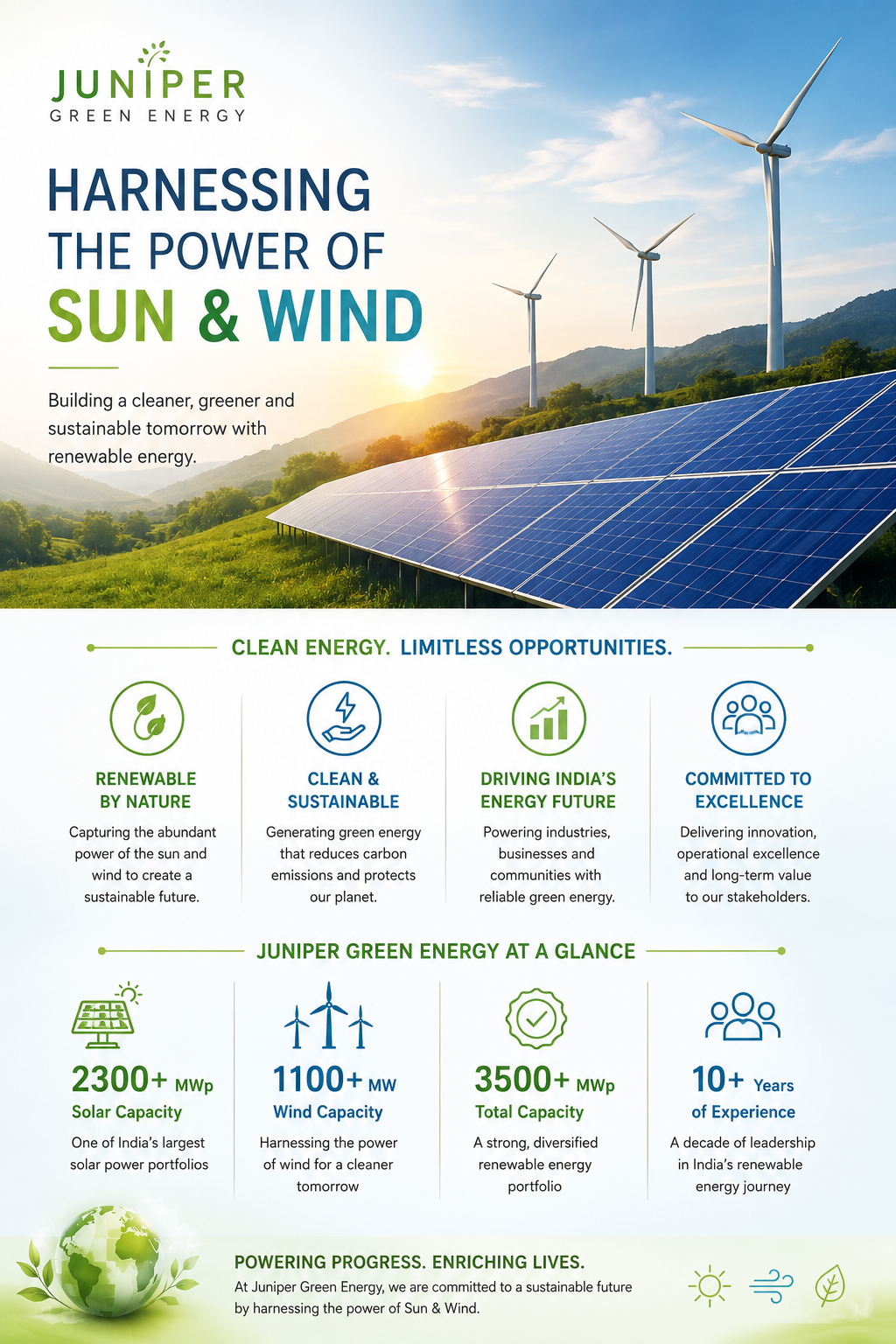
Sustainable Renewable Energy: Building a Cleaner and More Reliable Energy Future
The demand for electricity is increasing as industries expand, cities grow, and modern lifestyles become more dependent on technology. At the same time, concerns about climate change, environmental pollution, and the limited availability of conventional energy resources have made clean power generation an important global priority. Renewable energy offers a practical way to address these challenges by using naturally replenished resources such as sunlight and wind.
India is making significant progress in expanding its renewable energy infrastructure. Solar parks, wind farms, hybrid power projects, and advanced energy storage systems are becoming important parts of the country's electricity landscape. This transition is not only about generating cleaner electricity but also about building a dependable energy system that can support future economic growth.
Understanding the Importance of Sustainable Renewable Energy
The concept of sustainable renewable energy focuses on producing electricity from resources that are naturally replenished and have a lower environmental impact than conventional fossil fuels. Solar, wind, hydropower, and bioenergy are some of the major renewable energy sources contributing to this transition.
Unlike coal and petroleum, renewable resources do not depend on limited underground reserves. Sunlight and wind are naturally available, making them valuable resources for long-term electricity generation.
The growing adoption of renewable power also supports environmental conservation, energy diversification, and reduced dependence on traditional fuel sources. For countries like India, where electricity demand continues to increase, developing renewable infrastructure is an important step toward meeting future requirements.
Why Is Renewable Energy Important for India?
India has considerable potential for solar and wind energy because of its geographical conditions. Several regions receive abundant sunlight, while states with favorable wind conditions provide opportunities for large-scale wind power development.
According to government information published in November 2026, India's non-fossil fuel installed capacity reached approximately 308 GW as of July 31, 2026, representing around 55% of total installed electricity capacity.
This progress reflects the growing importance of clean energy in India's power sector. Renewable energy development also supports industrial growth, infrastructure investment, and employment opportunities across different stages of project development.
Expanding domestic renewable power generation can help diversify the country's energy mix and reduce its exposure to fluctuations in conventional fuel markets.
Major Types of Renewable Energy Sources
Different renewable technologies contribute to electricity generation in different ways. Combining these resources can help create a more balanced and flexible energy system.
1. Solar Energy
Solar power converts sunlight into electricity through photovoltaic panels. It is one of the fastest-growing renewable energy technologies because solar installations can be developed across different scales, from residential rooftops to large utility-scale projects.
Solar farms generate electricity during daylight hours and can contribute significantly to the energy requirements of commercial, industrial, and residential consumers.
2. Wind Energy
Wind power uses turbines to convert the movement of air into electricity. Wind farms are generally developed in locations with suitable wind speeds and favorable geographical conditions.
This technology provides another important source of clean electricity and complements solar generation, particularly when wind conditions are favorable outside peak sunlight hours.
3. Wind-Solar Hybrid Energy
Hybrid renewable energy projects combine solar and wind generation within an integrated power system. Since the availability of sunlight and wind can vary at different times, combining both sources can improve the utilization of project infrastructure.
Such projects also create opportunities to develop more balanced renewable power generation systems.
4. Battery Energy Storage Systems
Battery energy storage systems play an important role in managing fluctuations in renewable electricity generation. They store surplus electricity and make it available when generation is lower or demand increases.
Energy storage can improve grid flexibility, support electricity supply management, and strengthen the integration of renewable power into the existing electricity network.
Key Benefits of Renewable Energy Development
The expansion of renewable energy offers several environmental, economic, and infrastructure-related advantages.
Lower Environmental Impact: Solar and wind power generate electricity without the direct combustion of fossil fuels, helping reduce operational carbon emissions.
Better Energy Diversification: Using multiple renewable sources reduces dependence on a single energy resource and supports a more balanced electricity mix.
Long-Term Resource Availability: Sunlight and wind are naturally replenished, making them valuable resources for long-term energy planning.
Industrial Development: Renewable energy projects encourage investment in equipment manufacturing, engineering, construction, and infrastructure development.
Employment Opportunities: The sector creates jobs across project planning, installation, maintenance, operations, and technical services.
Support for Energy Security: Expanding domestic clean power generation can help reduce dependence on imported conventional fuels and improve the diversity of energy supplies.
The Role of Juniper Green Energy in India's Renewable Energy Sector
The development of renewable energy requires companies with capabilities across project planning, construction, power generation, and long-term operations. Independent renewable energy producers play an important role in expanding India's clean electricity infrastructure.
Juniper Green Energy is an independent renewable energy power producer focused on developing, constructing, and operating utility-scale renewable energy projects in India. Its portfolio includes solar, wind, wind-solar hybrid, and Firm and Dispatchable Renewable Energy (FDRE) projects.
The company also incorporates battery energy storage systems into its broader renewable energy development strategy. These technologies are important for improving the flexibility and availability of clean electricity.
Through its focus on large-scale renewable infrastructure, Juniper Green Energy contributes to the wider development of India's renewable power sector.
Its integrated approach to project development, engineering, construction, and operations reflects the importance of technical capabilities in delivering renewable energy projects.
Challenges in Expanding Renewable Energy
Although renewable energy offers considerable benefits, its large-scale adoption also involves certain challenges. Solar and wind generation depend on weather conditions, which can create variations in electricity production.
Energy storage, improved transmission infrastructure, and effective grid management are therefore important for maintaining a reliable power supply.
Land availability, project financing, equipment requirements, and regulatory processes can also influence project development timelines.
Addressing these challenges requires continued investment, technological improvements, and coordination between renewable energy developers, policymakers, infrastructure providers, and electricity distribution companies.
What Does the Future Hold for Clean Energy in India?
India's renewable energy sector is expected to remain an important part of the country's long-term development strategy. Growing electricity demand, industrial expansion, and increasing attention to environmental responsibility are creating opportunities for new clean power projects.
Technologies such as hybrid renewable energy systems, battery storage, and dispatchable renewable power are expected to contribute to a more flexible electricity network.
Businesses and energy developers will continue to play an important role in supporting this transition through infrastructure investment and technological innovation.
Conclusion
Renewable energy is becoming an essential part of building a cleaner, more diversified, and sustainable electricity system. Solar and wind power, supported by hybrid technologies and energy storage, offer practical solutions for meeting growing energy requirements while reducing dependence on conventional fuels.
Companies such as Juniper Green Energy contribute to this development by focusing on utility-scale renewable energy projects across India. Continued investment in clean power infrastructure, technological progress, and responsible project development can help create a stronger energy foundation for future generations.

Renewable energy plays an important role in building a cleaner and more sustainable future. Solar and wind power offer reliable alternatives to conventional energy sources while helping reduce carbon emissions and dependence on fossil fuels. Harnessing the power of Sun & Wind reflects the potential of natural resources to support India's growing energy needs responsibly.


















Comments (0)