

Common Mistakes to Avoid When Ordering Interior Rendering Services
Common Mistakes to Avoid When Ordering Interior Rendering Services

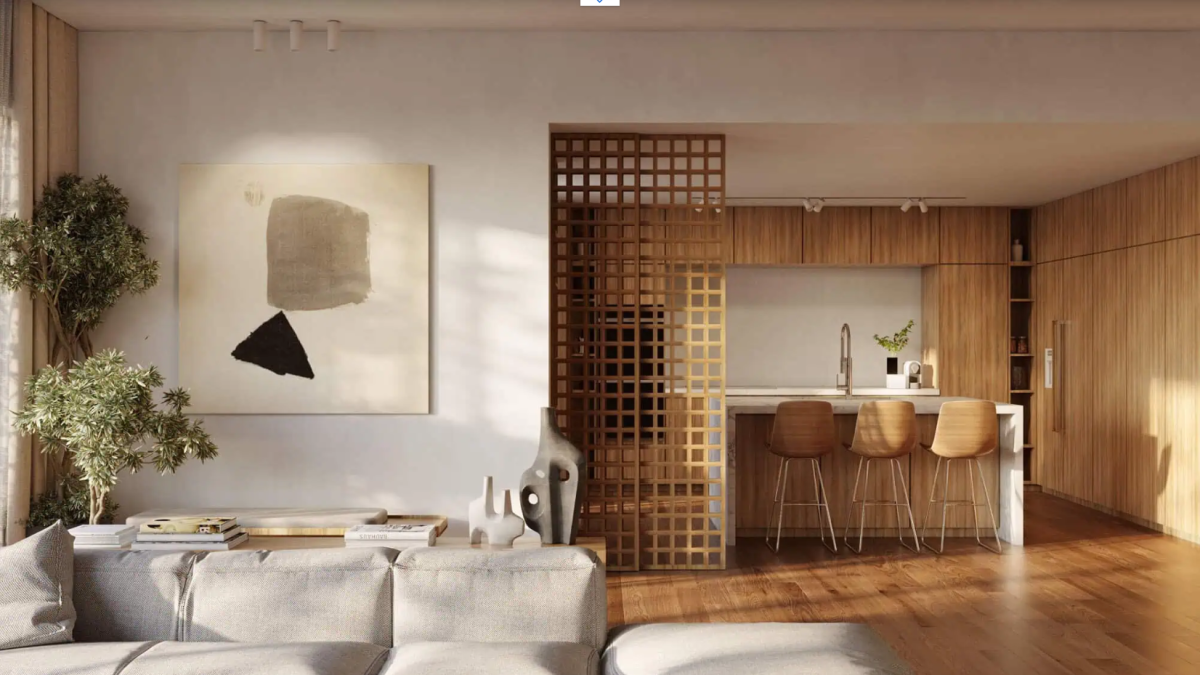
Visualization projects usually go well when expectations are clear, but a few recurring mistakes can cause delays, extra costs, and frustration. Most are easy to avoid once you know what to watch for. Whether you are ordering your first set of images or your fiftieth, a short list of common pitfalls can save time and improve results. This article looks at the mistakes clients most often make when working with interior rendering services, from incomplete information to unclear feedback, and offers practical advice for getting better outcomes from architectural interior rendering projects. Knowing these pitfalls in advance helps you avoid them.
Mistake One: Starting With an Incomplete Brief
Sending only a few drawings and hoping the studio will fill the gaps is a common error. Missing finishes, unclear dimensions, or vague style directions lead to guesses, and guesses lead to revisions.
Gather plans, material choices, and references before you begin, and flag any undecided items.
A good test is to imagine handing the brief to a stranger. Could they build the scene without asking questions? If not, add the missing details before sending it to the studio.
Mistake Two: Changing Decisions Late
Because digital models are flexible, it is tempting to keep adjusting. But major changes late in the process can require significant rework, affecting schedule and cost.
Lock key decisions such as layout and main materials before production, and use revision rounds for refinement rather than redesign.
Keep a log of decisions. Recording what was agreed, and when, reduces disputes and helps new team members catch up if people change during a project.
Be careful with last minute additions. A new room or an extra view may be possible, but it should be discussed and scheduled properly rather than added informally.
Mistake Three: Giving Unclear or Conflicting Feedback
When several people comment separately, the studio may receive contradictory instructions. Vague notes such as make it nicer are difficult to act on.
Appoint one person to collect and consolidate feedback, and be specific about what to change.
Remember that quality feedback has a tone as well as content. Respectful, precise comments build a good relationship and often lead to better creative suggestions from the studio.
Keep communication courteous and timely. Replying promptly to questions from the studio prevents small uncertainties from delaying production, and it signals that you value the collaboration.
Mistake Four: Judging Interior Rendering Services on Price Alone
The cheapest quote is not always the best value, and a few standout images do not guarantee consistency. Compare scopes carefully and ask about process, communication, and revision policies.
Check how the studio describes its work. Aimir CG presents its interior rendering services as built on attention to detail, from light and shadow to material texture, so it makes sense to ask any provider how they ensure that level of care.
Ask about delivery formats too. Confirm resolution, color profile, and file types in advance so the images are ready for print, web, or presentation without conversion headaches.
Avoid treating the studio as a pure order taker. Experienced artists often spot problems in drawings or suggest better camera angles, and inviting that input can improve the result at no extra cost.
Mistake Five: Ignoring Timelines
Allow enough time for modeling, rendering, and review. Rushing can compromise quality, and last minute deadlines leave no space for adjustments. Build in a buffer and agree on milestones.
Looking ahead, better collaboration tools will help reduce some of these issues, but good habits remain the best protection.
Conclusion
Most problems with visualization projects are preventable. Prepare a complete brief, lock decisions, consolidate feedback, compare providers thoughtfully, and plan your timeline. With these habits, interior rendering services become smoother and more rewarding, and your architectural interior rendering will reflect your vision accurately.














Comments (0)