

What Gives White Widow Strain Its Frosty, Crystal-Covered Appearance?
Explore what gives White Widow its signature frosty appearance, from resin-rich trichomes and genetics to the natural compounds that create its crystal-covered buds.

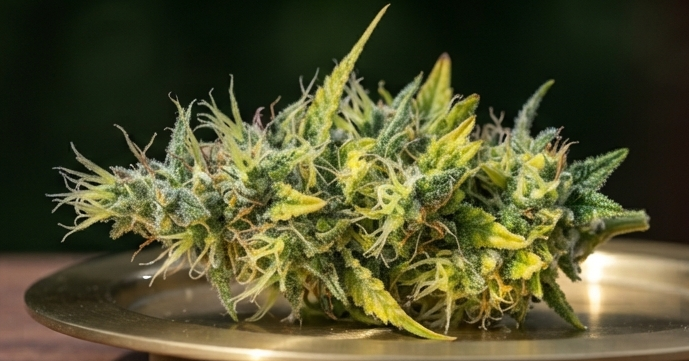
White Widow is widely recognised for its distinctive frosty appearance, with buds often covered in a thick layer of sparkling, crystal-like resin. This visual feature makes the strain stand out among many cannabis varieties. Its snowy coating gives the flowers a distinctive look, almost as if they have been lightly dusted with sugar or covered in tiny ice crystals. However, this appearance is not caused by ice or artificial substances. It comes from naturally occurring structures called trichomes.
What Are Trichomes?
Trichomes are tiny, hair-like or mushroom-shaped structures that develop on the surface of cannabis flowers and nearby leaves. They are responsible for producing and storing resin, which contains cannabinoids, terpenes, and other plant compounds. Under proper lighting, these microscopic structures reflect light, creating the frosty and sparkling appearance associated with certain cannabis varieties.
In White Widow, trichomes are particularly noticeable because they can develop in considerable numbers across the flower surfaces. Their density gives the buds a whitish, crystal-covered appearance that contributes to the strain's recognisable visual identity.
The Role of Genetics in Crystal Production
Genetics play an important role in determining how many trichomes a cannabis plant produces. White Widow is known for its resin-rich characteristics, which are closely associated with its genetic background. These inherited traits influence flower structure, resin production, aroma, and overall appearance.
However, not every White Widow plant looks the same. Differences in phenotype, growing conditions, and plant development can affect trichome density and the overall appearance of the flowers. Some specimens may display a heavier frosty coating, while others may have a slightly greener appearance with visible resin glands.
How Terpenes and Cannabinoids Contribute
The resin found inside trichomes contains several naturally occurring compounds, including cannabinoids and terpenes. Cannabinoids such as THC and CBD are produced and stored in these resin glands, while terpenes contribute to the plant's distinctive aroma and flavour characteristics.
Although these compounds are important parts of cannabis chemistry, they are not what directly creates the sparkling appearance. The visible crystal-like effect comes from the physical structure of the trichomes themselves. Their translucent surfaces reflect light, making the flowers appear almost silver or white under certain lighting conditions.
Why Growing Conditions Matter
Environmental conditions can influence trichome development and the final appearance of cannabis flowers. Factors such as temperature, humidity, lighting, nutrition, and plant health all contribute to how the flowers develop.
Genetics establish the plant's potential, while environmental conditions influence how those inherited characteristics are expressed. This explains why two plants from the same strain may have noticeably different levels of resin coverage.
What Makes Its Appearance So Recognisable?
The combination of dense trichomes, distinctive flower structure, and natural resin production gives White Widow its signature frosty appearance. Its sparkling surface has become one of the most recognisable visual characteristics associated with this classic cannabis variety.
Understanding the science behind its crystal-covered flowers offers a closer look at what makes this variety visually distinctive. For anyone researching cannabis genetics, plant chemistry, and flower characteristics, learning about white widow weed provides an interesting example of how natural resin production and inherited plant traits contribute to a strain's appearance.
















Comments (0)