

What Materials Work Best for a Durable Slide and Hide Door?
Sliding doors take more mechanical stress than hinged doors. Every open-and-close cycle puts load on the track, the panel, and the hardware.

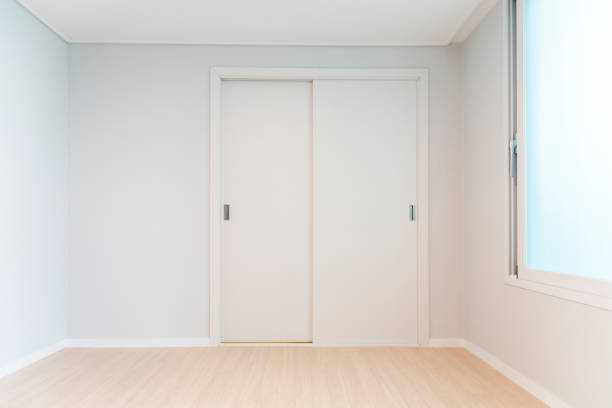
The best materials for a durable slide and hide door are aluminium, timber, and glass — each offering distinct performance characteristics. Aluminium leads for structural strength and corrosion resistance. Timber suits heritage or warm interior styles. Glass maximises light flow. The right choice depends on traffic levels, moisture exposure, design intent, and budget.
Choosing the wrong material can mean warping, rattling, or costly replacements within a few years. If you're mid-renovation and weighing your options, this guide breaks down what each material actually delivers — and where each one falls short. A well-chosen slide and hide door should perform as well in year ten as it does on installation day.
Why Material Choice Matters More Than You Think
Sliding doors take more mechanical stress than hinged doors. Every open-and-close cycle puts load on the track, the panel, and the hardware. Over thousands of cycles, inferior materials show their weaknesses — through sagging panels, swollen edges, or surface degradation.
In Australian homes, environmental factors compound the pressure. Coastal humidity, dry inland heat, and fluctuating temperatures all affect how door materials perform long-term. The material isn't just an aesthetic decision — it's a structural one.
Aluminium: The High-Performance Choice for Modern Homes
An aluminium sliding door system is widely regarded as the most durable option for residential and commercial applications. Aluminium doesn't warp, rot, or corrode under normal conditions, which makes it particularly well-suited to high-traffic areas and humid environments like bathrooms, laundries, and open-plan living spaces near kitchens.
Key Advantages of Aluminium
-
Dimensionally stable — won't expand or contract significantly with temperature changes
-
Low maintenance — doesn't require sealing, painting, or regular treatment
-
Lightweight relative to strength — reduces wear on tracks and rollers
-
Compatible with concealed hardware for a clean, flush finish
-
Recyclable — a practical consideration for sustainable renovations
According to the Australian Aluminium Council, aluminium building products account for a significant share of residential construction materials in Australia, valued for longevity and thermal adaptability. For renovators prioritising performance without ongoing upkeep, aluminium is hard to beat.
The one trade-off is tactile warmth. Aluminium can feel industrial in softer, more traditional interiors. However, powder-coating options now span hundreds of colours and finishes — including timber-look textures — which closes that aesthetic gap considerably.
Timber: Character and Warmth With the Right Maintenance Commitment
A timber door brings a natural warmth and visual depth that no manufactured material fully replicates. For heritage renovations, Hamptons-style homes, or interiors where natural materials are a design priority, timber remains a compelling option.
What Works and What Doesn't
Engineered timber performs significantly better in sliding door applications than solid hardwood. Solid timber is prone to movement — swelling in humidity, contracting in dry heat — which can cause the door to bind or jam within the track. Engineered options use cross-laminated or composite cores that dramatically reduce this movement.
Softwoods like pine are budget-friendly but dent and scratch more easily. Hardwoods such as spotted gum, blackbutt, or Victorian ash offer better wear resistance and suit high-traffic zones more reliably.
Timber Maintenance Requirements
-
Requires regular sealing or oiling to maintain surface integrity
-
Not recommended in areas with consistent moisture exposure without proper treatment
-
Should be installed with an expansion gap to allow for natural movement
-
Benefits from climate-controlled environments (consistent indoor humidity)
Glass: Light, Space, and a Premium Aesthetic
A glass sliding door transforms how a space feels. It allows natural light to travel through rooms, maintains sightlines between zones, and creates a sense of openness even in smaller floor plans. Used in internal applications — between a study and a living area, or as a bedroom divider — glass delivers a high-end result that's hard to achieve otherwise.
Glass Types for Sliding Door Applications
|
Glass Type |
Best Use |
Key Benefit
|
|---|---|---|
|
Toughened (tempered) |
High-traffic or family homes |
Safety-compliant, impact resistant |
|
Laminated |
Sound-sensitive spaces |
Better acoustic performance |
|
Frosted / textured |
Bathrooms, ensuites, offices |
Privacy without blocking light |
|
Clear float |
Open-plan interiors |
Maximum transparency and light |
Under Australian Standard AS 1288, glazing in doors must meet specific safety requirements. Toughened or laminated glass is typically mandatory in door applications — something to confirm with your installer before specifying a glass type.
The practical limitation of glass is privacy and thermal performance. Without a thermal break or appropriate glazing spec, glass panels in exterior-adjacent positions can contribute to heat gain. For purely internal sliding doors, this is rarely a concern.
How to Match Material to Your Renovation Context
No single material wins across every application. The right choice depends on where the door sits and how it's used.
-
Bathroom or laundry: Aluminium — moisture-resistant and low maintenance
-
Open-plan living divider: Glass — preserves light and sightlines
-
Heritage or character home: Engineered timber — warmth with better stability
-
Home office or study nook: Frosted glass or aluminium with acoustic infill
-
High-traffic hallway: Aluminium or hardwood — built for repeated use
Many contemporary projects combine materials — an aluminium frame with a timber veneer face, or a steel-framed glass panel — to get structural performance alongside the desired aesthetic. This hybrid approach is increasingly common in Australian new builds and renovations.
Hardware and Track Quality: The Material That's Often Overlooked
Even the best door panel will underperform if the sliding door system hardware is poor quality. The track, rollers, and soft-close mechanism endure the same wear cycle as the door itself. Stainless steel or anodised aluminium hardware is the benchmark for durability.
Concealed track systems — where the rail sits within the wall or ceiling cavity — protect the hardware from dust, impact, and visible wear. They also produce a cleaner finish that works well across all three primary door materials.
Conclusion
Material selection is one of the highest-impact decisions in any sliding door installation. Get it right and you'll have a door that moves smoothly, looks sharp, and requires minimal attention for years. Get it wrong and you're looking at swelling, misalignment, or premature replacement.
For renovators wanting a system built around long-term performance, Cubo Collective offers concealed door solutions engineered with both material quality and aesthetic precision in mind — worth exploring if you want form and function working together from day one.
Frequently Asked Questions
What is the most durable material for a slide and hide door?
Aluminium is generally the most durable material for sliding doors due to its resistance to warping, moisture, and corrosion. It performs consistently across a wide range of environments and requires minimal ongoing maintenance, making it a preferred choice for both residential and commercial renovation projects in Australia.
Can a glass sliding door be used in a bathroom?
Yes, but it must meet Australian Standard AS 1288 for safety glazing in wet areas. Toughened or laminated glass is required. Frosted or textured glass provides the necessary privacy while still allowing natural light to pass through — making it a practical and popular choice for ensuite and bathroom applications.
Is timber a good option for a sliding door system?
Engineered timber works well in stable interior environments where aesthetics are a priority. Solid timber is not ideal due to its tendency to expand and contract with humidity changes. For high-moisture zones, aluminium is a more reliable choice, though treated hardwood can perform adequately with the right maintenance routine.
What hardware should I use with a concealed sliding door?
Stainless steel or anodised aluminium hardware is the recommended standard for concealed sliding door systems. These materials resist corrosion and handle repeated use without degrading. A quality soft-close mechanism also reduces impact wear over time, extending the life of both the hardware and the door panel itself.
Can I mix materials in a single sliding door installation?
Yes, hybrid configurations are common and practical. Many installations combine an aluminium frame with a timber veneer or glass infill to balance structural performance with visual warmth. This approach allows renovators to meet both functional requirements and design goals without compromising either aspect of the finished installation.













Comments (0)