

Modern vs Japandi vs Contemporary: Which Landed House Design Style Suits Your Home?
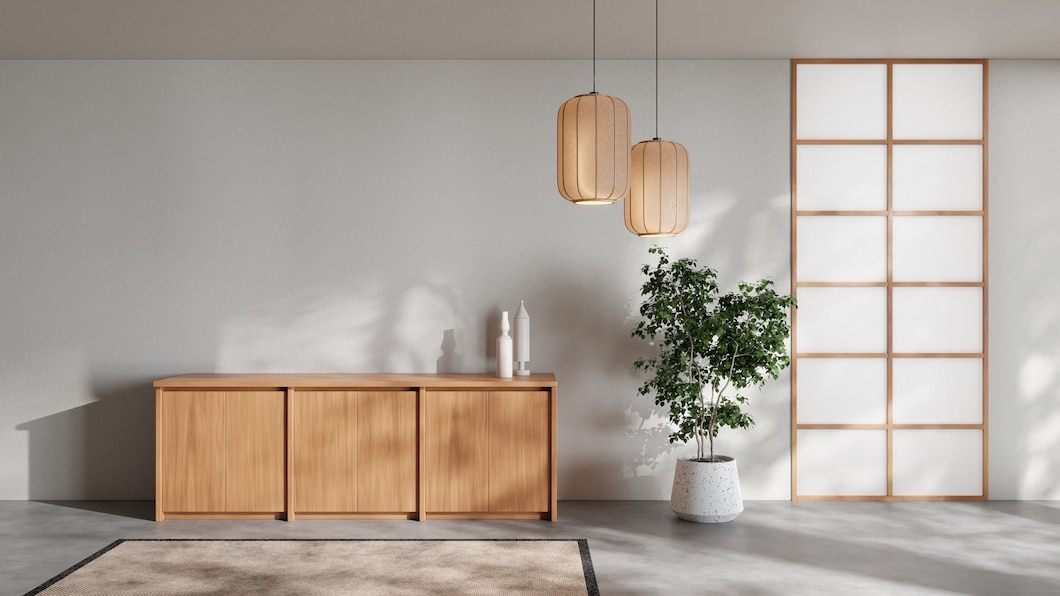
Choosing between Modern, Japandi, and Contemporary styles for your landed house design in Singapore comes down to three factors: your lifestyle, your maintenance appetite, and how you want your home to feel day to day. Modern design favours clean geometry and bold structure. Japandi blends Japanese minimalism with Scandinavian warmth. Contemporary is fluid, current, and highly adaptable. Each suits a different kind of homeowner.
What Is the Difference Between Modern, Japandi, and Contemporary Design?
These three styles are often used interchangeably, but they are distinctly different in philosophy and execution.
-
Modern design refers specifically to the mid-20th century modernist movement — think flat roofs, open floor plans, and a strict "form follows function" principle.
-
Japandi design is a fusion aesthetic combining Japanese wabi-sabi (the beauty of imperfection) with Scandinavian hygge (warmth and cosiness). It emerged as a distinct interior style around 2019–2020 and has since grown rapidly in Singapore.
-
Contemporary design reflects what is trending right now. It borrows from many movements and evolves continuously — making it more difficult to define but easier to personalise.
Side-by-Side Comparison: Modern vs Japandi vs Contemporary
|
Feature |
Modern |
Japandi |
Contemporary
|
|---|---|---|---|
|
Colour Palette |
Neutral whites, greys, black accents |
Muted earth tones, warm beige, sage |
Flexible — current trends guide choices |
|
Materials |
Concrete, steel, glass |
Natural wood, linen, bamboo, clay |
Mixed — metal, glass, natural fibres |
|
Furniture Style |
Sleek, angular, low-profile |
Low, handcrafted, functional |
Clean lines with soft curves |
|
Maintenance |
Moderate — surfaces show marks easily |
Low — natural textures hide wear |
Varies by material choices |
|
Best For |
Structured, design-forward households |
Families seeking calm, clutter-free living |
Homeowners who like to refresh regularly |
|
Space Requirement |
Works well in larger landed homes |
Adaptable to all landed home sizes |
Highly adaptable |
|
Longevity of Style |
Timeless |
Timeless |
Evolves with trends |
Modern Landed House Design: Structure, Precision, and Bold Spaces
A modern landed house in Singapore is defined by architectural clarity. Expect open-plan layouts, floor-to-ceiling windows, and a deliberate absence of ornament. The home makes a visual statement from the street — and that statement is intentional.
This style works especially well in larger terrace houses, semi-detached, and bungalows where high ceilings and expansive ground floors can be used to their full potential. The challenge? Modern interiors require discipline. A single cluttered countertop disrupts the whole aesthetic.
Who Should Choose Modern Design?
-
Homeowners who prefer structured, curated spaces over cosy, layered interiors
-
Households with fewer occupants or very organised lifestyles
-
Those investing in statement architectural features like cantilevered staircases or feature walls
Japandi Landed House Design: Calm, Warmth, and Intentional Living
Japandi is arguably the most sought-after interior style in Singapore right now. It strips away excess without stripping away warmth. Natural textures — raw wood, unglazed ceramics, handwoven textiles — bring life to pared-back spaces.
For landed homeowners in Singapore, Japandi is particularly practical. It handles the tropical humidity well when paired with the right materials, and its low-maintenance surfaces suit families with children. The palette of warm neutrals also complements Singapore's abundant natural light without making interiors feel stark or cold.
Who Should Choose Japandi Design?
-
Families who want a calming home environment without sacrificing functionality
-
Homeowners who appreciate craftsmanship and natural materials over polished finishes
-
Those who want a timeless look that does not need frequent refreshing
Contemporary Landed House Design: Flexible, Current, and Personalised
Contemporary design is the chameleon of interior styles. It pulls from modernism, minimalism, and current trends simultaneously — which gives it enormous flexibility, but also makes it harder to execute with consistency.
In Singapore's landed housing market, contemporary interiors are popular among homeowners who like to update their spaces every five to seven years. Since the style is not anchored to a fixed aesthetic, partial renovations — new soft furnishings, updated lighting, fresh upholstery — can significantly shift the overall feel without a full overhaul.
Who Should Choose Contemporary Design?
-
Homeowners who enjoy following interior trends and refreshing their spaces
-
Those who want flexibility to mix influences — a Japandi shelf unit here, a modern pendant light there
-
Households that prioritise comfort and usability alongside visual appeal
Which Style Works Best for Landed Homes in Singapore's Climate?
Singapore's tropical climate — high humidity, intense sunlight, and heavy rainfall — is a genuine factor in material and style selection. Here is how each style holds up:
-
Modern: Polished concrete and steel look striking but can retain heat. Requires good air circulation planning.
-
Japandi: Natural wood and breathable textiles manage humidity well. Lighter finishes reduce heat absorption.
-
Contemporary: Outcome depends entirely on material choices. Can be optimised for climate with the right specification.
According to the Building and Construction Authority (BCA) of Singapore, sustainable material selection and passive ventilation design are increasingly key considerations in landed home renovations — all three styles can align with green building principles when planned thoughtfully.
Maintenance Realities: What Each Style Demands Long-Term
Maintenance is rarely discussed honestly in design guides — but it matters enormously for a landed property you plan to live in for decades.
-
Modern: High-gloss surfaces, exposed concrete, and polished metals show fingerprints, watermarks, and dust readily. Regular upkeep is non-negotiable.
-
Japandi: Matte finishes, natural textures, and warm wood tones are far more forgiving. Imperfections often add to the character rather than detract from it.
-
Contemporary: Maintenance varies significantly. A contemporary home with mixed metal accents and plush upholstery demands more attention than a pared-back version.
Choosing the Right Style for Your Lifestyle
The most important question is not which style looks best in a magazine — it is which style you can actually live with. Ask yourself:
-
Do you prefer a home that feels curated and precise, or warm and organic?
-
How much time are you willing to dedicate to cleaning and upkeep?
-
Is your household likely to grow or change significantly in the next ten years?
-
Do you want a style that lasts decades, or do you enjoy updating your interiors regularly?
If your answers lean towards warmth, low maintenance, and longevity — Japandi is likely your match. If you want architectural drama and can commit to upkeep — modern design delivers. If flexibility and current relevance matter most — contemporary gives you room to evolve.
Working with an experienced interior design firm helps translate these preferences into a cohesive, practical home. Posh Living specialises in landed interior design across Singapore, helping homeowners navigate style decisions, space planning, and material selection to create homes that are beautiful and genuinely liveable.
Frequently Asked Questions
What is the most popular landed house design style in Singapore right now?
Japandi is currently one of the most requested styles for landed homes in Singapore, valued for its warm minimalism and low-maintenance finishes. Modern and contemporary designs remain strong choices for homeowners who prefer architectural boldness or flexible, trend-responsive interiors.
Can I combine Modern and Japandi elements in the same landed home?
Yes — blending styles is common and often produces the most personalised results. A modern structural shell with Japandi-inspired furnishings and materials works particularly well in Singapore landed homes, balancing visual impact with everyday comfort and warmth.
Which design style is best for families with young children in a landed house?
Japandi is generally the most family-friendly option, as its natural textures and matte finishes are forgiving of everyday wear. It also promotes a calm, clutter-conscious environment that suits family living without requiring constant maintenance or perfect tidiness.
How much does it cost to renovate a landed house in Singapore with these styles?
Renovation costs vary widely depending on scope and materials. Modern and Japandi styles using quality natural materials typically range from S150,000toS400,000 or more for full landed home renovations. Contemporary can be more budget-flexible depending on the finish level chosen.
Does the design style affect the resale value of a landed property in Singapore?
Timeless styles like Modern and Japandi tend to age more gracefully and can positively influence buyer perception. Overly trend-specific contemporary interiors may require updates before resale, though quality workmanship across all styles consistently supports strong property value.

Hey!















Comments (0)