

Clinical Pilates vs Regular Pilates: Which Is Right for You?
If you've been exploring clinical Pilates in Singapore, you've probably noticed it's not the same as the Pilates class at your neighbourhood studio.
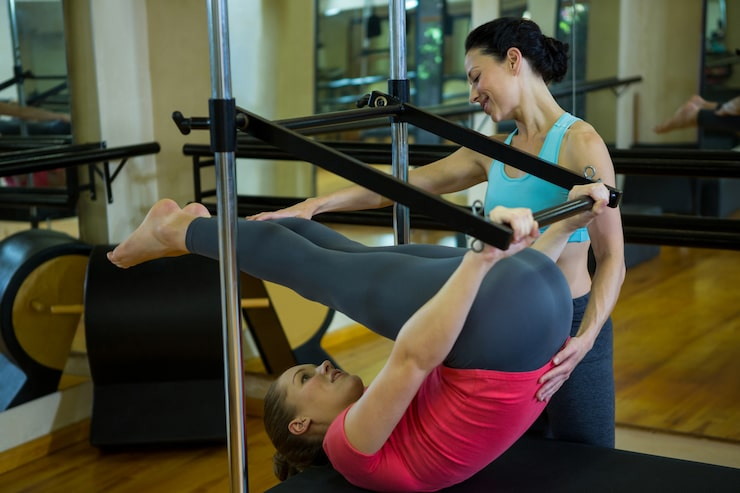
Clinical Pilates is a physiotherapy-led form of Pilates designed for injury rehabilitation and movement correction. It differs from regular Pilates in that sessions are supervised by a trained physiotherapist, begin with a full physical assessment, and use individually tailored exercises. Regular Pilates is a group-based fitness method focused on core strength, flexibility, and general conditioning.
If you've been exploring clinical Pilates in Singapore, you've probably noticed it's not the same as the Pilates class at your neighbourhood studio. One is built around your body's specific needs. The other is built around a general programme. Understanding this difference could save you time, money, and — if you're dealing with an injury — a lot of unnecessary pain.
What Is Regular Pilates?
Regular Pilates, often called mat Pilates or studio Pilates, was developed by Joseph Pilates in the early 20th century. It focuses on controlled movement, breathing, and core engagement. Classes are typically run in groups, guided by a certified Pilates instructor, and follow a structured programme that stays largely consistent across participants.
It's excellent for general fitness. You'll improve posture, build core strength, and increase flexibility over time. But the instructor's role is to guide movement quality — not to diagnose or treat physical conditions.
What Is Clinical Pilates?
Clinical Pilates is an evidence-based rehabilitation method delivered by physiotherapists or similarly qualified allied health professionals. It's not just Pilates with a fancier name. The clinical setting changes everything — from how you're assessed before your first session to how each exercise is selected, monitored, and progressed.
In Singapore, Clinical Pilates programmes are often integrated within physiotherapy clinics, where practitioners assess your musculoskeletal health before prescribing any movement. This means your programme is shaped entirely around your body — your injury history, movement patterns, muscle imbalances, and rehabilitation goals.
Key Differences Between Clinical and Regular Pilates
Here's where it becomes practical. The difference between clinical and regular Pilates comes down to five core areas: who supervises you, how you're assessed, what exercises you do, why you're doing them, and what outcome you're working towards.
|
Factor |
Regular Pilates |
Clinical Pilates
|
|---|---|---|
|
Supervision |
Certified Pilates instructor |
Physiotherapist or allied health professional |
|
Initial Assessment |
Minimal or none |
Full musculoskeletal assessment |
|
Session Type |
Group classes |
Individual or small supervised groups |
|
Exercise Selection |
Fixed class programme |
Individually tailored to your condition |
|
Primary Goal |
General fitness and wellness |
Rehabilitation, injury prevention, pain management |
|
Progression |
Class-based milestones |
Clinically guided based on your recovery |
Who Should Choose Clinical Pilates?
Clinical Pilates is not just for people recovering from surgery. It's appropriate for a wide range of conditions that affect how you move and how comfortably you live day to day.
Pilates for Rehabilitation
If you're recovering from a spinal injury, knee surgery, hip replacement, or a sports-related strain, Pilates for rehabilitation under clinical supervision ensures your exercises support healing rather than aggravate it. Physiotherapists can identify compensatory movement patterns — the subtle ways your body shifts load to avoid pain — and correct them before they become long-term problems.
Research published in the Journal of Bodywork and Movement Therapies supports the use of Clinical Pilates for managing chronic low back pain, one of the most common complaints seen in physiotherapy clinics across Singapore.
Physiotherapy Pilates for Chronic Conditions
Physiotherapy Pilates is also well-suited for individuals managing ongoing conditions such as:
-
Chronic lower back pain or disc herniation
-
Scoliosis or postural imbalances
-
Pelvic floor dysfunction
-
Osteoporosis or reduced bone density
-
Pre- and post-natal musculoskeletal changes
-
Neurological conditions affecting balance and coordination
In these cases, a physiotherapist doesn't just watch your form — they're actively monitoring your nervous system response, pain levels, and functional progress throughout each session.
Post-Surgical Recovery
Following orthopaedic surgery, returning to movement needs to be carefully sequenced. Clinical Pilates bridges the gap between early physiotherapy rehab and returning to full fitness. It retrains neuromuscular control, restores joint stability, and rebuilds functional movement — all in a controlled, supervised environment.
Who Is Regular Pilates Better For?
If you don't have a current injury, aren't managing a chronic condition, and simply want to improve your fitness, posture, or body awareness — regular Pilates is a solid choice. It's accessible, cost-effective, and widely available across Singapore in both mat and reformer formats.
It's also a great maintenance tool for people who have completed a Clinical Pilates programme and want to continue building strength without ongoing clinical supervision.
Can You Do Both?
Yes — and many people do. A common pathway in Singapore looks like this:
-
Begin with Clinical Pilates following a physiotherapy assessment
-
Progress through a supervised rehabilitation programme
-
Transition to regular Pilates or gym-based training once cleared by your physiotherapist
This staged approach ensures you're not jumping into general fitness classes with unresolved movement dysfunction — which is one of the most common reasons people re-injure themselves.
What to Expect in a Clinical Pilates Session in Singapore
Your first session will typically begin with a comprehensive physiotherapy assessment. Your practitioner will evaluate your posture, joint mobility, muscle strength, and movement patterns. From this, they build a programme specific to your condition and goals.
Sessions are usually one-on-one or in very small groups — often two to four people — so your physiotherapist can observe and correct your movement throughout. Equipment may include the Reformer, Trapeze Table, Wunda Chair, and various props, though mat-based work is also common depending on your needs.
As you progress, the programme evolves. Exercises become more challenging, loading increases, and the focus gradually shifts from pain management and stability to strength and functional performance.
Is Clinical Pilates Covered by Insurance in Singapore?
Some Medisave-accredited physiotherapy clinics in Singapore allow patients to use Medisave for outpatient physiotherapy treatments, which may include Clinical Pilates when it forms part of a structured rehabilitation plan. Coverage depends on your insurer and the specific policy terms. It's always worth checking with your clinic directly, as this can vary between providers.
Making the Right Choice for Your Body
The honest answer is this: if you're in pain, recovering from an injury, or managing a chronic musculoskeletal condition, regular group Pilates carries real risk if it's not supervised by someone qualified to adapt exercises to your needs. Clinical Pilates removes that risk entirely.
If you're in good health and looking for a low-impact fitness method, a well-run regular Pilates class will serve you well. But if you're at all unsure about whether your body is ready — start with an assessment.
The team at The Physio Studio offers Clinical Pilates programmes designed and supervised by experienced physiotherapists. Whether you're recovering from an injury or simply want to move better, their assessment-first approach ensures every session is built around what your body actually needs.
Read More: CCTV Camera Installation in Singapore: What to Expect - Premium Blogging Platform
Frequently Asked Questions
What is the main difference between clinical and regular Pilates?
Clinical Pilates is supervised by a physiotherapist and begins with a full musculoskeletal assessment, making it suitable for injury rehabilitation and chronic conditions. Regular Pilates is instructor-led, group-based, and focused on general fitness. The key distinction is clinical oversight and individualised exercise prescription versus a standardised class programme.
Is clinical Pilates suitable for beginners with no injuries?
Yes. Clinical Pilates benefits anyone who wants to understand their movement patterns and build a strong foundation. A physiotherapist can identify subtle imbalances or weaknesses before they become injuries, making it a smart starting point even if you're not currently experiencing pain or recovering from anything specific.
How many clinical Pilates sessions do I need before seeing results?
Most people notice improvements in pain levels and movement quality within four to six sessions. Significant functional progress typically occurs over eight to twelve weeks of consistent practice. Your physiotherapist will reassess your progress regularly and adjust your programme to keep it aligned with your rehabilitation or fitness goals.
Can clinical Pilates help with lower back pain in Singapore?
Yes. Clinical Pilates is one of the most evidence-backed movement-based therapies for chronic lower back pain. Under physiotherapy supervision, exercises target deep spinal stabilisers, address movement compensations, and gradually restore functional strength — all of which directly contribute to reducing pain and preventing recurrence.
Do I need a doctor's referral for clinical Pilates in Singapore?
No referral is typically required to book a Clinical Pilates session at a physiotherapy clinic in Singapore. However, if you plan to use Medisave or insurance, a doctor's referral or diagnosis may be needed depending on your provider's requirements. It's best to confirm directly with the clinic beforehand.
What equipment is used in clinical Pilates sessions?
Clinical Pilates sessions commonly use the Reformer, Trapeze Table, Wunda Chair, and resistance-based props. Mat exercises are also incorporated depending on your condition and goals. Equipment selection is always guided by your physiotherapist based on your assessment findings and current stage of rehabilitation or conditioning.

Hey!

















Comments (0)