

CCTV Camera Installation in Singapore: What to Expect

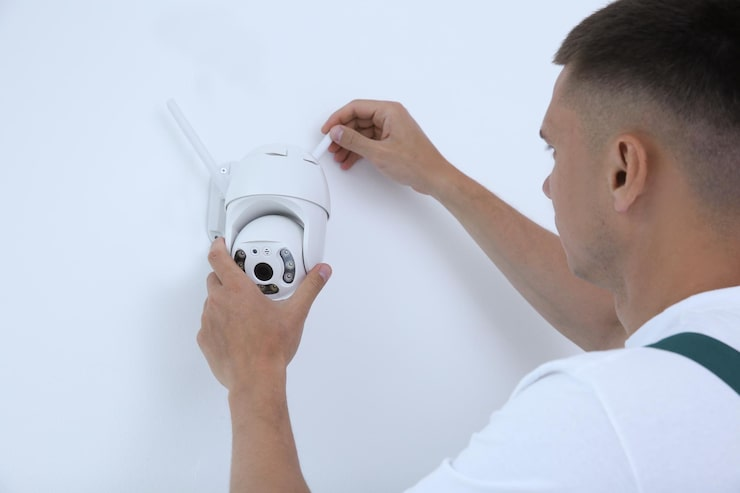
Getting a CCTV system installed involves several key stages: a site assessment to identify coverage needs, camera selection based on location and lighting conditions, physical mounting and cable routing, and finally system configuration and testing. The full process typically takes one to two days for a standard residential or small commercial setup, depending on the number of cameras and site complexity.
Whether you are protecting a HDB flat, a landed property, or a retail shopfront, understanding the CCTV camera installation process helps you make informed decisions — and avoid costly surprises. Here is exactly what to expect, from the first site visit to the moment your cameras go live.
Stage 1: Site Assessment — Where It All Begins
Before a single cable is run or camera is mounted, a professional CCTV installer will conduct a site assessment. This is one of the most important steps in the entire process, yet it is often overlooked when homeowners opt for DIY systems.
During the assessment, the installer will:
-
Walk through the property to identify blind spots and high-risk entry points
-
Evaluate lighting conditions — natural light, artificial light, and areas prone to glare
-
Assess wall and ceiling materials that affect cable routing and mounting options
-
Determine the best position for the Network Video Recorder (NVR) or Digital Video Recorder (DVR)
-
Check for existing network infrastructure or power sources that can be used
In Singapore, common entry points flagged during assessments include main gates, lift lobbies (for landed properties with multi-level access), car porch areas, and rear service entrances. A thorough site survey ensures cameras are placed where they will actually capture useful footage — not just mounted in random spots.
Stage 2: Choosing the Right Cameras for Your Property
Camera selection is not one-size-fits-all. The type of camera recommended will depend on the specific zone it needs to cover and the environmental conditions it will face.
Indoor vs. Outdoor Cameras
Outdoor cameras in Singapore need to be IP65 or IP66-rated to withstand the tropical climate — heavy rainfall, high humidity, and direct sunlight are year-round considerations. Indoor cameras, typically used for living areas, reception spaces, or server rooms, have fewer weatherproofing requirements but benefit from wide-angle lenses and low-light capability.
Camera Types Commonly Used in Singapore
|
Camera Type |
Best For |
Key Feature
|
|---|---|---|
|
Dome Camera |
Indoor lobbies, retail spaces |
Discreet, wide-angle coverage |
|
Bullet Camera |
Car porches, perimeter fencing |
Long-range, directional focus |
|
PTZ Camera |
Large commercial spaces |
Pan, tilt, and zoom control |
|
IP Camera |
Modern homes and offices |
High resolution, remote access |
|
Fisheye Camera |
Open floor plans, warehouses |
360-degree panoramic view |
Resolution also matters. Most installers in Singapore now recommend a minimum of 2MP (1080p) for general use, with 4MP or 8MP (4K) options for areas requiring licence plate recognition or facial identification.
Stage 3: Cabling and Physical Installation
This is the most labour-intensive stage of the CCTV installation process. How cables are routed determines both the aesthetic finish and the long-term reliability of the system.
For wired systems, Cat6 ethernet cables are standard for IP camera setups, while coaxial cables are used for older analogue or HD-CVI systems. A skilled installer will:
-
Conceal cables within conduit or run them through ceiling voids and wall cavities where possible
-
Use weatherproof conduit for any outdoor cable runs exposed to rain
-
Minimise visible cabling for a clean finish, particularly in residential settings
-
Ensure cable runs do not exceed maximum length limits that would degrade signal quality
For homes where extensive cabling is not practical — older HDB units or rented properties — wireless IP cameras connected over Wi-Fi or PoE (Power over Ethernet) switches offer a cleaner alternative. That said, wired systems remain the preferred choice for commercial properties and high-security installations due to their reliability and resistance to signal interference.
Stage 4: Recorder Setup and Storage Configuration
Once cameras are mounted and cabled, the installer will set up the recording device — either an NVR for IP systems or a DVR for analogue systems. This involves:
-
Configuring each camera channel with the correct resolution and frame rate
-
Setting motion detection zones to reduce unnecessary recording and storage use
-
Configuring recording schedules — continuous, motion-triggered, or time-based
-
Installing and formatting hard drives (typically 1TB to 4TB for residential use)
Storage requirements vary based on resolution, frame rate, and the number of cameras. As a general guide, a four-camera 1080p system recording continuously will use approximately 1TB of storage every 10 to 15 days. Motion-triggered recording significantly extends this.
Stage 5: Remote Access and Mobile App Setup
Modern CCTV systems in Singapore almost universally offer remote viewing via a smartphone app. After the physical installation, your installer should configure remote access so you can monitor your property in real time from anywhere.
This setup typically involves connecting the recorder to your home or office network, assigning a static IP or configuring DDNS (Dynamic DNS), and linking the device to a mobile application. Most reputable brands — including Hikvision, Dahua, and Uniview — provide dedicated apps that support live view, playback, and push notifications for motion events.
What Singapore Regulations Say About CCTV Use
It is important to note that CCTV usage in Singapore is governed by the Personal Data Protection Act (PDPA), administered by the Personal Data Protection Commission (PDPC). If your cameras capture footage of individuals in common areas or shared spaces, you are considered a data controller and have obligations around data retention, access, and notification.
For residential users, the key rule is straightforward: cameras should not be angled to record inside a neighbour's home or private spaces. For businesses, a visible CCTV notice is strongly recommended. The PDPC has published advisory guidelines specifically for CCTV use that are worth reviewing before your system goes live.
CCTV Installation in Singapore: Typical Costs and Timelines
For a standard residential installation in Singapore, costs typically range from SGD $400 to SGD $1,200 for a four-camera system, including hardware, cabling, and labour. Commercial installations with more cameras, PTZ units, or structured cabling requirements will naturally cost more.
Timeline-wise, most security camera installation jobs for homes are completed within half a day to a full working day. Larger commercial projects may span two to three days depending on site complexity.
Questions to Ask Your CCTV Installer Before You Commit
Not every installer delivers the same quality of work. Before signing off, ask these questions:
-
Do you provide a warranty on both hardware and labour?
-
How are cables concealed, and what finishing will be visible?
-
Will you walk me through remote access setup and app configuration?
-
What happens if a camera or recorder develops a fault after installation?
-
Are your cameras compliant with Singapore's PDPA requirements?
A reliable CCTV installer in Singapore will answer all of these clearly and without hesitation. If the response is vague, that tells you something important.
If you are ready to take the next step, BDETech offers professional CCTV solutions for both residential and commercial properties across Singapore — from site assessment through to aftercare support.
Frequently Asked Questions
How long does a CCTV camera installation take in Singapore?
A standard residential CCTV installation typically takes between four to eight hours. Larger commercial projects with more cameras, complex cabling, or structured network requirements may take two to three days to complete properly.
Do I need permission to install CCTV at my HDB flat in Singapore?
HDB residents do not need prior approval for cameras installed within their own unit. However, cameras must not be positioned to record common corridors, void decks, or neighbouring units, as this may conflict with HDB guidelines and the PDPA.
What is the difference between NVR and DVR in a CCTV system?
An NVR (Network Video Recorder) works with IP cameras over a network connection and supports higher resolutions. A DVR (Digital Video Recorder) connects to analogue cameras via coaxial cable. Most new installations in Singapore use NVR-based systems for better image quality and remote access.
Can CCTV cameras work without internet in Singapore?
Yes. Wired CCTV systems record locally to a hard drive and do not require an internet connection to function. Internet is only needed if you want to enable remote viewing, receive motion alerts on your phone, or access footage offsite.
How many cameras do I need for a typical Singapore home?
Most landed properties in Singapore are well covered by four to six cameras — typically covering the main entrance, car porch, rear access, and key indoor spaces. HDB flats usually require two to three cameras for adequate coverage of entry points.
Is CCTV footage considered personal data under Singapore's PDPA?
Yes. Under the PDPA, video footage that captures identifiable individuals is considered personal data. Businesses operating CCTV systems must inform individuals of recording through visible notices and comply with data retention and access obligations set by the PDPC.















Comments (0)