

Flexible LED Display vs Traditional LED Screen: Which Is Better?
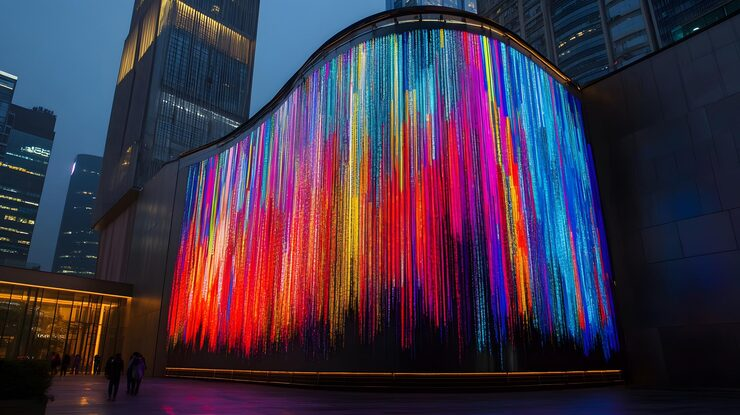
A flexible LED display uses bendable PCB substrates and soft module designs that curve, wrap, or contour around non-flat surfaces. Traditional LED screens use rigid aluminium cabinets fixed to flat structures. For installations requiring curved surfaces, unconventional shapes, or architectural integration, flexible displays offer clear advantages. For straightforward flat-wall digital signage, rigid screens remain cost-effective and proven.
If you are a business owner, procurement manager, or AV buyer in Singapore evaluating your next display investment, the choice between these two technologies carries real consequences — for your budget, installation timeline, and long-term brand impact. This guide breaks down every key factor so you can make a confident decision.
What Is a Flexible LED Display?
A flexible LED display uses soft, pliable modules that can bend to specific radii without damaging the LEDs or circuitry. The modules are mounted on flexible PCBs rather than rigid metal frames, allowing them to curve inward (concave), curve outward (convex), or wrap around cylindrical and irregular structures.
These displays are increasingly used in retail flagship stores, hotel lobbies, event stages, and architectural façades across Singapore and the broader Southeast Asia region — anywhere a standard flat screen would look out of place or miss a design opportunity.
What Is a Traditional LED Screen?
Traditional LED displays — also called rigid LED screens — are built from fixed aluminium or die-cast cabinet panels. They are designed for flat-surface mounting and deliver excellent brightness, consistent colour uniformity, and straightforward serviceability.
Indoor and outdoor rigid LED walls are the backbone of digital advertising, control rooms, sports venues, and corporate boardrooms. They are reliable, widely available, and supported by a mature supply chain in Singapore.
Flexible LED vs Rigid LED: Head-to-Head Comparison
|
Factor |
Flexible LED Display |
Traditional LED Screen
|
|---|---|---|
|
Shape Capability |
Curved, cylindrical, wave, custom contour |
Flat surfaces only |
|
Weight |
Lighter — soft modules reduce structural load |
Heavier — aluminium cabinets add significant weight |
|
Installation Complexity |
Moderate to high — custom frameworks often required |
Low to moderate — standard mounting systems available |
|
Design Flexibility |
Very high — suits architectural and creative briefs |
Limited to flat or tiled flat configurations |
|
Cost |
Higher upfront — premium modules and custom engineering |
Lower upfront — mature, competitive market pricing |
|
Maintenance |
Module-level replacement; some models front-serviceable |
Front or rear access; cabinet-level servicing |
|
Durability |
High — designed for flex without cracking |
High — proven over decades of use |
|
Typical Applications |
Retail, hospitality, events, architectural features |
Advertising, control rooms, stadiums, boardrooms |
Design Possibilities: Where Flexible Displays Pull Ahead
This is where the gap is most visible. A curved LED screen can wrap around pillars, follow the arc of a reception desk, or create an immersive tunnel effect that a flat panel simply cannot replicate. For Singapore's competitive retail and hospitality sectors, visual differentiation is a real commercial advantage.
Architectural LED installations on building façades, shopping mall atriums, and hotel lobbies increasingly use flexible modules because they follow the geometry of the space rather than forcing the space to accommodate the screen. The result is a cleaner, more integrated look that elevates the surrounding environment.
When a Curved LED Screen Makes Business Sense
-
Retail flagship stores seeking immersive brand environments
-
Hotel lobbies and entertainment venues requiring bespoke visual features
-
Event production companies building touring or modular stage sets
-
Architects and interior designers integrating displays into non-flat surfaces
-
Corporate headquarters using display walls as design statements
Installation: What You Need to Know Before Committing
Traditional LED display installations follow well-established procedures. Steel frames are built, cabinet panels are mounted and locked together, and the system is calibrated. Most experienced AV contractors in Singapore can complete a standard flat LED wall installation without issue.
Flexible LED installations require more upfront engineering. The supporting structure must be fabricated to match the intended curve or shape, and the modules must be aligned carefully to avoid visible seams at bending points. Lead times are generally longer, and you will want a supplier with proven experience in non-flat LED builds — not just a vendor who sells the panels.
Weight and Structural Considerations
Weight is a practical factor that procurement teams in Singapore often underestimate during early-stage planning. Rigid cabinet LED panels — particularly outdoor-rated ones — can weigh between 25 kg and 50 kg per cabinet. A large indoor video wall can place significant load on a building's wall or ceiling structure.
Flexible LED modules are substantially lighter because they eliminate the heavy aluminium cabinet. This makes them suitable for temporary event installations, suspended ceiling features, and heritage buildings where structural modifications are restricted. Always verify load ratings with a qualified structural engineer before any installation.
Maintenance and Long-Term Reliability
Both technologies are mature and reliable when sourced from reputable manufacturers. The key maintenance difference lies in how modules are accessed and replaced.
Rigid LED walls typically allow front-access servicing on higher-end models, which simplifies maintenance without requiring rear access. Flexible LED systems vary — some use magnetic front-serviceable modules, while others require partial disassembly of the support frame. Clarify serviceability with your supplier before purchase, particularly for permanent installations in hard-to-reach locations.
Cost: Upfront vs Long-Term Value
Traditional LED displays carry a lower upfront cost per square metre. The technology is commoditised, competition among suppliers is strong, and installation workflows are efficient.
Flexible LED displays cost more — both in panels and in installation. However, the business case often justifies the premium. A striking curved installation in a flagship retail space or a luxury hotel lobby generates lasting brand impact that a flat screen in the same location simply would not. The ROI calculation should factor in audience engagement, dwell time, and brand positioning — not just hardware cost.
Which Should You Choose?
Choose a traditional LED display when your installation surface is flat, your budget is defined, your timeline is tight, or your use case is functional rather than experiential — digital signage, information displays, advertising boards, or meeting room screens.
Choose a flexible LED display when your project demands a curved, wrapped, or custom shape, when the display is a design centrepiece, or when differentiation from competitors is a primary objective. For businesses in Singapore's retail, hospitality, and events industries, the investment in a flexible solution consistently delivers visible results.
Visual King supplies both flexible and traditional LED display solutions in Singapore, with end-to-end support covering design consultation, structural engineering, installation, and after-sales maintenance. Their team works with business owners, procurement teams, and AV integrators to match the right display technology to each project's specific requirements.
Frequently Asked Questions
What is the main difference between a flexible LED display and a traditional LED screen?
A flexible LED display uses bendable modules that can curve or wrap around non-flat surfaces, while a traditional LED screen uses rigid aluminium cabinets designed for flat installations. Flexible displays suit creative and architectural applications; rigid screens are ideal for standard flat-wall digital signage and advertising.
Is a flexible LED display more expensive than a rigid LED screen?
Yes, flexible LED displays generally carry a higher upfront cost due to specialised module materials and custom installation frameworks. However, for high-impact retail or hospitality environments in Singapore, the long-term brand and engagement value often justifies the premium investment over a standard flat-panel solution.
Can a curved LED screen be used outdoors in Singapore's climate?
Yes, outdoor-rated curved LED screens are available with IP65 or higher weatherproof ratings, making them suitable for Singapore's humid tropical climate. Buyers should confirm the ingress protection rating, operating temperature range, and UV resistance with their supplier before specifying a curved display for any external installation.
How difficult is it to maintain a flexible LED display?
Maintenance complexity depends on the product design. Many modern flexible LED modules are front-serviceable with magnetic attachment, allowing quick replacement without dismantling the support frame. Buyers should confirm the serviceability method and spare parts availability with their supplier before committing to a permanent installation.
What industries in Singapore benefit most from flexible LED displays?
Retail, hospitality, events, and corporate environments benefit most. Singapore's competitive retail and luxury hospitality sectors use flexible LED displays to create immersive brand environments that flat screens cannot replicate. Event production companies also use flexible modules for touring stage sets due to their lighter weight and custom-shape capability.
How do I decide between a flexible LED display and a traditional LED display for my project?
Assess your installation surface, design brief, and budget. If the surface is flat and the goal is functional digital communication, a traditional display is the efficient choice. If the display is a design centrepiece or must follow a curved architectural surface, a flexible LED solution is the appropriate and commercially justified option.

Hey!















Comments (0)