

What Happens When Attic Insulation Blocks Proper Access to Electrical Components?
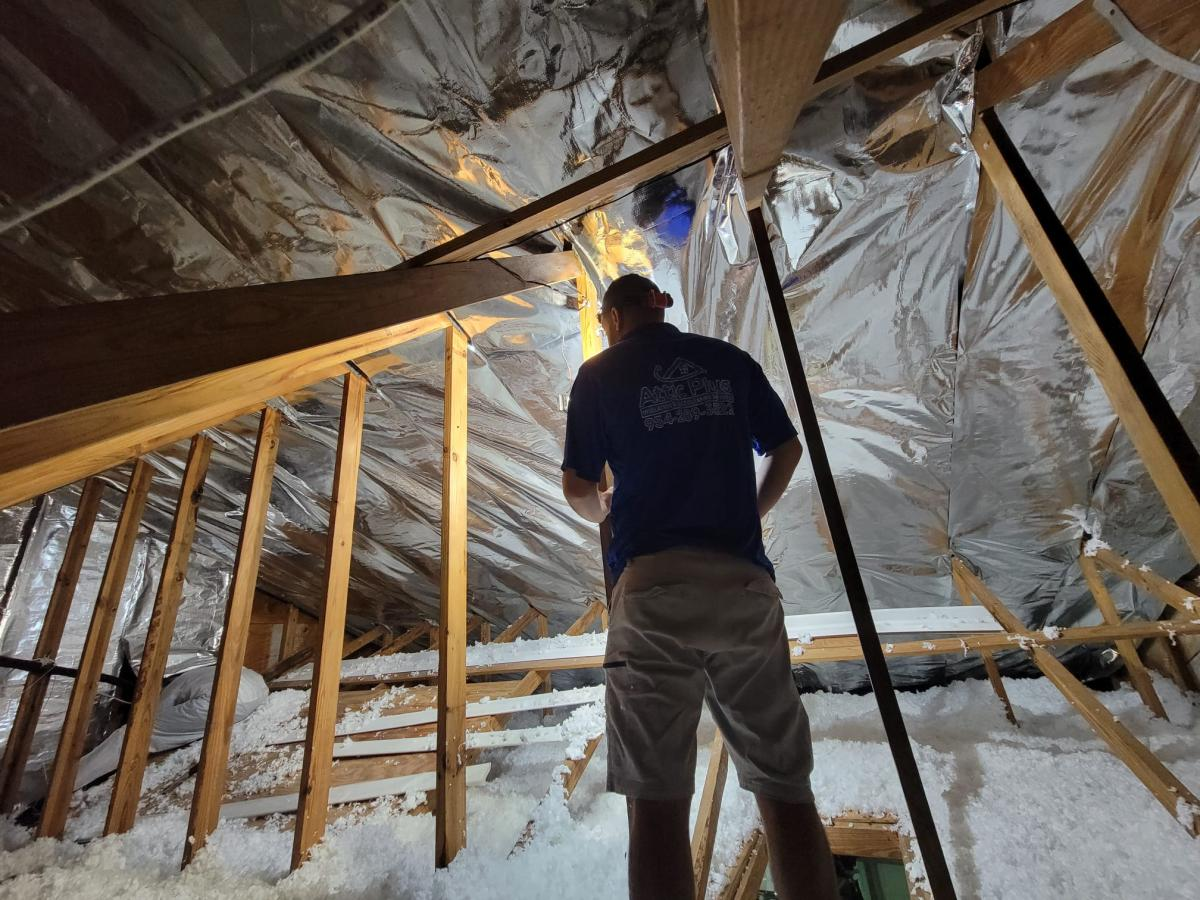
Attic insulation plays an important role in maintaining indoor comfort, improving energy efficiency, and reducing the amount of heat that enters or escapes a home. However, insulation installation requires more than simply covering the attic floor with insulating material. Homeowners must also consider the location of electrical wiring, junction boxes, lighting fixtures, switches, and other electrical components. When attic insulation blocks access to these areas, it can create safety concerns and make future electrical maintenance more difficult.
Electrical systems require proper access for inspection, repairs, and troubleshooting. If insulation covers important components, homeowners or electricians may struggle to locate them when problems occur. In some situations, improperly installed insulation can also contribute to overheating concerns, particularly when it covers electrical equipment that requires adequate clearance or ventilation.
Understanding how attic insulation affects electrical access can help homeowners make better decisions about insulation installation and attic maintenance. Proper planning ensures that the attic remains energy-efficient while allowing electrical components to remain accessible and safe.
Why Electrical Access Matters in an Insulated Attic
An attic contains several electrical components that homeowners may not think about regularly. These can include junction boxes, wiring connections, electrical outlets, recessed lights, exhaust fans, transformers, and ventilation equipment. Although many of these components operate without requiring frequent attention, they may need inspection or repairs over time.
Electricians must be able to locate electrical connections and safely reach them when performing maintenance. If insulation completely covers these components, finding them can become challenging. An electrician may need to move insulation carefully before beginning work, increasing the time required to complete even a simple repair.
Blocked access can also create problems during home inspections, electrical upgrades, and troubleshooting. For example, if a homeowner experiences an electrical issue involving an attic junction box, an electrician needs to identify its location and inspect the connections.
Keeping electrical components visible, properly identified, and accessible makes these tasks easier. A well-planned insulation project should improve energy efficiency without creating unnecessary obstacles for electrical maintenance.
How Attic Insulation Can Block Electrical Components
Insulation materials are designed to cover specific areas and reduce heat transfer. However, problems can occur when materials are installed without considering existing electrical equipment.
Several situations can result in restricted electrical access.
Covering Electrical Junction Boxes
Junction boxes contain electrical wire connections and protect those connections from physical damage. These boxes must remain accessible so electricians can inspect or service them when necessary.
When blown-in insulation, fiberglass batts, or other materials completely cover a junction box, locating it can become difficult. A technician may have to search through the insulation to identify the box before performing maintenance.
Junction boxes generally must remain accessible rather than being permanently concealed behind insulation or other building materials. Homeowners should ensure that insulation installation does not interfere with the ability to locate and open these boxes.
Covering Electrical Wiring
Electrical wiring often runs through attic spaces, along ceiling joists, and around structural components. Insulation may cover portions of wiring during installation, but the material must be appropriate for the wiring type and installation conditions.
Some electrical cables may be rated for direct contact with insulation, while others may require specific installation clearances. Homeowners should not assume that every wire can safely be buried under any insulation material.
Incorrect installation may make future inspections more difficult and could contribute to overheating concerns if the wiring is not suitable for the surrounding conditions.
Blocking Recessed Lighting Fixtures
Recessed lighting is another important consideration during attic insulation projects. Some recessed fixtures are rated for direct contact with insulation, while older or non-IC-rated fixtures may require clearance to prevent overheating.
Covering a fixture that is not approved for insulation contact can create a potential fire hazard.
Before adding insulation around recessed lights, homeowners should determine whether the fixtures are insulation-contact rated and follow the manufacturer's clearance requirements. Proper protection and installation methods help prevent insulation from interfering with fixture operation.
Covering Electrical Equipment
Attics may contain transformers, ventilation controls, fan connections, and other electrical equipment. These components may require specific clearances or ventilation conditions.
If insulation covers equipment that needs airflow or regular servicing, it can make maintenance difficult and potentially affect its operation.
An insulation contractor should identify these areas before beginning work and follow the applicable electrical and building requirements.
Potential Safety Risks of Blocked Electrical Access
Blocking electrical components with attic insulation is not simply a maintenance inconvenience. Depending on the equipment and installation conditions, it may also introduce safety concerns.
Increased Fire Risk
One of the most important concerns involves heat buildup around electrical components. Certain electrical devices generate heat during normal operation. If insulation covers equipment that is not designed for insulation contact, heat may accumulate instead of dissipating properly.
This can increase the risk of overheating and potentially create a fire hazard.
For example, placing insulation directly over a non-IC-rated recessed light without maintaining the required clearance can create dangerous conditions. Proper fixture identification and installation practices are essential.
Delayed Electrical Repairs
When electrical components are difficult to locate, troubleshooting can take longer. An electrician may need to move insulation, identify wiring routes, and locate junction boxes before beginning the actual repair.
This can increase labor requirements and make routine maintenance more complicated.
Keeping access points clearly identified helps reduce unnecessary delays and supports more efficient electrical work.
Difficulty During Home Inspections
Home inspections may involve checking accessible electrical connections and evaluating attic conditions. If insulation hides junction boxes or other important components, inspectors may have difficulty examining those areas.
This could result in additional inspection recommendations or requests for improved access.
Homeowners preparing to sell their property should pay particular attention to attic conditions, especially if insulation was recently installed or upgraded.
Problems During Electrical Upgrades
Homeowners may eventually need additional lighting, ceiling fans, ventilation equipment, or wiring upgrades. These projects often require electricians to access existing attic components.
When insulation blocks important areas, contractors may need to remove or reposition materials before starting work.
Maintaining organized attic spaces can make future improvements easier and reduce unnecessary disruption.
Does Batt Insulation Create Electrical Access Problems?
Batt insulation is commonly used in residential attics because it comes in pre-cut sections or rolls that fit between structural framing members. Fiberglass batt insulation can provide effective thermal protection when installed correctly.
However, problems can develop if batt insulation is forced around electrical components without following the required installation guidelines.
For example, tightly compressing insulation around wiring or placing it over equipment that requires clearance can interfere with proper installation conditions.
Professional Batt Insulation Installation should account for electrical boxes, wiring routes, recessed fixtures, and other attic equipment before materials are positioned.
Proper installation involves cutting and fitting insulation carefully rather than simply covering every available surface. Contractors should also avoid compressing batt insulation because compression can reduce its thermal performance.
Homeowners should remember that insulation effectiveness and electrical safety must be considered together. The goal is to create a continuous thermal barrier while maintaining the necessary access and clearances around electrical components.
How to Maintain Electrical Access During Attic Insulation Installation
Preventing electrical access problems begins before insulation materials are installed. A properly planned project considers existing electrical systems and identifies areas that require special attention.
Identify Electrical Components Before Installation
Before starting an insulation project, inspect the attic and identify visible electrical equipment.
Pay attention to:
-
Electrical junction boxes
-
Exposed wiring and cable connections
-
Recessed lighting fixtures
-
Exhaust fan connections
-
Transformers and electrical controls
-
Equipment requiring ventilation or service clearance
Identifying these components helps contractors determine where insulation can be installed safely and where additional precautions are necessary.
Keep Junction Boxes Accessible
Electrical junction boxes should not be permanently buried beneath insulation. Their locations should remain identifiable, and access should be maintained in accordance with applicable electrical codes.
If insulation covers an area around a junction box, an appropriate access arrangement may be necessary.
Contractors should follow local requirements rather than assuming that marking a buried box automatically makes it accessible.
Follow Manufacturer Requirements
Different electrical components have different installation requirements. Recessed lights, transformers, fans, and other equipment may have specific clearance or insulation-contact instructions.
Always check the manufacturer's documentation before placing insulation near these components.
Following these instructions helps prevent improper installation and reduces potential safety concerns.
Avoid Compressing or Moving Wiring
Insulation installers should work carefully around existing electrical wiring. Pulling, bending, or compressing cables unnecessarily can damage their protective coverings or connections.
If wiring appears damaged, exposed, or improperly installed, homeowners should arrange for an electrician to inspect it before insulation work continues.
Plan for Future Maintenance
An attic should not become unnecessarily difficult to navigate after insulation installation. Contractors should consider access routes, service areas, and locations where future electrical maintenance may be required.
A well-organized attic makes it easier to inspect electrical systems, maintain ventilation equipment, and perform necessary repairs.
DIY vs. Professional Attic Insulation Installation
Some homeowners consider installing attic insulation themselves to reduce project expenses. While smaller insulation projects may appear straightforward, working around electrical components requires careful planning and knowledge of installation requirements.
DIY installation can lead to problems when homeowners are unfamiliar with electrical clearances, insulation contact ratings, or the correct placement of different materials.
For example, a homeowner may unintentionally cover a junction box, compress batt insulation around wiring, or place insulation too close to a recessed light that requires clearance.
Professional contractors understand that attic insulation involves more than selecting an appropriate material. They evaluate the existing attic conditions, identify potential installation challenges, and determine how insulation can be added without interfering with electrical equipment.
Choosing Professional Attic Insulation Installation can help homeowners avoid common installation mistakes and achieve more consistent insulation coverage.
Professional installation is particularly helpful when an attic contains older electrical systems, complicated wiring arrangements, multiple recessed fixtures, or limited working space.
If contractors identify damaged wiring, questionable electrical connections, or unsafe equipment, a qualified electrician should address those issues before insulation work proceeds.
Why Local Attic Conditions Matter in Boca Raton
Homes in Boca Raton experience warm temperatures and significant humidity throughout much of the year. These conditions make effective attic insulation an important part of maintaining comfortable indoor spaces.
When attic temperatures rise, heat can transfer into living areas and increase the workload on air conditioning systems. Proper insulation helps slow this heat transfer and supports more consistent indoor temperatures.
However, improving thermal performance should never come at the expense of electrical safety.
Homeowners considering an insulation upgrade can explore Attic Insulation Boca Raton to learn about local attic insulation services and solutions.
A properly planned installation should consider the home's existing electrical components, ventilation arrangements, attic structure, and insulation requirements.
Because South Florida homes may have different attic configurations and existing electrical installations, evaluating the space before starting work is important. Professional assessment helps determine the appropriate insulation approach while accounting for the home's specific conditions.
Signs Your Existing Attic Insulation May Be Blocking Electrical Access
Homeowners may not realize that electrical components are hidden beneath insulation until maintenance becomes necessary. However, a few warning signs can indicate that the attic needs attention.
Look for the following conditions:
-
Junction boxes that cannot be located because of thick insulation coverage.
-
Recessed lights surrounded by insulation without clear information about their insulation-contact rating.
-
Electrical equipment covered despite manufacturer clearance requirements.
-
Wiring that appears damaged, exposed, or improperly positioned.
-
Areas where insulation has been pushed into electrical enclosures or ventilation equipment.
-
Difficulty reaching electrical components during routine attic inspections.
If you notice any of these issues, avoid moving electrical wiring or opening electrical enclosures yourself. Have a qualified professional evaluate the situation and recommend the appropriate corrective steps.
Frequently Asked Questions
Can attic insulation cover electrical junction boxes?
Junction boxes must remain accessible for inspection and maintenance. They should not be permanently buried beneath insulation. Installation should follow applicable electrical codes and local requirements.
Is it safe to put fiberglass insulation over electrical wires?
Some electrical cables are approved for contact with insulation, while others require specific clearances. The wiring type, installation conditions, and manufacturer's instructions determine what is appropriate.
Can insulation cause recessed lights to overheat?
Yes. Insulation covering recessed lights that are not rated for direct insulation contact can contribute to overheating. Homeowners should verify fixture ratings and maintain required clearances.
Should I remove insulation covering an electrical component?
Do not immediately pull insulation away if electrical wiring or equipment is involved. Have a qualified professional identify the component and determine the safest way to restore access.
Why should I hire a professional for attic insulation?
Professional installers can evaluate attic conditions, select suitable insulation materials, and account for electrical components, ventilation, and access requirements. This helps reduce installation mistakes and supports long-term performance.
Conclusion
Attic insulation is essential for improving home comfort and reducing unwanted heat transfer, but it should never prevent access to important electrical components. Covering junction boxes, improperly insulating recessed lighting, or interfering with electrical equipment can create maintenance difficulties and potential safety hazards.
The best approach is to plan insulation installation around the existing electrical system. Keeping junction boxes accessible, following manufacturer clearance requirements, and avoiding interference with wiring helps create a safer and more functional attic.
For homeowners in Boca Raton and surrounding South Florida communities, working with experienced insulation professionals can make it easier to achieve effective insulation coverage while accounting for electrical safety and future maintenance needs.

Attic Insulation Plus is a professional insulation company serving homeowners and businesses across South Florida. The company provides spray foam, blown-in, batt insulation, radiant barriers, attic sanitization, and air duct cleaning services. With experienced technicians, quality materials, and a strong focus on customer satisfaction, Attic Insulation Plus helps improve energy efficiency, indoor comfort, and air quality. Its team delivers tailored solutions for each property, with careful installation and attention to detail from start to finish. Visit us: https://www.atticinsulationplus.com/















Comments (0)