

How Can Early Communication Skills Therapy Support Children's Speech, Language, and Social Development?
Early communication development plays an important role in a child's speech, language, and social growth. Communication skills therapy helps children improve speech clarity, vocabulary, listening, understanding, and social interactions through engaging, age-appropriate activities. With early support and consistent practice, children can build confidence and express themselves more effectively. Kids In Motion Therapies focuses on child-centred, play-based approaches that encourage communication development, independence, and meaningful everyday interactions.
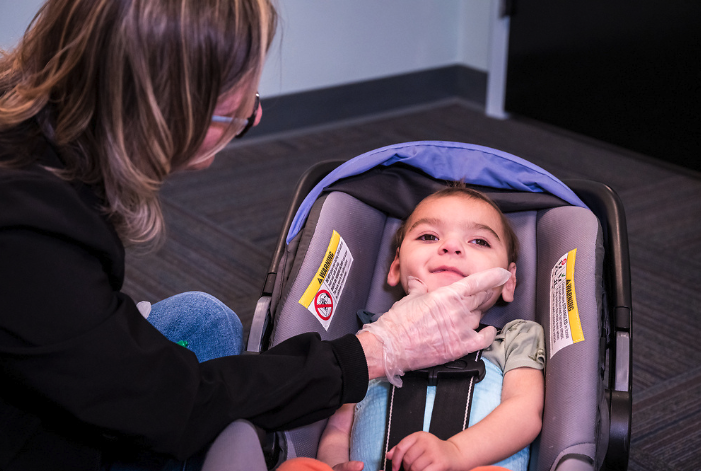
Communication is an essential part of a child's development. From expressing basic needs and sharing feelings to participating in conversations and building friendships, communication skills influence almost every aspect of childhood. However, some children may find it difficult to pronounce words, understand instructions, express their thoughts, or interact comfortably with others. These challenges can affect their confidence, learning experiences, and social participation.
Early support can help children develop the abilities they need to communicate more effectively. Communication skills therapy focuses on strengthening speech, language, listening, and social interaction through structured and engaging activities. With the right guidance and consistent practice, children can gradually become more confident in expressing themselves. Kids In Motion Therapies supports children's development through child-centred therapeutic approaches that make learning meaningful and enjoyable.
Why Is Early Communication Development Important for Children?
Early childhood is an important stage for developing speech and language abilities. During this period, children begin recognising sounds, learning words, understanding instructions, and using language to communicate with people around them.
These abilities help children express their needs, understand others, participate in classroom activities, and develop meaningful relationships. When communication difficulties are present, children may experience frustration because they cannot easily explain what they want or how they feel.
Early developmental support can help identify areas where a child may need additional guidance. Communication skills therapy provides opportunities to practise important language and interaction abilities in a supportive environment. Addressing concerns early can help children build a stronger foundation for communication as they grow.
How Does Communication Skills Therapy Support Speech Development?
Speech development involves learning how to produce sounds, pronounce words, and combine sounds to communicate clearly. Some children may experience difficulties with particular sounds, pronunciation, or speech clarity, making it harder for others to understand them.
Communication skills therapy can include age-appropriate exercises that encourage children to practise sound production and develop clearer speech patterns. Depending on individual needs, activities may involve listening exercises, sound recognition, repetition, and guided speaking practice.
Speech therapy also helps children become more comfortable using spoken language in everyday situations. Through regular practice and positive encouragement, children can gradually develop greater confidence when communicating with family members, teachers, and friends.
How Can Therapy Improve Language and Vocabulary Skills?
Language development involves understanding and using words to communicate ideas, thoughts, and information. Children need receptive language skills to understand what others say and expressive language skills to share their own messages.
Some children may find it challenging to follow instructions, learn new vocabulary, form sentences, or answer questions. These difficulties can influence their ability to participate in conversations and classroom learning.
Therapeutic activities can help children strengthen their language abilities through storytelling, picture recognition, naming objects, answering questions, and describing everyday experiences. These exercises encourage children to understand new words and use them in meaningful contexts.
At Kids In Motion Therapies, engaging and child-focused experiences can make learning more enjoyable while encouraging children to develop communication abilities at their own pace.
Why Are Social Communication Skills Important?
Communication involves more than speaking and understanding words. Children also need social communication skills to interact with others, understand social situations, and participate in group activities.
These skills include taking turns during conversations, listening to others, maintaining appropriate interactions, recognising social cues, and responding to questions. Children who experience social communication difficulties may find it harder to join group activities or build friendships.
Communication skills therapy can support these abilities through interactive games, role-playing, storytelling, and guided conversations. Such activities provide opportunities to practise sharing, listening, responding, and expressing ideas.
Developing social communication abilities can help children feel more comfortable interacting with others at school, at home, and in different social environments.
Can Communication Skills Therapy Improve Listening and Understanding?
Listening and understanding are important foundations of effective communication. Children need to process spoken information, recognise familiar words, understand questions, and follow instructions to participate in everyday activities.
Some children may struggle to understand multi-step directions, remember verbal information, or respond appropriately during conversations. These challenges can sometimes affect classroom participation and interactions with family members.
Therapeutic activities may include listening games, following instructions, identifying sounds, and responding to questions. These experiences encourage children to practise understanding spoken language in different situations.
With appropriate support, children can develop strategies that help them process information and participate more confidently in conversations and daily routines.
How Can Parents Encourage Communication Development at Home?
Parents and caregivers play an important role in supporting children's communication development. Everyday interactions provide valuable opportunities for children to practise listening, speaking, understanding, and expressing their thoughts.
Reading stories together, discussing pictures, singing songs, and talking about daily activities can introduce new vocabulary and encourage conversation. Asking simple questions and allowing children enough time to respond can also help them practise expressing their ideas.
It is equally important to listen patiently and acknowledge children's communication attempts. Positive encouragement can make children feel comfortable practising new words and sharing their thoughts.
When parents work alongside therapists, they can better understand their child's developmental goals and reinforce communication strategies through everyday experiences.
Why Choose Kids In Motion Therapies for Children's Development?
Every child has different communication strengths and developmental needs. Some may require support with speech clarity, while others may need help developing vocabulary, understanding language, or interacting with peers.
Kids In Motion Therapies focuses on supporting children's development through engaging, child-centred, and play-based therapeutic experiences. Its approach recognises the importance of individual developmental goals and creating a supportive environment where children can practise essential skills.
Through appropriate therapy services, including speech and language support, children can work towards improving communication, participation, and everyday functional abilities. The practice also recognises the value of family involvement in supporting children's continued progress.
Help Your Child Build Stronger Communication Skills
Communication is a lifelong ability that influences how children learn, express themselves, and connect with the people around them. Early support can provide valuable opportunities to strengthen speech, language, listening, and social interaction skills.
Communication skills therapy offers structured and engaging ways for children to practise these abilities while developing greater confidence in everyday situations. With consistent encouragement, appropriate professional guidance, and family involvement, children can work towards their individual communication goals.
If you have concerns about your child's speech or language development, exploring professional support can be a positive starting point. Kids In Motion Therapies aims to make developmental learning enjoyable and meaningful, helping children build essential skills and participate more confidently in their everyday lives.
Kids In Motion Therapies is a pediatric therapy clinic dedicated to helping children achieve their developmental potential through compassionate, play-based care. The clinic offers comprehensive occupational, physical, speech, and feeding therapy services tailored to each child's unique needs. Serving families across Greensboro, Winston-Salem, and Asheboro, North Carolina, the experienced team works closely with parents and caregivers to improve mobility, communication, sensory processing, feeding skills, and overall independence in a supportive and engaging environment.















Comments (0)