

How Can Professional Concrete Repairs Restore Your Property?
Professional concrete repair services for damaged driveways, patios, sidewalks, and outdoor surfaces. Restore durability, safety, and appearance with quality concrete solutions from experienced professionals.

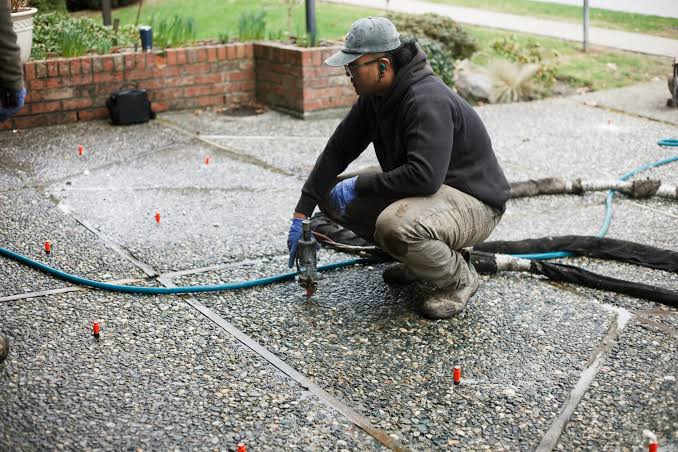
Why Is Maintaining Concrete Important for Every Property?
Concrete is one of the most widely used construction materials for residential and commercial properties because of its strength, versatility, and ability to support everyday activities. Driveways, sidewalks, patios, parking areas, steps, and building entrances all depend on properly installed concrete to remain functional and attractive. However, even durable concrete can deteriorate over time because of weather exposure, heavy traffic, moisture, ground movement, and regular use. Small areas of surface damage may gradually become larger problems when they are ignored or treated incorrectly. Maintaining concrete is important because it helps protect the original installation, preserve the appearance of the property, and reduce the possibility of more extensive restoration work. Property owners who inspect their concrete regularly can identify developing concerns and arrange suitable repairs before the affected areas become difficult to manage.
What Should You Know About Concrete Repair Services?
Property owners should understand that concrete repair services involve identifying the cause of deterioration and selecting a suitable method to restore the affected surface. The work may include repairing damaged driveway sections, restoring patio surfaces, improving sidewalk conditions, replacing deteriorated concrete, or addressing problems around commercial entrances. Every project has different requirements because the size, depth, location, and severity of the damage can vary considerably. A small surface defect may need a compatible repair mortar, while a severely deteriorated section may require removal and replacement. Professional evaluation is important because covering visible damage without understanding its cause can lead to recurring problems. Contractors should examine the existing material, supporting base, drainage conditions, and surrounding surfaces before recommending a repair approach. This careful planning helps property owners choose a solution that addresses the actual condition instead of relying on a temporary improvement that may not last.
What Are the Most Common Signs of Concrete Deterioration?
Concrete deterioration can appear in several different forms, and recognizing the early signs helps property owners respond before the affected area becomes more difficult to restore. Some surfaces develop rough patches, chipped corners, discoloration, or areas where the upper layer begins to separate. Other installations may show uneven sections, loose edges, damaged joints, or places where water collects after rainfall. Driveways can experience wear from repeated vehicle movement, while sidewalks may become uneven because of changes in the supporting soil. Patios can lose their attractive finish after years of sunlight, moisture, and outdoor exposure. Commercial concrete surfaces may experience additional wear because of delivery vehicles, equipment, and frequent pedestrian activity. Although some defects are mainly cosmetic, others may indicate a deeper problem that requires professional assessment. Understanding the difference helps property owners avoid unnecessary work and select an appropriate repair method.
How Can Driveway Repairs Improve the Appearance of Your Home?
A concrete driveway is an important part of a property's exterior because it provides vehicle access and contributes to the overall appearance of the home. It is exposed to changing weather, sunlight, rainfall, vehicle weight, and repeated daily use. Over time, these conditions can cause surface deterioration, damaged edges, uneven areas, and worn sections that make the driveway look neglected. Repairing affected areas can improve the driveway's appearance while helping maintain a smooth and functional surface. Before beginning the work, the contractor should examine whether the damage is limited to the upper layer or extends into the concrete and supporting base. Proper preparation is especially important because new repair material needs a stable surface to bond effectively. If the underlying problem involves settlement or water movement, those conditions should also be considered. A carefully planned driveway repair can help homeowners maintain an attractive entrance and protect the remaining concrete from avoidable deterioration.
Why Do Concrete Patios Need Regular Attention?
Concrete patios create useful outdoor spaces for relaxing, entertaining guests, dining, and enjoying time with family. Since these surfaces remain exposed to the elements throughout the year, their condition can gradually change because of moisture, temperature variations, dirt, furniture movement, and everyday activity. A patio may develop worn patches, chipped edges, surface discoloration, or areas that collect water. These problems can affect both the appearance and usability of the outdoor space. Repairing damaged sections helps property owners maintain a more comfortable and attractive patio without automatically replacing the entire installation. The repair method should be selected according to the depth of deterioration and the condition of the surrounding material. Surface preparation, compatible products, and an appropriate finishing method all contribute to a better result. Homeowners should also consider drainage and the slope of the patio because water that repeatedly collects in one location may contribute to further deterioration. Regular attention helps preserve the outdoor space and supports its continued use.
How Can Sidewalk Repairs Make Walking Areas Safer?
Sidewalks and concrete walkways provide essential access between driveways, entrances, gardens, patios, and other areas of a property. These surfaces should remain stable and reasonably level so residents, visitors, employees, and customers can move around comfortably. When concrete becomes uneven, loose, or deteriorated, it may create tripping concerns and make pedestrian access more difficult. Water collection, ground movement, tree roots, and changing weather can all contribute to sidewalk problems. Repairing the affected sections helps restore a more consistent walking surface and improves the general condition of the property. A contractor should examine whether the damage comes from surface wear, movement beneath the slab, damaged joints, or drainage conditions. Depending on the findings, the appropriate solution may involve localized patching, lifting, or replacing a section of concrete. Property owners should not assume that every uneven surface can be corrected with a thin layer of repair material. Addressing the actual cause is important for achieving a dependable result.
Why Is Proper Surface Preparation Necessary Before Repairs?
Surface preparation is a major part of successful concrete restoration because the new repair material must attach to a suitable existing surface. Dirt, oil, grease, loose particles, old coatings, and deteriorated concrete can interfere with adhesion and reduce the performance of the finished work. Contractors generally begin by identifying weak areas and removing material that cannot provide a reliable foundation for the repair. Depending on the condition of the concrete and the product being used, preparation may involve grinding, chipping, abrasive cleaning, pressure washing, or other suitable methods. The objective is to create a clean and sound surface that meets the requirements of the selected repair system. Moisture conditions should also be considered because different materials have different preparation requirements. Skipping this stage or leaving weak material underneath a patch can contribute to poor bonding and early failure. Following recognized preparation guidance and manufacturer instructions helps improve the quality of the finished repair. <Cite refs={["turn267245search12","turn267245search1"]}/>
Which Materials Are Suitable for Different Concrete Repairs?
Choosing the correct repair material depends on the location, size, depth, and intended use of the damaged area. Cement-based repair mortars are commonly used for certain localized surface repairs, while polymer-modified products may be suitable where particular bonding or performance characteristics are needed. Larger damaged sections may require a concrete mixture designed for the repair depth and expected loading. Epoxy and other resin-based materials can also be useful in specific applications, but they are not suitable for every concrete condition. Contractors should consider exposure to moisture, temperature changes, vehicle traffic, pedestrian use, and the condition of the existing concrete before selecting a product. Material compatibility is important because a repair must work with the surrounding installation rather than simply cover its appearance. Mixing ratios, placement thickness, application conditions, and curing requirements should follow the manufacturer's instructions. Selecting a suitable product for the actual problem helps improve bonding, finishing, and long-term performance.
How Can Water Damage Affect Concrete Structures?
Water is an important factor in concrete deterioration because repeated moisture exposure can affect both the surface and the supporting conditions beneath an installation. Poor drainage may allow water to collect around driveways, patios, sidewalks, foundations, and other concrete structures. Over time, water can enter small openings, contribute to erosion beneath slabs, and create conditions that encourage movement. In colder climates, moisture within porous materials can freeze and expand, placing additional stress on the concrete. Persistent water exposure may also contribute to staining and deterioration of joints or surrounding materials. Repairing the visible surface without considering drainage may allow the same problem to return. Property owners should examine nearby downspouts, drainage outlets, landscape slopes, and locations where water regularly collects. Where necessary, improvements to water management should be considered alongside the repair work. Addressing moisture-related conditions helps protect restored surfaces and reduces the possibility of repeated deterioration.
When Should Concrete Be Repaired Instead of Replaced?
Deciding whether to repair or replace concrete depends on the extent of deterioration and the condition of the surrounding structure. Localized surface damage may be suitable for a patch or resurfacing system when the existing concrete remains stable and the supporting base is in good condition. However, extensive deterioration, significant settlement, severe movement, and widespread material failure may require partial or complete replacement. A professional inspection can help determine whether the existing installation can be restored effectively. Property owners should also consider how the surface is used and whether it needs to support vehicles, equipment, or regular pedestrian traffic. Applying a thin repair layer over an unstable surface may only provide a temporary improvement. Similarly, replacing an entire driveway or patio may be unnecessary if the damage is limited to a small area. A practical assessment considers the actual condition, repair requirements, expected performance, and overall project cost before recommending the most suitable option.
How Do Commercial Properties Benefit From Concrete Maintenance?
Commercial properties rely on concrete for parking areas, walkways, loading zones, entrances, service areas, and access routes. These surfaces often experience frequent use from customers, employees, delivery vehicles, and maintenance equipment. Heavy traffic and repeated exposure can gradually affect the condition of the concrete, particularly around entrances, corners, drainage points, and areas where vehicles turn or stop. Damaged surfaces can make a commercial property look poorly maintained and may interfere with normal operations. A planned maintenance approach allows property managers to identify deteriorating sections and arrange repairs according to their urgency. Work may need to be completed in stages so that customers, employees, and deliveries can continue using unaffected areas. Contractors should consider work-zone safety, access arrangements, material curing time, and the operating schedule before starting. Regular inspections and timely restoration can help commercial property owners maintain functional surfaces while reducing the possibility of larger repair projects developing from neglected damage.
Why Should Concrete Joints Be Inspected and Maintained?
Concrete joints are designed to help manage movement and control how certain stresses affect a concrete installation. Control joints provide planned locations for shrinkage-related movement, while isolation and expansion joints allow adjoining sections to move where necessary. Over time, joint fillers and sealants may deteriorate because of weather exposure, repeated movement, moisture, and regular use. Damaged joints can allow water and debris to enter spaces between concrete sections, potentially affecting nearby edges and supporting materials. Inspecting joints helps property owners recognize when sealants need attention or when the surrounding concrete requires further evaluation. The correct repair method depends on the type of joint, its dimensions, the amount of expected movement, and the material used in the original installation. Not every joint should be filled with a rigid repair product because some joints must remain capable of accommodating movement. Proper joint maintenance supports the performance of the surrounding surface and helps reduce avoidable deterioration.
Can Concrete Resurfacing Restore Worn Outdoor Areas?
Concrete resurfacing can be an option when an existing surface has become worn or unattractive but remains structurally sound. It involves applying a compatible resurfacing product over a properly prepared concrete surface to create a refreshed finish. This approach may be considered for certain driveways, patios, walkways, and other suitable areas. However, resurfacing cannot correct every type of deterioration. Serious settlement, unstable soil, extensive damage, and structural problems must be evaluated before a new surface layer is applied. The existing concrete needs to be sufficiently sound, and preparation must meet the requirements of the selected resurfacing system. Contractors should also consider the intended use of the surface, expected traffic, exposure conditions, and the thickness limitations of the product. When the existing installation is suitable, resurfacing may improve appearance without requiring complete removal. When the underlying concrete is seriously deteriorated, removing and replacing the affected section may be a more appropriate solution.
What Role Does Curing Play in the Quality of Concrete Repairs?
Curing is an important stage of cement-based repair work because it allows the material to develop its intended properties under suitable conditions. Newly placed repair material can lose moisture too quickly when exposed to direct sunlight, wind, high temperatures, or unsuitable environmental conditions. Rapid moisture loss may affect strength development and increase the possibility of surface problems. The appropriate curing approach depends on the repair product, placement conditions, weather, and manufacturer's instructions. Some applications may require moist curing, while others use suitable curing compounds or protective coverings. Contractors should also consider how long the repaired area needs to remain protected before it can be used. A surface that appears firm may not yet be ready for vehicle traffic or heavy loads. Following the specified curing period helps protect the new material during an important stage of its development. Careful finishing and correct curing work together to support the quality and performance of the completed repair.
How Can Property Owners Reduce the Need for Future Repairs?
Preventive maintenance helps property owners keep concrete installations in better condition and recognize problems before they become extensive. Regular inspections can reveal worn surfaces, deteriorated joints, standing water, loose edges, and areas where the concrete appears to be moving. Keeping drainage systems clear and directing downspouts away from vulnerable surfaces can help reduce unnecessary moisture exposure. Property owners should also avoid placing unusually heavy equipment on areas that were not designed to support concentrated loads. Cleaning oil, chemicals, and other contaminants from suitable concrete surfaces can help reduce staining and deterioration. In areas exposed to winter weather, appropriate deicing practices should be followed to avoid unnecessary damage. Sealers may provide additional protection in suitable applications, but they cannot replace structural repairs or correct drainage problems. Maintenance should be based on the condition and intended use of each surface. By combining regular inspections with timely attention, property owners can help preserve driveways, patios, sidewalks, and other concrete installations.
What Factors Influence the Cost of a Concrete Repair Project?
The cost of repairing concrete varies according to the size, depth, location, and condition of the damaged area. A small surface repair may require less labor and material than a project involving extensive removal, replacement, and preparation of the supporting base. Other factors include access to the work area, disposal of removed material, reinforcement requirements, drainage improvements, selected repair products, and the type of finish requested. Residential projects may have different requirements from commercial work because of the surface area, traffic conditions, and operating restrictions involved. Property owners should request a clear estimate that explains the proposed work rather than relying only on a general price per square foot. It is also useful to understand whether the estimate includes surface preparation, cleanup, material placement, curing protection, and any necessary additional work. Comparing proposals based on their actual scope makes it easier to evaluate value and avoid unexpected costs during the project.
How Should You Choose a Reliable Concrete Repair Contractor?
Selecting a contractor is an important decision because the quality of a repair depends on more than the material used. A dependable professional should be able to inspect the affected area, explain the likely cause of deterioration, and recommend a method that matches the actual condition. Property owners should ask about experience with similar projects, preparation methods, material selection, expected timelines, and curing requirements. A written estimate should clearly describe the work, materials, and any conditions that could affect the final cost. It is also helpful to discuss access restrictions, cleanup, protection of nearby landscaping, and how the repaired area will be checked after completion. Homeowners should be cautious of proposals that promise to solve every problem with one simple coating or patch. Different types of damage require different approaches. Clear communication and a well-defined project scope help property owners understand what to expect and make a more informed decision.
Why Is Quality Control Important During Concrete Restoration?
Quality control helps ensure that each stage of a repair project follows the requirements established for the selected material and the condition of the existing concrete. Before work begins, the damaged area should be inspected and the repair boundaries identified. During preparation, loose and unsuitable material should be removed, and the remaining surface should be checked for cleanliness and stability. The repair product should be mixed and applied according to its instructions, including the recommended thickness and placement conditions. Finishing should produce a surface appropriate for its intended use, whether it is a driveway, walkway, patio, or commercial area. Curing and protection should also be considered before the repaired section is reopened to regular activity. For larger or more complex projects, documentation and appropriate testing may be useful to verify the quality of the work. A consistent inspection process helps identify concerns early and supports a more reliable finished result.
How Can Restored Concrete Improve Property Value and Usability?
Well-maintained concrete contributes to the overall appearance, accessibility, and functionality of a property. A clean driveway can create a more attractive entrance, while a properly maintained patio can make an outdoor area more comfortable and inviting. Smooth and stable walkways improve everyday movement around the property, and maintained commercial surfaces help create a more professional impression for visitors and customers. Deteriorated concrete can make a property appear neglected, particularly when damaged areas are visible near the main entrance or parking spaces. Restoration helps address these concerns and allows property owners to continue using existing installations where appropriate. Although repairs do not automatically guarantee an increase in market value, maintaining the condition of important outdoor surfaces can support the property's overall presentation. The best results come from choosing repairs that address the cause of the damage and match the intended use of the surface. A well-planned maintenance approach can make outdoor areas more useful and visually consistent.
What Should You Expect During a Professional Concrete Repair Project?
A professional repair project generally begins with an inspection of the damaged area and a discussion of the property owner's requirements. The contractor evaluates the surface, identifies visible deterioration, and considers possible causes such as moisture, movement, heavy loading, or poor drainage. After the repair method and materials are selected, the work area is prepared by removing unsuitable material and cleaning the remaining concrete. The repair product is then placed, finished, and protected according to the requirements of the selected system. Depending on the size and complexity of the project, additional steps may include reinforcement work, joint treatment, drainage improvements, or replacement of a larger section. The repaired area may need to remain closed to foot traffic or vehicles until the specified curing requirements have been met. Property owners should receive clear information about the expected schedule, site access, cleanup, and maintenance recommendations. Understanding these stages helps make the project more organized and reduces confusion during the work.
How Can Harringtons Paving Help With Your Property Improvement Plans?
Maintaining concrete is an important part of protecting residential and commercial properties because driveways, patios, walkways, and other outdoor surfaces are used throughout the year. When deterioration appears, property owners should take time to understand the condition of the affected area and choose a solution that addresses the actual problem. Proper inspection, preparation, material selection, placement, and curing all contribute to the quality of a completed project. It is also important to consider drainage, nearby paving, and surrounding masonry so that improvements work together as part of the property's overall design. Harringtons Paving is based in Hillsborough Township, New Jersey, and focuses on paving and masonry-related improvements for local residential and commercial properties. Property owners planning concrete improvements can contact Harringtons Paving to discuss their project, explain the condition of their existing surfaces, and confirm whether the required work is available within the company's service area. A carefully planned approach can help maintain attractive, functional, and durable outdoor spaces.















Comments (0)