

What records should be ready before an environmental compliance audit?
An oil and gas compliance audit can quickly become difficult when inspection, emissions, and corrective-action records are incomplete or scattered. In the Gulf Coast Energy market, producing accurate compliance data in Houston typically relates to proving the following has been done within the correct timelines and accurately: emissions monitoring, inspections, measurements, and corrective actions.
In the Federal government, oil and gas facilities are required to comply with emissions standards. Under the federal rules, NSPS OOOOb sets standards for new, modified, and reconstructed sources, while EG OOOOc provides emissions guidelines for existing sources that states implement through plans. Within the State of Texas, regulation is carried out via two regulatory bodies. The oil and gas industry is regulated by the Railroad Commission of Texas (including gas flaring/venting authorizations). Air quality is regulated by the Texas Commission on Environmental Quality. Within the Gulf Coast region, it is common for facilities to be regulated by multiple bodies.
Regulatory requirements have changed significantly in 2025 and 2026. In 2025, the EPA granted extensions to the 2024 methane requirements. In April 2026, they released a final decision allowing a limited reconsideration of the requirements. In late October 2026, an expanded revision was proposed. The EPA held virtual public hearings on November 16 and 17, 2026, and comments on the proposed reconsideration are due by December 16, 2026. Regardless of what the final requirements are, accurate, traceable, and available data will be required, including monitoring data, inspection records, and reporting. As proposals are in place, it is risky to assume they are final. As requirements could be changing soon, it is also risky to ignore them. Consistent compliance reporting in Houston also helps operators maintain accurate records as regulatory requirements evolve.
Issues with producing compliance reports typically occur in data transfer. Gas analysis results may be in one spreadsheet, well inspections in a paper notebook, calibration certificates within emails, and shut-in well records in people’s memories. When it comes to compiling compliance data, staff members may spend many hours putting it all into one place and hope they have not missed anything. This is a common point for errors, delayed submissions, and inconsistent data.
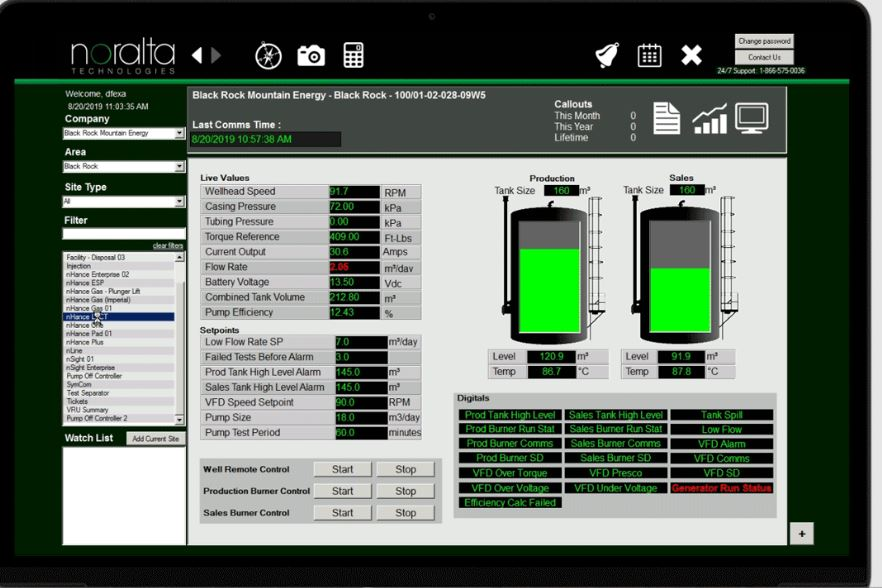
Using automatic data collection from devices in the field means time-stamped, consistent data. This makes defending the data much easier than manually entered data. By having a central calendar of routine tasks, such as inspections, gas sampling, and calibrations, and a central location for documentation, producing compliance data can simply be a result of regular processes.
Check compliance data on a monthly basis, rather than annually, to pick up any issues early. If unsure of any requirements, double-check with the regulating body/qualified advisor before making process changes.
Producing high-quality compliance data in Houston doesn’t mean producing excessive amounts of documentation. Reliable compliance reporting in Houston depends on accurate, traceable records and consistent processes, helping operators prepare for audits and respond confidently to regulatory changes.
Kenny Dykes is the author of this article. For more details about Burner management system in Alberta , please visit our website: noralta.com.
















Comments (0)