

RCM Services in the USA: What Medical Practices Should Know
Revenue Cycle Management (RCM) services cover the financial and administrative processes involved in receiving payments for healthcare services.
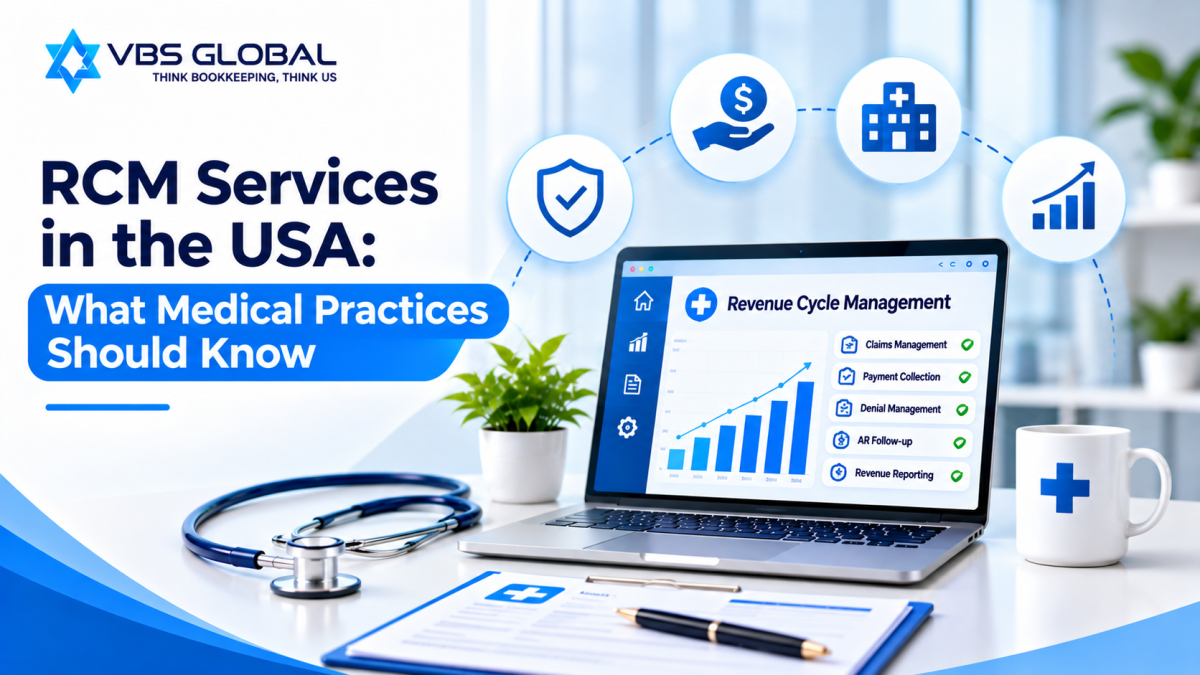
Running a medical practice involves more than treating patients. Healthcare providers also need to manage insurance verification, medical billing, claim submissions, payment posting, and outstanding accounts. When these tasks are not handled properly, rejected claims, delayed payments, and growing administrative work can affect the practice's cash flow.
This is where Revenue Cycle Management Services become important. They help medical practices manage financial activities throughout the patient care process, from registration to final payment. With an organised revenue cycle, healthcare providers can reduce billing-related challenges, track unpaid claims, and spend more time focusing on patient care.
What Are Revenue Cycle Management (RCM) Services?
Revenue Cycle Management (RCM) services cover the financial and administrative processes involved in receiving payments for healthcare services. The process begins when a patient schedules an appointment and continues through insurance verification, medical coding, claim submission, payment collection, and account follow-up.
A well-managed RCM process helps medical practices maintain accurate billing records, identify payment issues, and monitor outstanding claims. It also provides better visibility into the financial performance of a healthcare practice.
Why Do Medical Practices in the USA Need RCM Services?
Medical practices in the USA often deal with complex insurance requirements and time-consuming billing activities. Without proper management, these challenges can create payment delays and unnecessary administrative pressure.
Increasing Insurance Claim Denials
Claims may be denied because of incorrect patient information, coding mistakes, missing documentation, or insurance eligibility issues. Identifying the reason for each denial and correcting it quickly is important to avoid repeated billing problems.
Delayed Payments and Unpaid Claims
When submitted claims are not monitored regularly, payments can remain outstanding for longer periods. Consistent accounts receivable (AR) follow-up helps practices identify pending claims and take the necessary steps to resolve payment delays.
Growing Administrative Workload
Managing insurance verification, billing, claim submissions, and patient payment enquiries requires time and attention. These responsibilities can put additional pressure on in-house staff, especially in small and growing medical practices.
What Do Revenue Cycle Management Services Include?
RCM involves several connected activities that help healthcare providers manage their billing and payment processes.
Patient Registration and Insurance Eligibility Verification
Accurate patient registration and insurance verification help confirm coverage details before services are provided. Checking eligibility and authorization requirements can help prevent avoidable claim issues.
Medical Coding and Claims Submission
Medical coding support involves assigning appropriate ICD-10, CPT, and HCPCS codes based on the available clinical documentation and applicable coding requirements. Accurate claim preparation helps reduce errors before claims are submitted to insurance companies.
Payment Posting and Reconciliation
Payment posting involves recording payments received from insurance companies and patients. Comparing payments with the corresponding claims helps identify discrepancies and unpaid balances that may require further attention.
Denial Management and AR Follow-Up
When an insurance claim is denied or remains unpaid, the reason needs to be reviewed. Denial management and AR follow-up help identify outstanding issues, support necessary corrections, and track claims through the resolution process.
Patient Billing and Revenue Reporting
Patient billing includes preparing statements and managing billing-related enquiries. Revenue reporting helps practices monitor important financial indicators, such as denial rates, AR ageing, and payment turnaround times.
Benefits of Outsourcing Revenue Cycle Management Services
Outsourcing can be a practical option for medical practices that need additional billing support without expanding their in-house administrative team.
-
Better billing management: Dedicated support helps maintain organised billing and claim workflows.
-
Reduced administrative pressure: Outsourcing routine RCM activities allows internal staff to focus on other practice responsibilities.
-
Consistent claim follow-up: Regular monitoring helps practices identify unpaid and denied claims that need attention.
-
Improved financial visibility: Reporting helps healthcare providers understand their outstanding payments and identify areas that need improvement.
The right outsourcing arrangement should match the practice's size, service requirements, and existing billing processes.
How to Choose the Right RCM Service Provider in the USA
Choosing an RCM partner requires more than comparing service prices. Medical practices should look for a provider that understands US healthcare billing workflows and can support their specific requirements.
Before making a decision, consider the following:
-
Healthcare experience: Check whether the provider understands US insurance billing and healthcare revenue cycle processes.
-
Medical coding knowledge: Ensure the team understands relevant coding guidelines and documentation requirements.
-
Data security: Review how the provider handles sensitive patient information and meets applicable HIPAA-related obligations.
-
Communication and reporting: Look for clear updates, accessible reports, and a defined process for handling billing issues.
-
Flexible support: Choose services that align with your practice's workload and operational needs.
A reliable revenue cycle management service in USA should offer clear processes, consistent communication, and support that fits your practice's requirements.
RCM Services in California: What Medical Practices Should Consider
Medical practices in California may work with Medicare, Medi-Cal, and commercial insurance plans, each with its own coverage and billing requirements. Managing eligibility checks, authorizations, claim submissions, and payment follow-ups requires careful attention to detail.
Revenue cycle management services in California can help healthcare providers organise these activities, monitor outstanding claims, and address billing issues more consistently. Practices should select an RCM partner familiar with the requirements relevant to their patient population and payer mix.
How VBS Global Supports Healthcare Revenue Cycle Management
VBS Global provides Revenue Cycle Management Services to support US healthcare providers with important billing and administrative activities. Its service support includes insurance eligibility verification, authorization support, medical coding, claims processing, payment posting, denial management, AR follow-up, and reporting.
By providing support across these activities, VBS Global helps healthcare practices manage their revenue cycle workflows and maintain better visibility into outstanding billing tasks.
If your practice needs additional support with healthcare billing and revenue cycle operations, contact VBS Global to discuss your requirements.
Frequently Asked Questions About RCM Services
1. What are RCM services in healthcare?
RCM services manage the financial process of healthcare delivery, including patient registration, insurance verification, medical coding, claims submission, payment posting, and follow-up on outstanding balances.
2. How do RCM services help medical practices?
RCM services help medical practices organise billing activities, monitor unpaid claims, manage denials, and identify payment-related issues. This can reduce administrative pressure and improve visibility into financial operations.
3. Is outsourcing RCM services beneficial for small medical practices?
Yes. Outsourcing can give small practices access to additional billing and administrative support without the need to build a larger in-house team. The services can be selected according to the practice's workload and requirements.
4. What should medical practices look for in an RCM provider?
Medical practices should evaluate healthcare billing experience, coding knowledge, data security practices, communication, reporting, and the provider's ability to support their specific insurance and billing requirements.

VBS Global is an accounting and RCM outsourcing company providing revenue cycle management services to healthcare providers in the USA. We help manage medical billing, insurance claims, payment posting, denial handling, and accounts receivable tasks. Visit: https://vbsglobal.co/service/revenue-cycle-management-services/


















Comments (0)