

Japandi Hallway Design Ideas: Small Changes, Big Difference
Japandi hallway design ideas for a calm, clutter-free entry: light wood, soft neutrals, hidden storage and small changes that make a big difference at home.
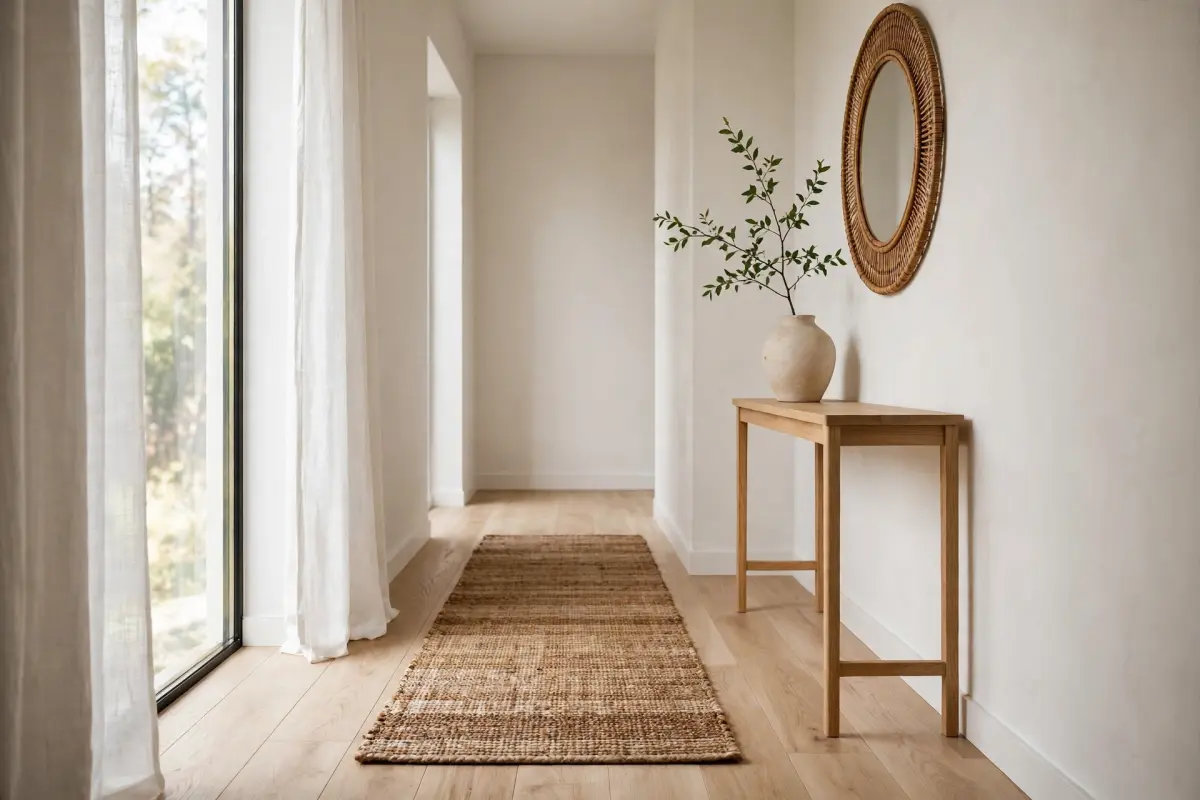
A hallway is the first thing you see when you come home and the last thing you see when you leave, yet it is the room most of us decorate last. The good news is that you do not need a renovation to make it feel calm and welcoming. These japandi hallway design ideas prove that a few small, thoughtful changes can completely transform a plain passage into a space that sets the tone for the whole home.
Japandi style blends the clean lines of Scandinavian design with the quiet warmth of Japanese interiors. The result is a look that feels light, uncluttered and natural. It works especially well in hallways, where space is usually tight and every object has to earn its place. A well-planned japandi hallway feels open even when it is narrow, and it stays tidy without much effort.
Japandi Hallway Design Ideas Start With Less
The first rule of Japandi is simple: remove before you add. Take everything out of your hallway and put back only what you actually use every day. Coats you wear, shoes you reach for, keys, a bag. The rest can live somewhere else.
This one step costs nothing and changes everything. An empty hallway shows you what the space really needs, and it stops the daily pile-up of things that do not belong there. Once the clutter is gone, each piece you choose gets room to breathe, and the whole space feels larger. Live with the emptied hallway for a few days before buying anything. You will quickly notice what is missing, whether that is a place to sit, a hook for your coat, or simply a little warmth on a bare wall.
Start With a Warm, Neutral Palette
Colour does most of the work in a Japandi hallway. Warm whites, soft beige, pale grey and gentle stone tones keep the space bright without feeling cold. These shades bounce light around a narrow passage and make walls seem further apart than they are.
Add colour through nature rather than paint. Light oak, bamboo and rattan bring in gentle honey tones, while a single green plant adds life. The palette stays quiet, and nothing competes for attention.
Choose Low, Simple Furniture
Hallway furniture should be slim and simple. A low wooden bench is one of the best pieces you can add. It gives you somewhere to sit while putting on shoes, and a shelf or baskets underneath keep footwear out of sight.
If your hallway is very narrow, skip the table entirely. A wall-mounted shelf and a row of hooks can do the same job without taking up any floor space. The aim is always the same: furniture that helps, never furniture that blocks the way.
Japandi Hallway Design Ideas for Storage That Stays Hidden
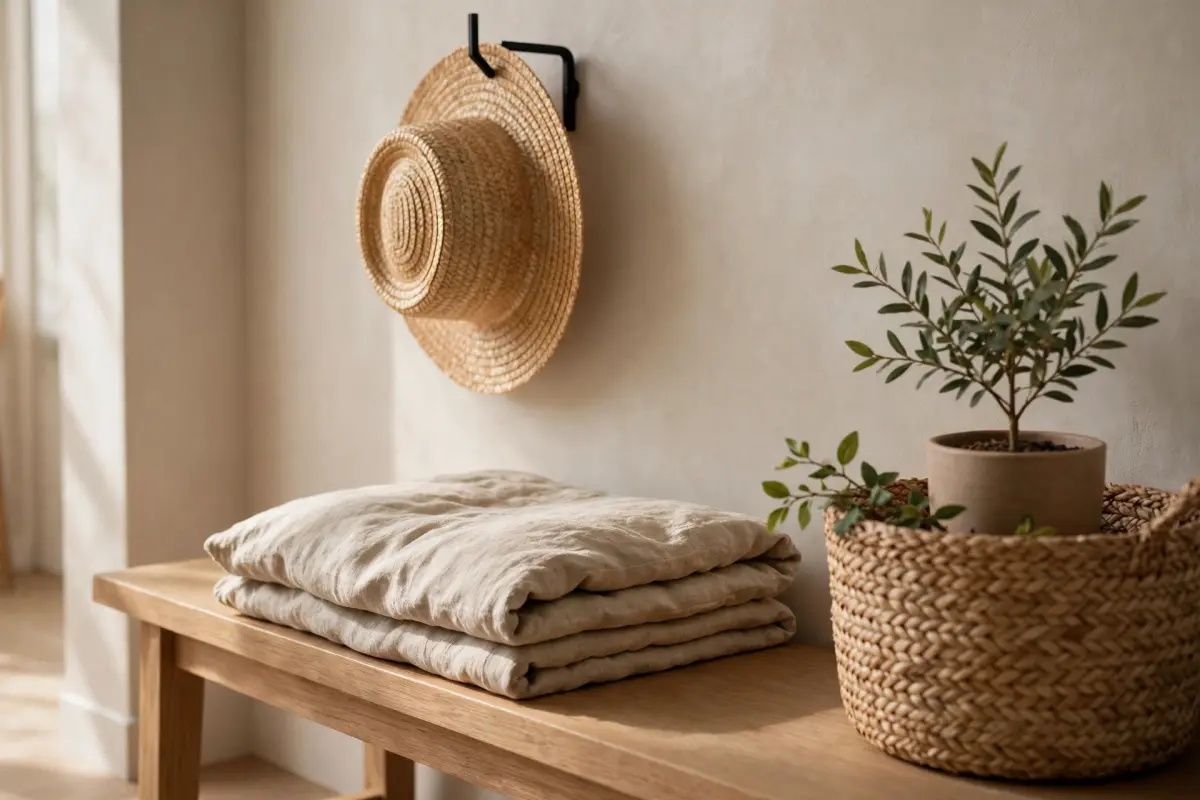
Good storage is invisible storage. In a Japandi hallway, baskets, closed cupboards and lidded boxes hide the everyday mess while adding natural texture to the room.
For coats, a simple row of wooden pegs or black metal hooks keeps things tidy and looks intentional. Give each person in the household one hook. When every coat has a home, the hallway stays clear on its own.
A slim shoe cabinet with a flat top doubles as a display surface. Keep the top almost empty, just a small plant or a framed print, and the whole piece feels like furniture rather than storage.
Layer Natural Textures, Not Patterns
Japandi style gets its warmth from texture, not from bold patterns or bright colours. Mix materials that feel good to touch: smooth light wood, soft linen, nubby wool, woven rattan and cool ceramic.
Linen cushions on a bench, a wool throw folded nearby, a handmade ceramic bowl by the door. Each texture adds a layer of comfort, and together they make the hallway feel finished without a single patterned wallpaper or loud print. As the team at Real Decor Lovers often shows, it is these quiet layers that make a home feel truly lived in.
Let Light Do the Heavy Lifting
Hallways are often the darkest part of a home, so light matters more here than anywhere else. If you have a window, keep it uncovered or dress it with sheer linen that lets daylight through while softening the glare.
For evening light, choose warm bulbs and simple fixtures. A paper lantern pendant or a wooden wall light gives a soft glow that flatters the whole space. Avoid harsh white downlights, which make a hallway feel like a corridor. One warm pendant in the middle of the hall is often all you need.
Add One Green Touch
Every Japandi hallway needs a little green. A single plant brings life to neutral walls and connects the hallway to the rest of your home. Choose something that suits low light if your hall has no window, such as a snake plant or a pothos trailing from a high shelf.
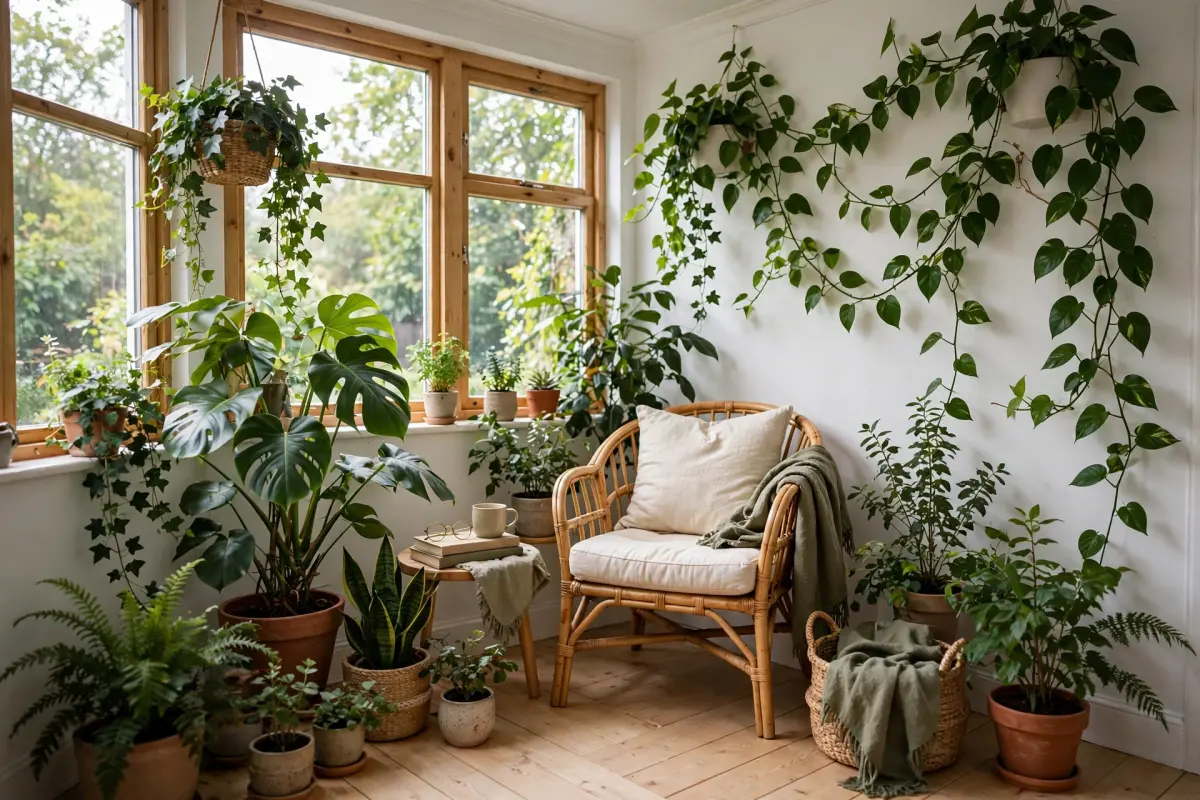
Greenery is also a lovely way to link your hallway to other rooms. If you enjoy plants in your entry, you may love the same calm, leafy feeling elsewhere in the house. These small green sunroom ideas show how a few plants and natural materials can turn even the smallest sunny corner into a relaxing retreat.
Small Changes That Make the Biggest Difference
Swap out one thing at a time and live with each change for a week. A new runner, a different mirror, a bench instead of a shoe pile. Small steps let you see what actually improves the space, and they keep the project affordable.
The goal is a hallway that welcomes you home. When the space is calm, tidy and full of natural light and texture, walking through the front door feels like a small daily pleasure. That is the real promise of Japandi design: not a perfect showroom, but a home that helps you slow down.
A Japandi hallway is not about spending a lot or following strict rules. It is about choosing less, choosing well, and letting light, wood and texture do the work. Clear the clutter, warm up the palette, add slim furniture and hidden storage, layer natural textures, and finish with light and a touch of green.
Try one or two of these japandi hallway design ideas this weekend. Small changes really do make a big difference, and your hallway will thank you every time you come home.

Real Decor Lovers shares calm, practical home decor ideas for real homes. Visit our website: https://realdecorlovers.com
















Comments (0)