

Top Castles, Museums and UNESCO Heritage Sites in the United Kingdom
The United Kingdom is full of places where history feels alive. From ancient stone circles and royal castles to museums filled with remarkable collections, there is plenty to discover.
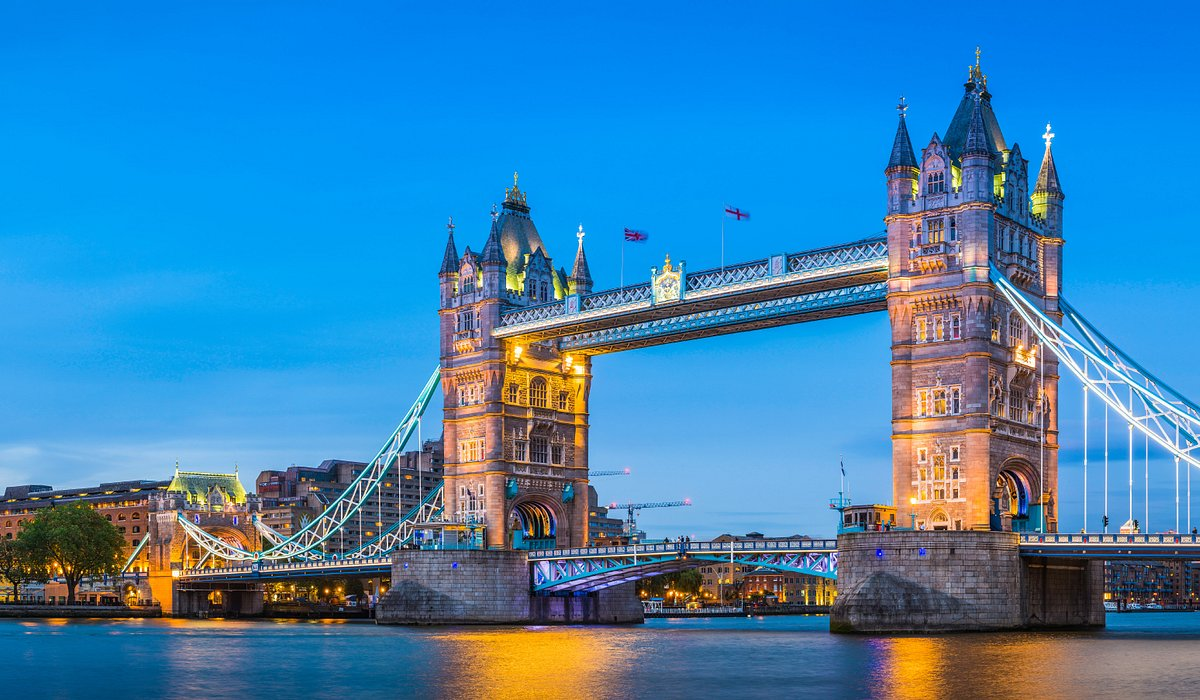
The United Kingdom is full of places where history feels alive. From ancient stone circles and royal castles to museums filled with remarkable collections, there is plenty to discover. Whether you enjoy exploring old buildings, learning about British royalty or walking through historic streets, the UK offers something worth seeing.

England, Scotland, Wales and Northern Ireland each have their own stories to tell. Here are some of the best castles, museums and UNESCO World Heritage Sites to include in your UK travel plans.
1. Windsor Castle, England – A Royal Residence
Located in Windsor, just outside London, Windsor Castle is one of the most famous royal residences in the world. It has been associated with the British monarchy for nearly 1,000 years.
Visitors can explore the magnificent State Apartments, admire royal artwork and visit St George's Chapel, where several British monarchs are buried.
Travel Tip: Check the castle's opening schedule before visiting, as certain areas may close for royal events.
2. Edinburgh Castle, Scotland – History Above the City
Edinburgh Castle stands on Castle Rock, overlooking Scotland's capital. Its dramatic location makes it one of the city's most recognisable landmarks.
Inside, visitors can see the Scottish Crown Jewels, the Stone of Destiny and the historic St Margaret's Chapel.
The castle also offers beautiful views across Edinburgh, making it a favourite stop for photographers and history lovers.
3. Caernarfon Castle, Wales – A Medieval Masterpiece
Caernarfon Castle is located in northwest Wales and is famous for its impressive stone walls and distinctive towers.
Built during the reign of King Edward I, it forms part of the UNESCO-listed Castles and Town Walls of King Edward in Gwynedd.
Walking along its walls gives visitors a closer look at medieval architecture and the castle's importance in Welsh history.
4. British Museum, London – Explore World Civilisations
The British Museum is among London's best-known cultural attractions. Its collections cover thousands of years of human history.
Popular exhibits include the Rosetta Stone, Egyptian sculptures and objects from ancient Greece.
Entry to the permanent collection is generally free, although special exhibitions may require tickets.
Travel Tip: Allow at least two to three hours to explore the museum's major galleries.
5. Natural History Museum, London – Discover the Natural World
The Natural History Museum is a wonderful destination for families, students and curious travellers.
It is known for its dinosaur fossils, fascinating wildlife collections and impressive Hintze Hall, where a blue whale skeleton hangs above visitors.
General admission is free, making it an excellent addition to a London sightseeing itinerary.
6. Tower of London – A UNESCO World Heritage Site
The Tower of London has served as a royal palace, fortress, prison and treasury throughout its long history.
Today, visitors come to see the Crown Jewels, the famous ravens and the historic White Tower.
Recognised as a UNESCO World Heritage Site, it offers a fascinating look at the country's royal past.
Before planning your historic sightseeing journey, check your travel requirements. Eligible visitors who need electronic travel authorisation can explore the Apply for United Kingdom ETA Online page for application assistance. An ETA is different from a UK visa, so confirm which permission applies to your nationality before travelling.
7. Stonehenge, England – A Prehistoric Wonder
Stonehenge in Wiltshire is one of Britain's most mysterious ancient monuments.
Its enormous standing stones were arranged thousands of years ago, and researchers continue to study how and why the monument was built.
The site forms part of the UNESCO-listed Stonehenge, Avebury and Associated Sites.
Visitors can explore the surrounding landscape and learn about prehistoric life at the visitor centre.
8. City of Bath, England – Roman History and Georgian Architecture
Bath is famous for its Roman Baths, elegant Georgian buildings and beautiful streets.
The city is recognised for its outstanding historic architecture and has two UNESCO World Heritage inscriptions, including one linked to the Great Spa Towns of Europe.
Popular attractions include the Roman Baths, Royal Crescent and Bath Abbey.
9. Giant's Causeway, Northern Ireland – Nature and Legend
Located on Northern Ireland's north coast, Giant's Causeway is famous for thousands of interlocking basalt columns formed by ancient volcanic activity.
It is a UNESCO World Heritage Site and one of the region's most memorable natural attractions.
Visitors can enjoy coastal walks, dramatic sea views and local legends about the giant Finn McCool.
Final Thoughts
Exploring the United Kingdom's castles, museums and UNESCO World Heritage Sites is a wonderful way to understand its history, architecture and culture.
From Edinburgh's medieval fortress to the ancient stones of Stonehenge, every destination offers a different experience.
Plan your route, check attraction opening times and book popular tickets early. With a little preparation, you can enjoy an unforgettable journey through Britain's most fascinating historic places.

I am a passionate traveller who loves exploring new destinations, discovering different cultures, and experiencing the beauty of the world. I enjoy visiting historical places, beautiful landscapes, famous attractions, and hidden gems. Through my travel experiences, I aim to share useful travel tips, destination highlights, cultural experiences, and practical information to help others plan memorable journeys. My goal is to inspire people to travel more, explore new places, and create unforgettable memories.




Comments (0)