

How to Pick the Right UPVC Ball Valve for Your Pipeline

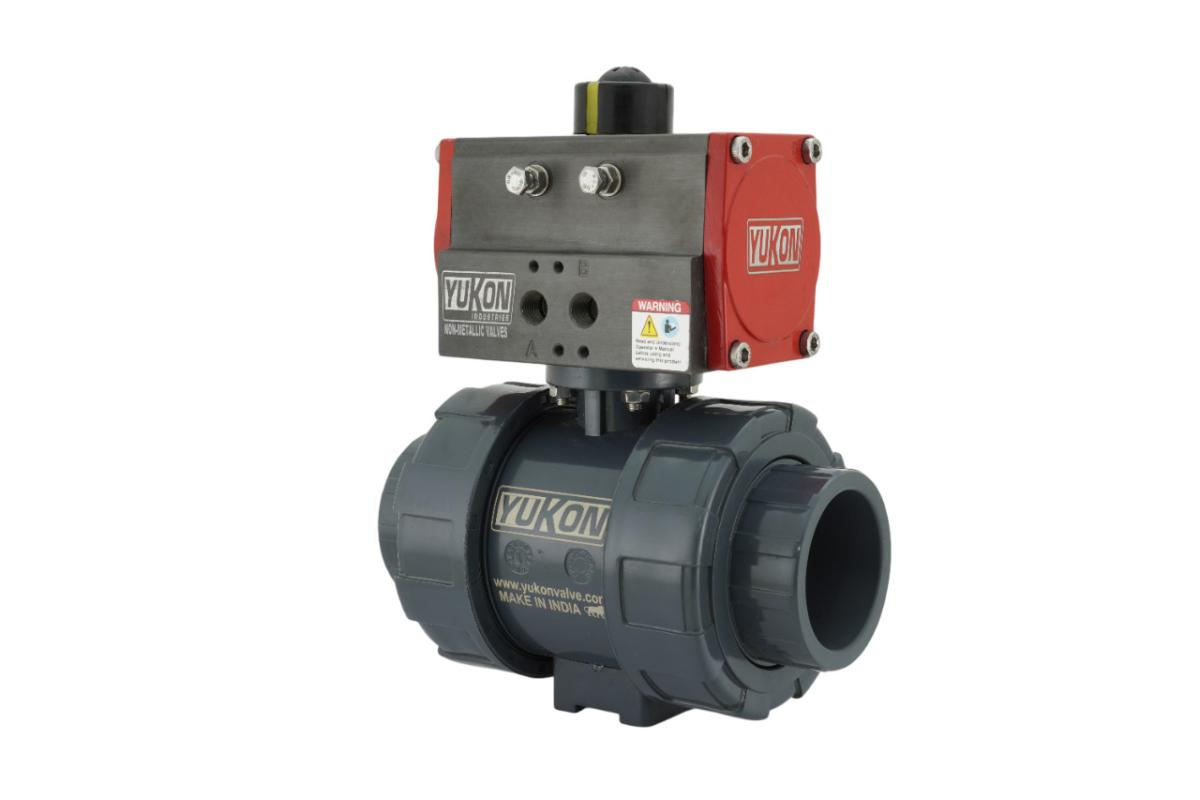
Choosing the right UPVC ball valve manufacturer is an important step when selecting reliable flow-control equipment for industrial, commercial, and water distribution systems. UPVC ball valves are widely used because of their corrosion resistance, lightweight construction, and suitability for handling many compatible liquids. However, selecting the correct valve requires careful consideration of pipeline size, pressure, temperature, fluid compatibility, and operating requirements.
A properly selected UPVC ball valve helps regulate fluid movement, minimise leakage risks, and support efficient pipeline operation.
What Is a UPVC Ball Valve?
A UPVC ball valve is a quarter-turn valve manufactured using unplasticised polyvinyl chloride. It contains a spherical ball with a bore through its centre. When the handle is turned, the ball rotates to control the flow of liquid.
When the bore aligns with the pipeline, the valve opens and allows fluid to pass. A quarter-turn rotation moves the ball into the closed position, stopping the flow.
UPVC construction offers good resistance to corrosion and many chemicals, making these valves suitable for several water and chemical-handling applications. Their actual suitability depends on the fluid and operating conditions.
Why Choose a UPVC Ball Valve?
UPVC ball valves offer several practical advantages for pipeline installations.
Corrosion Resistance
Unlike many metal alternatives, UPVC does not rust. This makes it useful in water distribution and selected chemical-handling systems where corrosion resistance is important.
Lightweight Construction
UPVC valves are generally lighter than comparable metal valves. This can make transportation, handling, and installation more convenient.
Easy Operation
The quarter-turn mechanism allows users to open or close the valve with a simple handle movement.
Low Maintenance Requirements
UPVC ball valves do not require painting or rust protection. Regular inspection of seals, connections, and operating components is still important.
Cost-Effective Solution
For applications within their pressure, temperature, and chemical compatibility limits, UPVC ball valves can provide a practical flow-control option.
Important Factors When Choosing the Right UPVC Ball Valve
Pipeline Size
First, identify the diameter of your pipeline. The valve connection size should match the piping system to ensure proper installation and avoid unnecessary flow restrictions.
Operating Pressure
Check the maximum working pressure of the pipeline. Select a valve with a suitable pressure rating at the actual operating temperature. Pressure ratings may decrease as temperature increases.
Fluid Compatibility
UPVC is compatible with many liquids, but it is not suitable for every chemical or fluid. Check the chemical resistance of the valve body, seats, and seals before purchasing.
Temperature Conditions
Temperature directly affects the performance and pressure capacity of UPVC materials. Always verify the manufacturer's specified operating temperature range.
Connection Type
UPVC ball valves are available with different connection arrangements, including socket and threaded connections. Choose the type that matches your pipeline installation.
Valve Design and Sealing
Check the ball, seats, handle, and sealing components. Good sealing performance helps reduce leakage and supports dependable operation.
Common Applications of UPVC Ball Valves
UPVC ball valves are used in different sectors where compatible fluids need to be controlled.
-
Water Treatment Plants: Used in suitable water distribution and treatment pipelines.
-
Agriculture: Helps control water flow in irrigation systems.
-
Chemical Processing: Suitable for selected chemical transfer applications after compatibility checks.
-
Swimming Pools: Used in filtration and water circulation arrangements.
-
Industrial Pipelines: Supports fluid isolation in compatible processing systems.
-
Commercial Plumbing: Used in selected water supply and distribution installations.
Installation and Maintenance Tips
Correct installation helps extend valve service life and prevent unnecessary problems.
-
Clean the pipeline before installing the valve.
-
Check that the valve size and connection type match the pipeline.
-
Follow the recommended joining procedure for socket or threaded connections.
-
Avoid excessive tightening that could damage plastic connections.
-
Do not use the valve to support pipeline weight.
-
Operate the handle smoothly without applying excessive force.
-
Inspect the valve periodically for leakage, cracks, and worn seals.
Always follow the manufacturer's installation instructions and avoid exceeding the specified pressure and temperature limits.
Choosing a Reliable UPVC Ball Valve Supplier
A dependable supplier should provide accurate product specifications, material details, pressure ratings, and technical guidance. Buyers should also review the available sizes, connection options, and application suitability before making a purchase.
Yukon Industries is a name associated with non-metallic valve solutions. When evaluating UPVC ball valve options, confirm that the selected product matches the pipeline requirements and intended operating conditions.
Conclusion
Picking the right UPVC ball valve involves understanding pipeline size, pressure, temperature, fluid compatibility, and connection requirements. These factors help ensure that the selected valve is suitable for the application and supports reliable flow isolation.
By reviewing technical specifications and following proper installation and maintenance practices, businesses can improve pipeline performance and reduce avoidable operating problems.














Comments (0)