

How to Choose the Right Air Preparation Unit for Your Compressed Air Line

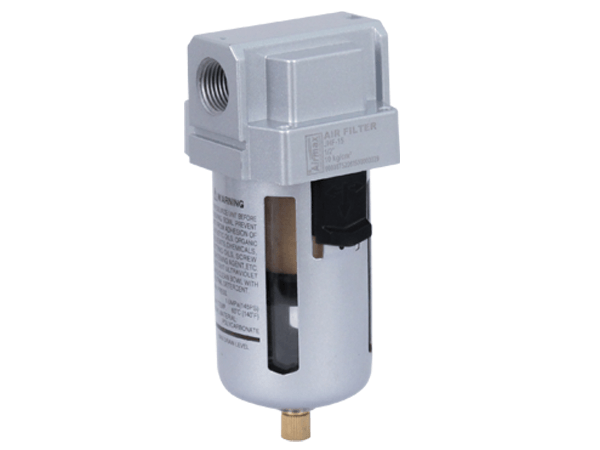
Compressed air is widely used in industrial automation, manufacturing equipment, pneumatic machinery, and production systems. However, the quality of compressed air directly affects the performance and service life of pneumatic components. Moisture, dust, oil particles, and inconsistent pressure can create operational problems, damage equipment, and increase maintenance requirements.
An air preparation unit plays an important role in maintaining suitable compressed air conditions before air enters pneumatic equipment. Selecting the correct unit helps improve air quality, regulate pressure, and provide lubrication where required. For industries that depend on compressed air, understanding the selection process is essential for reliable operations.
Understand the Purpose of an Air Preparation Unit
An air preparation unit is commonly used to prepare compressed air before it reaches pneumatic equipment. A traditional FRL assembly combines three functions: filtration, pressure regulation, and lubrication.
The filter removes moisture and solid contaminants, the regulator maintains the required downstream pressure, and the lubricator supplies a controlled amount of oil mist when the connected equipment requires lubrication.
Not every pneumatic system needs all three components. The correct configuration depends on the equipment manufacturer's recommendations and the application requirements.
Check the Air Flow Requirement
Air consumption is one of the most important factors when selecting an air preparation unit. The unit must support the required flow rate without creating excessive pressure loss.
If the selected unit is too small, it may restrict airflow and affect the performance of pneumatic cylinders, actuators, and other equipment. An oversized unit may increase initial costs without providing meaningful benefits.
Before purchasing, calculate the expected air consumption of connected equipment and consider peak demand during simultaneous operation.
Select the Right Filtration Level
Compressed air may contain dust, moisture, rust particles, and other contaminants collected through the compressor and distribution system.
A suitable filter helps remove contaminants before they reach sensitive pneumatic components. The required filtration level depends on the application.
For general industrial pneumatic systems, standard filtration may be sufficient. Applications requiring cleaner air may need finer filtration or additional treatment equipment.
It is also important to consider the filter element's micron rating, water separation capability, and maintenance requirements.
Choose the Correct Pressure Regulator
Different pneumatic machines operate at different pressure levels. A pressure regulator helps maintain a controlled downstream pressure even when the supply pressure changes within its operating range.
When selecting a regulator, consider the required outlet pressure, maximum inlet pressure, flow capacity, and pressure stability.
Correct pressure regulation helps pneumatic equipment operate more consistently and can prevent unnecessary stress caused by excessive pressure.
Determine Whether Lubrication Is Required
A lubricator introduces a controlled quantity of oil into the compressed air stream to support pneumatic equipment that requires air-line lubrication.
However, modern pneumatic components are often designed for non-lubricated operation or factory lubrication. Adding oil unnecessarily may cause problems with seals, sensitive equipment, or processes where oil contamination is unacceptable.
Always check equipment recommendations before including a lubricator in the air preparation assembly.
Consider Port Size and Installation Requirements
The connection size should match the compressed air pipeline and equipment requirements. Common considerations include port dimensions, connection standards, mounting arrangements, and available installation space.
Buyers should also evaluate operating temperature, maximum working pressure, bowl material, drain type, and accessibility for routine maintenance.
Selecting a unit with suitable mounting and connection arrangements makes installation and future servicing easier.
Evaluate Maintenance and Replacement Requirements
Regular maintenance helps maintain the performance of an air preparation system. Filters require inspection and periodic element replacement, while regulators and lubricators should be checked according to operating conditions and manufacturer recommendations.
Automatic drains can help remove accumulated moisture, while manual drains require periodic attention.
Before purchasing, check the availability of replacement filter elements, seals, bowls, and other service components.
Choose a Reliable Manufacturer
Product quality, technical specifications, and component compatibility are important when selecting an air preparation unit. Buyers should review flow capacity, filtration ratings, pressure ranges, material specifications, and available technical documentation.
Airmax Pneumatics Ltd operates in the pneumatic equipment sector, where compressed air preparation and pneumatic component selection are important considerations for industrial applications.
Conclusion
Choosing the right air preparation unit requires careful evaluation of airflow, filtration requirements, pressure regulation, lubrication needs, connection size, and maintenance conditions.
A correctly selected FRL assembly helps provide suitable compressed air to pneumatic equipment and supports reliable system performance. By understanding actual operating requirements and reviewing product specifications, industries can make better purchasing decisions and maintain efficient compressed air operations.
















Comments (0)