

Long Stroke Solenoid Valve: How It Controls Water, Air, Gas, and Oil Flow Automatically

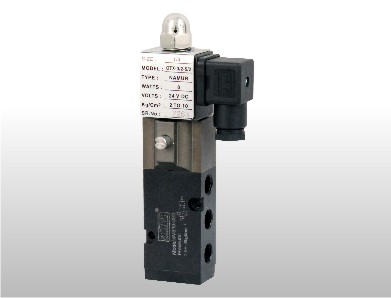
A solenoid valve manufacturer plays an important role in providing automatic flow-control solutions for modern industrial systems. Solenoid valves help regulate the movement of different fluids and gases without requiring manual operation. Among the available designs, long stroke solenoid valves are used in applications where specific operating conditions require greater valve movement and suitable flow-control performance.
A long stroke solenoid valve uses an electromagnetic mechanism to control the opening and closing of a valve. Depending on its design, it can be used to manage water, air, gas, and compatible oil-based media across different industrial applications.
What Is a Long Stroke Solenoid Valve?
A long stroke solenoid valve is an electrically operated valve designed with an extended movement of its internal operating mechanism. When electrical power is supplied to the solenoid coil, a magnetic field is created. This magnetic force moves the internal plunger or armature, allowing the valve to open or close.
When the electrical supply is removed, the valve returns to its normal position through a spring mechanism or another designed operating arrangement.
The longer movement of the internal mechanism can support particular flow requirements, depending on the valve construction, port size, pressure conditions, and application. However, the actual flow capacity depends on the complete valve design rather than stroke length alone.
How Does a Long Stroke Solenoid Valve Work?
The operating principle is based on electromagnetic force. The valve receives an electrical signal from a control panel, automation system, or other switching device.
Its operation generally follows these steps:
-
Electrical Signal: Power is supplied to the solenoid coil.
-
Magnetic Force: The coil generates a magnetic field that moves the internal plunger.
-
Valve Movement: The movement operates the sealing mechanism and changes the flow passage.
-
Flow Control: Water, air, gas, or compatible oil can pass through the valve when the required opening is achieved.
-
Return Operation: When the electrical signal is removed, the valve returns to its designed normal position.
The exact operating sequence depends on whether the valve is normally closed, normally open, or designed with another operating configuration.
Controlling Different Types of Media
Long stroke solenoid valves can be selected for different media when their materials, seals, pressure ratings, and temperature limits are suitable.
Water Flow Control
In water systems, these valves can help automate water supply, filling operations, cooling circuits, and industrial washing equipment. Electrical control allows water flow to start or stop according to the system's operating requirements.
Air Flow Control
Compressed air systems use solenoid valves to control pneumatic operations. They can support automated machinery, air distribution arrangements, and equipment requiring electrically controlled air supply.
Gas Flow Control
Certain solenoid valve designs are suitable for controlling compatible gases. Gas applications require careful attention to sealing performance, pressure ratings, material compatibility, and relevant safety requirements. The valve must be specifically approved and selected for the intended gas service.
Oil Flow Control
In industrial equipment, suitable solenoid valves can regulate compatible oils used in lubrication, circulation, and other fluid-control applications. Seal compatibility, viscosity, operating pressure, and temperature should be checked before selection.
Common Industrial Applications
Long stroke solenoid valves can be considered for various applications where electrically controlled flow is required. Depending on the valve specifications, these may include:
-
Industrial automation and manufacturing equipment
-
Water treatment and distribution systems
-
Compressed air control systems
-
Cooling and circulation arrangements
-
Machinery lubrication systems
-
Process equipment and fluid-handling units
-
Automated filling and dispensing equipment
The correct valve configuration should always match the application's operating conditions.
Important Factors When Selecting a Long Stroke Solenoid Valve
Choosing a suitable valve involves more than checking its size. Buyers and engineers should evaluate several technical factors before installation.
-
Media Compatibility: Confirm that the valve body and sealing materials are suitable for the fluid or gas.
-
Operating Pressure: Check the minimum and maximum pressure requirements.
-
Temperature Range: Ensure the valve can operate within the application's temperature limits.
-
Electrical Specifications: Match the coil voltage and electrical supply with the control system.
-
Connection Size: Select the appropriate port and connection arrangement.
-
Operating Frequency: Consider how frequently the valve will open and close.
-
Flow Requirements: Check the required flow rate and valve flow characteristics.
Proper selection helps support dependable operation and reduces the risk of leakage, incorrect functioning, and unnecessary maintenance.
The Importance of Choosing a Reliable Manufacturer
Working with an experienced manufacturer helps buyers understand product specifications, material options, and application requirements. A reliable supplier should provide clear technical information and help identify a suitable valve configuration.
4ma Valves Automation is a name that can be considered when exploring industrial valve solutions. Before purchasing, buyers should review the product's technical specifications and confirm its suitability for the intended operating conditions.
Conclusion
Long stroke solenoid valves provide an effective way to automate the control of water, air, gas, and compatible oils in industrial systems. Their electromagnetic operating principle allows equipment to manage flow through electrical signals, supporting automation and reducing the need for manual valve operation.















Comments (0)