

Professional Gardening Services Abu Dhabi: Types, Costs, Benefits
A garden in the UAE capital is never a plant-and-forget project. Summer heat, dry wind, saline irrigation water and alkaline soil put constant stress on every shrub, palm and flower bed. One missed irrigation fault can scorch a whole hedge, and one overlooked pest can spread through a border within weeks. Many homeowners start with a part-time gardener or weekend effort, then notice yellowing leaves, leggy growth, bare patches and rising water bills. Professional gardening services in Abu Dhabi solve this by combining plant knowledge, proper equipment and a seasonal plan that keeps the whole garden healthy instead of just tidy

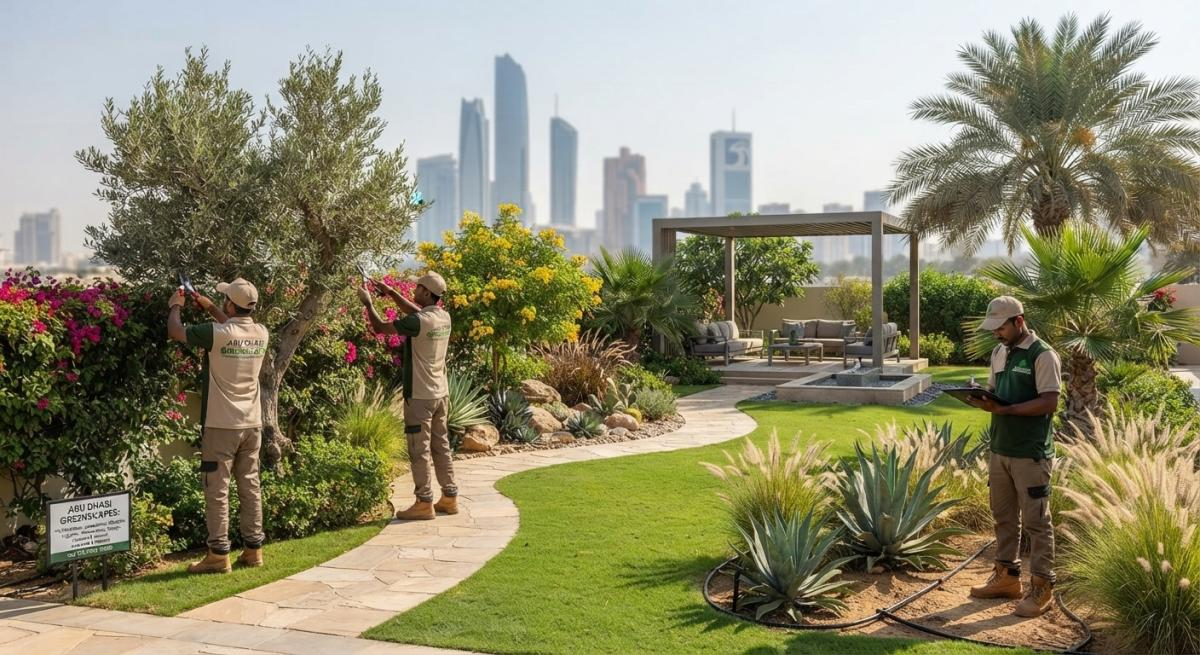
A garden in the UAE capital is never a plant-and-forget project. Summer heat, dry wind, saline irrigation water and alkaline soil put constant stress on every shrub, palm and flower bed. One missed irrigation fault can scorch a whole hedge, and one overlooked pest can spread through a border within weeks. Many homeowners start with a part-time gardener or weekend effort, then notice yellowing leaves, leggy growth, bare patches and rising water bills. Professional gardening services in Abu Dhabi solve this by combining plant knowledge, proper equipment and a seasonal plan that keeps the whole garden healthy instead of just tidy.
This guide explains what professional gardeners actually do, the main service types, the benefits, the factors that shape cost, and how to choose a reliable team. At Atlanta Pools, we care for gardens, pools and outdoor features as one connected space, and the same team can also support healthy indoor plant solutions so the greenery inside your home matches the standard outside. If you would like an expert to look at your garden in person, you can Schedule a Garden Visit and receive clear, practical recommendations.
What Are Professional Gardening Services in Abu Dhabi?
Professional gardening services are scheduled, skilled care visits that keep plants, beds, trees and garden features healthy and attractive. Unlike a one-off clean-up, they follow a plan: regular visits, defined tasks, seasonal treatments and reporting on what the team finds. A trained gardener looks at the garden as a living system, noticing changes in leaf colour, soil moisture, growth habit and pest activity long before an untrained eye would.
A typical visit may include pruning and shaping shrubs, deadheading flowers, weeding beds, checking tree ties and stakes, feeding plants, adjusting irrigation, treating pests and disease, removing garden waste and tidying paths. Some visits focus on routine upkeep, while others concentrate on seasonal jobs such as planting winter annuals, refreshing mulch or deep pruning after the heat.
Local conditions change how the work is done. Plants here depend on drip lines and controllers rather than rainfall, so irrigation knowledge is a core skill. Soil is often sandy and low in organic matter, so composting and mulching are routine rather than optional. Heat-tolerant species such as bougainvillea, frangipani, oleander, lantana, agave and date palms need specific pruning and feeding to look their best. Cooler-season annuals add colour but need careful timing.
Good gardening also depends on design. A garden that was planned with sensible spacing, appropriate plant choices and easy access is far simpler to care for. If you want to understand how layout affects upkeep, this garden design and planning guide explains how zoning, planting and materials work together. Presentation after dark matters too, so many owners pair gardening visits with outdoor lighting for gardens that highlights trees, paths and planting beds once the sun goes down.
In short, professional gardening is ongoing stewardship of a living space, not just cutting and clearing.
Types of Professional Gardening Services
Gardens vary widely, so providers usually offer a menu of services that can be combined into a plan.
Routine garden maintenance. Regular visits for weeding, pruning, deadheading, tidying beds and removing waste. This is the foundation for most villas and keeps the garden looking cared for week to week.
Pruning and plant shaping. Hedges, topiary, flowering shrubs, climbers and ornamental trees need correct cuts at the right time. Poor pruning can weaken plants or remove next season's flowers, so this is a skilled task.
Tree and palm care. Dead fronds, fruit stalks, crossing branches and weak limbs are removed for safety and appearance. Trees may also need staking, feeding and inspection for pests.
Planting and seasonal colour. Teams replace tired plants, install new shrubs, and rotate seasonal annuals to keep colour through the year. Plant selection considers sun, shade, wind and water needs.
Soil improvement and mulching. Compost, organic matter and mulch improve water retention, moderate soil temperature and reduce weeds. This is one of the most effective ways to stretch irrigation in sandy ground.
Irrigation checks and adjustments. Gardeners inspect drip lines, emitters, valves and controllers, fix leaks and adjust schedules to match the season.
Pest and disease management. Common problems include aphids, mealybugs, scale, spider mites, palm weevils and fungal leaf spots. Regular inspection allows targeted treatment instead of heavy spraying.
Garden decor and styling. Planters, pots, feature stones and accessories refresh the look between larger projects. Many owners rely on seasonal garden decor styling to update seating areas and entrances with colour and texture.
Turf and surface support. Natural lawns need cutting and feeding, while shaded or high-traffic corners may be better served by easy-care synthetic grass options that stay green with minimal effort.
Most homeowners combine routine visits with seasonal projects, so day-to-day care and larger jobs happen at the right time of year.
Benefits of Professional Gardening Services in Abu Dhabi
Hiring experts brings advantages that are easy to underestimate until problems appear.
Healthier, longer-lived plants. Correct pruning, feeding and watering build strong root systems and resilient growth. Replacing mature shrubs and trees is expensive, so protecting what you already have is a smart investment.
Early problem detection. Gardeners who visit regularly notice pests, nutrient deficiencies, irrigation faults and disease while they are still small. Quick action keeps treatment simple and limits damage.
Lower water use. Mulching, correct scheduling, targeted irrigation and drought-tolerant planting reduce waste. A well-managed garden usually stays greener on less water than a neglected one.
Better appearance all year. Seasonal planting, timely pruning and consistent tidying keep the garden attractive in every month rather than only after a big clean-up.
Time saved. Working in the heat is tiring, and tools, fertilisers and waste disposal add hassle. A service lets you enjoy the garden instead of working in it.
Higher property appeal. A well-kept garden improves first impressions for guests, buyers and tenants, and can help support rental and resale interest.
Safer outdoor spaces. Removing dead branches, trimming overhanging growth, keeping paths clear and maintaining lighting reduce hazards for family and visitors.
Budget-friendly planning. Regular care prevents expensive replacements and emergency work. If you are watching costs, this smart low-budget garden makeover resource shows how to prioritise upgrades without overspending.
More enjoyment. Gardens with calming features feel more inviting. Adding calming fountain ideas for gardens can bring gentle sound and movement that make the space more relaxing.
Important Factors That Affect Quality and Cost
Quotes for gardening services can differ widely, so it helps to understand what drives price and results.
Garden size and complexity. Large plots, dense planting, multiple levels and intricate beds take more time than simple layouts.
Plant mix. Gardens full of flowering shrubs, roses or annuals need more frequent attention than those with hardy, drought-tolerant species.
Visit frequency. Weekly or fortnightly visits are common, with extra attention in peak growth periods. More frequent visits generally improve results but raise cost.
Scope of work. Compare which tasks are included: pruning, weeding, feeding, pest control, waste removal, planting and irrigation checks. A cheaper quote may leave out essential items.
Materials and treatments. Quality compost, mulch, fertiliser and plant protection products influence results. Ask whether products are suitable for children and pets.
Staff training and supervision. Experienced gardeners know when and how to prune, how to identify pests and how to adjust watering. Supervisors help maintain consistent standards.
Equipment. Sharp tools, appropriate machinery and safe working methods affect both finish and plant health.
Access and waste removal. Gardens with narrow gates, steep slopes or limited waste access may need extra time or equipment. Reliable disposal of green waste is also important in communities with cleanliness rules.
Pool and water features. Gardens with pools require extra care because debris, fertiliser and soil can affect water quality. Coordinating visits with expert swimming pool upkeep keeps both areas looking consistent and reduces duplicate visits.
Garden planning. A garden that is well organised is cheaper to maintain. Using a garden planning made simple approach, with logical beds, accessible paths and sensible plant spacing, makes every visit more efficient.
How to Choose the Right Gardening Provider
A structured process helps you avoid disappointment and pick a team you can rely on.
Step 1: Define what you need. Decide whether you want basic upkeep, a full recovery of a neglected garden or a premium programme with seasonal planting and decor. Note your priorities and budget.
Step 2: Request a site visit. A reliable company will inspect the garden, check irrigation, identify plants and ask about your preferences before quoting.
Step 3: Ask about plant knowledge. Good gardeners can name your plants, explain their needs and describe common local problems. Vague answers are a warning sign.
Step 4: Compare written proposals. Look at visit frequency, tasks, treatments, materials, waste removal, reporting, payment terms and contract length. Compare scope, not only price.
Step 5: Check staff and safety practices. Crews should be trained, uniformed and careful around children, pets and property. Ask about insurance and safe handling of chemicals.
Step 6: Ask about seasonal planning. A strong provider will explain what happens in spring, summer, autumn and winter, rather than offering the same routine all year.
Step 7: Look at related services. If you have a pool, choose a provider who also offers dependable swimming pool cleaning so that outdoor visits are coordinated and debris is controlled.
Step 8: Think about style. If you like clean, modern lines, features such as minimal bowl water designs can complement a well-kept garden without adding clutter.
Step 9: Start with a trial. A short initial term lets you judge punctuality, quality and communication before committing to a longer contract.
Red flags to watch for:
- Prices far below every other quote
- No site visit before quoting
- No written scope or contract
- Gardeners who cannot identify common plants or pests
- Heavy reliance on spraying instead of inspection
- No reporting or communication plan
A Simple Seasonal Garden Care Calendar
Understanding the year helps you see why professional programmes change through the months.
Spring (March to May). Plants wake up and grow fast. Teams prune after winter flowering, feed shrubs and trees, refresh mulch, check irrigation and plant heat-tolerant colour before summer arrives.
Summer (June to September). The focus shifts to protection. Watering is early morning or late evening, pruning is light, shade is added for sensitive plants, and pest checks are frequent because heat and humidity encourage insects and fungus.
Autumn (October to November). This is the best time for renewal. Gardeners replace tired plants, add compost, install winter annuals, divide perennials where suitable and repair bare patches.
Winter (December to February). Growth slows, and the garden is at its most comfortable. Light pruning, shaping, soil improvement and colour displays keep the space attractive, while irrigation schedules are reduced to match cooler conditions.
A provider who understands this rhythm will adjust the plan automatically, rather than doing the same tasks every month regardless of season.
Applications and Real-Life Uses
Professional gardening works across many property types, and each has different priorities.
Family villas. Families want attractive, safe and durable gardens. Gardeners keep beds neat, remove hazards, choose child-friendly plants and make sure shaded areas remain comfortable.
Villas with pools. Gardens near pools need careful plant selection and tidy edging to keep debris out of the water. When a homeowner plans a new pool, dream swimming pool construction can be coordinated with garden zones so drainage, planting and access routes work together.
Entertaining gardens. Hosts value a garden that looks its best on short notice. Pre-event tidying, fresh planters and well-lit seating areas make a big difference, and a private setting benefits from relaxing private pool retreats style planting that adds privacy and calm.
Rental and investment properties. Landlords use regular care to keep gardens presentable between tenants and avoid complaints about neglected exteriors.
Compounds and communities. Shared gardens need scheduled crews, consistent standards and clear reporting. Professional teams can maintain large areas efficiently and meet community requirements.
Commercial and hospitality spaces. Offices, clinics, cafes and boutique hotels rely on neat planting and seasonal colour to create a welcoming first impression.
Water-wise gardens. Many owners now choose native and drought-tolerant planting with efficient irrigation. These gardens need careful monitoring but use far less water than traditional designs.
Garden restoration. Neglected gardens can often be recovered rather than replaced. A professional team assesses what is salvageable, removes dead material, improves soil and replants strategically.
Why Choose Atlanta Pools for Professional Gardening Services?
Choosing a provider is easier when the company understands the whole outdoor environment. Atlanta Pools works with gardens, pools and outdoor features every day, so we think about how planting, irrigation, lighting, surfaces and water interact. That wider view helps us avoid common problems such as fertiliser washing into a pool, falling leaves clogging filters, or planting that blocks access to equipment.
Our range supports that joined-up approach. Atlanta Pools offers pool construction, cleaning, maintenance and annual contracts, along with garden lighting, decor, fountains, artificial grass, indoor plant care and landscaping guidance. For homeowners, that means fewer contractors to coordinate and a more consistent standard across the property. If your pool needs regular servicing as well, reliable annual pool contracts can be arranged alongside garden visits for simpler scheduling and budgeting.
We also pay attention to long-term results. Recommendations are practical rather than generic: if a plant is wrong for its position, we will say so and suggest an alternative; if a corner would be better suited to hard surfaces or synthetic turf, we will explain why. Owners who want a striking water element can explore mirror-style reflective pool designs as part of a broader outdoor plan.
Clear communication runs through every project. You can expect straightforward quotes, realistic timelines and updates after visits, so you always know what was done and what needs attention. Whether you want routine care, seasonal planting or a full garden recovery, Atlanta Pools aims to help you build a programme that fits your property and budget.
Conclusion
Professional gardening services in Abu Dhabi protect your plants, save water, reduce repair costs and keep your outdoor space looking attractive through every season. The best providers combine plant knowledge with seasonal planning, early problem detection and clear reporting, and they adapt their approach to the demands of desert conditions.
To recap, define your needs, ask for a site visit, compare written scopes rather than headline prices, and look for a team that understands irrigation, soil and local plants. Think about how the garden connects with pools, lighting and decor, because coordinated care is easier to manage and gives better results. A healthy garden is a long-term asset that rewards consistent attention.
Ready to give your garden the care it deserves? Book Your Garden Care and let our team recommend a plan that suits your property.
Frequently Asked Questions (FAQs)
1. What do professional gardening services include?
Most services include pruning, weeding, deadheading, plant feeding, mulching, pest and disease checks, irrigation inspection and waste removal. Some also offer seasonal planting, tree and palm care and decorative styling. Always confirm the exact scope in writing.
2. How often should a garden be serviced?
Weekly or fortnightly visits suit most villas, with extra attention during peak growth or after seasonal changes. The ideal frequency depends on garden size, plant types, irrigation and how formal you want the finish to be.
3. When is the best time to plant in Abu Dhabi?
Cooler months, roughly from October to March, are generally best for planting because temperatures are gentler and new plants establish more easily. Summer is better for maintenance and protection than for major planting.
4. How can I reduce water use in my garden?
Use drip irrigation, apply mulch, water early or late in the day, group plants with similar needs and choose drought-tolerant species. Regular checks for leaks and blocked emitters also prevent waste.
5. Can gardening and pool care be handled by one company?
Yes, and many homeowners prefer this arrangement. A single provider can coordinate visits, prevent debris and fertiliser from affecting the water, and give you one point of contact for outdoor care.















Comments (0)