

Is Dr Uribe the Right Choice For Your Hormone Therapy?
Picking a hormone provider is a big decision, and most people don’t take it lightly. You’re trusting someone with your labs, your symptoms, and your long-term health.


Picking a hormone provider is a big decision, and most people don’t take it lightly. You’re trusting someone with your labs, your symptoms, and your long-term health. So if you’ve been reading up on dr uribe, you’re doing it the right way, by asking questions before you book. And honestly, that’s the kind of patient who gets the best results. Hormone care isn’t a quick fix you grab off a shelf. It takes testing, patience, and a provider who actually listens when you say something feels off. That’s the approach patients tend to look for here, and it’s why the name keeps coming up in searches. Let’s walk through what good care looks like and where this practice fits.
Care That Starts With Listening
Most people who walk into a hormone clinic have been dismissed somewhere else. They were told it’s stress, it’s age, it’s “normal,” try yoga. Meanwhile they’re exhausted, foggy, not sleeping, or feeling nothing like themselves. So the first thing that matters is whether someone sits down and hears the whole story.
A good first visit digs into your symptoms, your history, your medications, your family background, and what you actually want to fix. That last part gets skipped a lot. Some people want better sleep. Others want their energy back, or relief from hot flashes, or a sex drive that isn’t missing in action. Dr Uribe’s approach, as patients describe it, is built around that conversation first and a plan second, not the other way around.
Testing Before Treatment, Not After
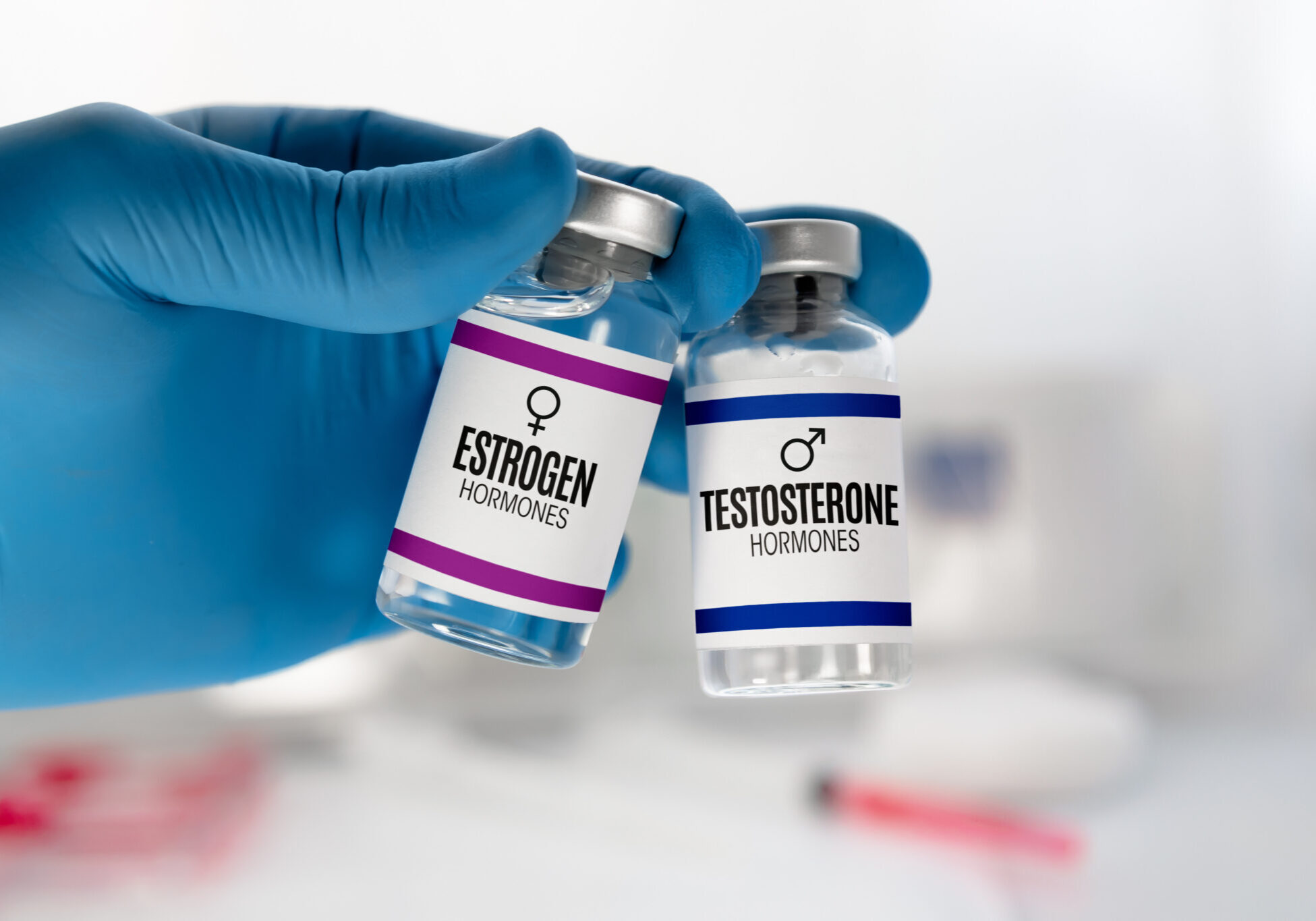
Here’s something I’d push on any provider you consider. Labs come first. For men, testosterone should be checked in the morning and confirmed with a second test on another day, since a single reading can mislead you. For women, perimenopause and menopause are usually diagnosed from symptoms and age, with labs used where they add something. Thyroid concerns need TSH and free T4 at minimum.
A thorough workup also looks wider than one hormone. Blood count, cholesterol, blood sugar, and thyroid function can all explain symptoms or change how safe a treatment is. Sometimes the real problem turns out to be sleep apnea or iron deficiency, and treating that is the smarter move. A practice that tests carefully, and is willing to say “hormones aren’t your issue,” earns trust fast. Nobody should hand you a prescription after ten minutes and a smile.
Options That Fit the Person
There’s no single protocol that suits everybody, and anyone selling one is cutting corners. Women might need estrogen, with progesterone if they still have a uterus, in the form of patches, gels, pills, or local vaginal treatments. Men with confirmed low testosterone might do well with injections, gels, or other delivery methods, depending on their schedule and how their body responds. Thyroid care has its own set of choices too.
Delivery method matters more than people expect. Skin patches and gels bypass the liver, which many clinicians prefer when clotting is a worry. Injections are cheap and effective but can bring peaks and dips. Part of choosing well is picking something you’ll actually stick with. Patients who feel heard tend to ask better questions, and that makes the plan better. Dr Uribe’s patients often mention that the options get explained plainly, with the trade-offs laid out, not buried.
Honest Talk About Benefits and Risks
I’ll be blunt. Anyone who promises you’ll feel twenty-five again is selling something. Hormone therapy can reduce hot flashes and night sweats, improve sleep, lift energy and mood in people with a real deficiency, protect bone, and bring libido back. Those are real wins. But it won’t erase a bad diet, no sleep, or a couch habit, and results vary.
Risks exist too, and they deserve plain language. Oral estrogen carries higher clot and stroke risk than skin options. Combined estrogen and progestin over several years is tied to a small rise in breast cancer risk. Testosterone can raise red blood cell counts, worsen sleep apnea, and cut sperm count, sometimes to near zero, which matters if you want kids. A provider who covers all of this upfront, without you having to drag it out, is showing you exactly how they practice.
How to Find Hormone Therapy Near Me Without Getting Burned
A lot of people just type hormone therapy near me, click the first result, and hope for the best. The top spot is often a paid ad, not a quality ranking, so it pays to look closer. Check who the actual provider is, what their credentials are, how long appointments last, and what follow-up looks like. Then verify the license through your state medical board, which takes a few minutes and is free.
Read reviews with a skeptical eye, especially the three and four star ones, because they tend to include honest details about communication and wait times. And ask about convenience. Telehealth follow-ups can make ongoing care far easier, as long as labs and monitoring are still done properly. Proximity is nice, but quality and follow-through matter more than a short drive.
Follow-Up Is Where Good Care Shows Up

Starting treatment is the easy part. Anyone can write a script. What separates a solid practice from a so-so one is what happens afterward. Expect to start low, give it a few weeks, and adjust. Most providers recheck around three months and six months, then at least once a year. Dose changes, new symptoms, or new medications may call for earlier visits.
Monitoring depends on what you’re taking. Testosterone therapy calls for regular checks of blood count, hormone levels, and prostate health when it’s appropriate. Estrogen therapy involves reviewing symptoms, blood pressure, and screening schedules like mammograms. Thyroid medication means rechecking labs about six to eight weeks after any change. That steady follow-through is a big reason patients feel comfortable with Dr Uribe. They aren’t handed a prescription and forgotten.
Final Thoughts: Is It the Right Fit for You?
So, is Dr Uribe the right choice? If you want a provider who listens first, tests properly, explains risks plainly, and sticks around for follow-ups, that’s a strong case in favor. It won’t be perfect for everyone, and no honest clinic would claim otherwise. Some people aren’t candidates for hormones at all, and a good provider will tell you that. But if you’re tired of being brushed off and want a real plan built around your labs and your life, this is a conversation worth having. Ask questions, bring your medication list, and write down what you want to fix. If you’d like personalized guidance and steady support from people who take your symptoms seriously, AB Hormone Therapy is a solid place to start.
Frequently Asked Questions
What should I expect at my first hormone therapy appointment?
Expect a detailed conversation about your symptoms, medications, and family history, followed by lab work. A good provider won’t prescribe anything before reviewing your results and explaining your options.
Is hormone therapy safe for everyone?
No. People with certain cancers, a history of blood clots or stroke, active liver disease, or unexplained bleeding are often told to avoid it. A full evaluation should come before any prescription.
How long does it take to feel results?
Many people notice changes within a few weeks, such as better sleep or fewer hot flashes. Full results can take two to three months, and muscle or bone changes take longer.
How often are follow-up visits needed?
Most providers check in around three and six months after you start, then at least once a year. You may need extra visits if you change doses or notice side effects.
Can I stop hormone therapy if it isn’t working for me?
Yes. Symptoms can return if you quit suddenly, so it’s best to taper with your provider’s guidance. They can also adjust your dose or switch methods before you decide to stop.

















Comments (0)