

How Retainer Wall Blocks Can Transform Your Outdoor Space in Australia

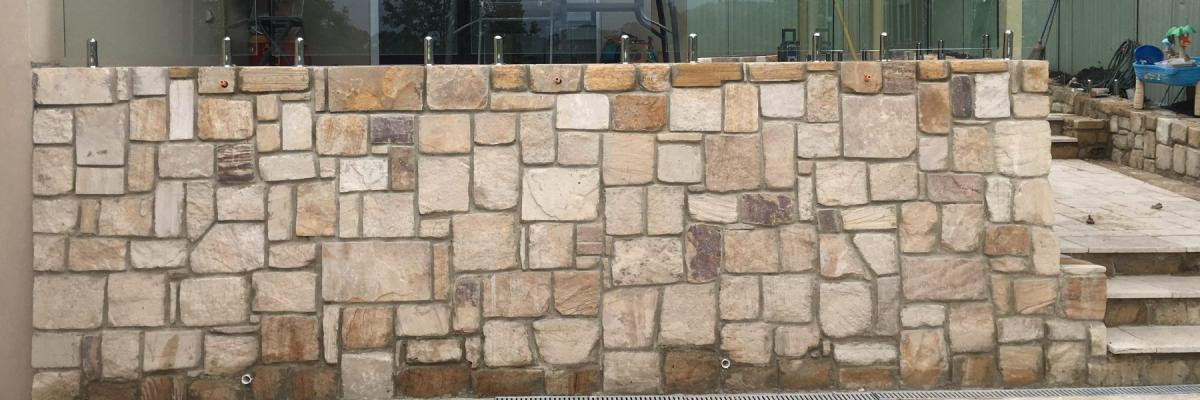
A well-designed outdoor space is not just about beautiful plants, paving and lawns. It also needs practical structures that make the most of the available land. For properties with sloping gardens, uneven ground or soil erosion problems, retaining walls can make a significant difference. They help create usable outdoor areas while adding structure and visual appeal to the landscape.
Retainer wall blocks are a popular choice for residential and commercial landscaping projects across Australia. They offer strength, durability and design flexibility, making them suitable for everything from garden borders to larger structural retaining walls. With different colours, textures and finishes available, homeowners can create outdoor spaces that are both functional and attractive.
If you are planning a landscaping improvement in Canberra, understanding the benefits and installation requirements of block retaining walls can help you make a better decision.
What Are Retainer Wall Blocks?
Retaining wall blocks are specially designed masonry or concrete units used to construct walls that hold back soil. They help manage changes in ground levels and prevent soil from shifting, particularly in sloping areas.
Concrete masonry blocks are widely used because they provide a strong and long-lasting structure. Depending on the design, blocks can be interlocked, mortared or installed using other suitable construction methods.
These walls can serve several purposes, including:
-
Supporting sloping gardens and uneven ground.
-
Creating level areas for outdoor living.
-
Reducing soil movement and erosion.
-
Building raised garden beds and planter boxes.
-
Creating attractive garden boundaries.
-
Improving the overall layout of a landscape.
Their combination of structural performance and attractive finishes makes them a practical landscaping solution.
Why Choose Block Retaining Walls for Your Property?
Choosing the right retaining wall material is important because the structure needs to withstand soil pressure, moisture and changing weather conditions.
1. Strength and Durability
Concrete blocks are designed to provide reliable structural support when installed correctly. A properly constructed retaining wall can withstand everyday environmental conditions and help maintain the shape of your landscaped area.
Quality materials, suitable foundations and professional installation all contribute to the wall's long-term performance.
2. Attractive Colours and Textures
Modern block walls are available in a variety of colours and surface finishes. This allows property owners to select a design that complements their home, garden and surrounding landscape.
Whether you prefer a contemporary appearance or a more traditional outdoor setting, masonry blocks offer plenty of design possibilities.
3. Better Use of Sloping Land
Uneven land can limit how much of your outdoor space you can use. A retaining wall can help create level sections for lawns, entertaining areas, pathways and garden beds.
Instead of leaving a sloping section unused, you can turn it into a more practical and attractive part of your property.
4. Reduced Soil Erosion
Heavy rainfall and water movement can gradually affect exposed soil, especially on sloping properties. A correctly designed retaining wall helps hold soil in place and manage changes in ground levels.
Appropriate drainage is essential to prevent water pressure from building up behind the structure.
Important Considerations Before Installing a Block Wall
A retaining wall is more than a row of stacked concrete blocks. Its foundation, drainage system, wall height and construction method all influence its performance.
Before starting your project, consider the following factors.
Foundation and Footings
A stable foundation provides the support needed for a retaining wall. Depending on the wall height, ground conditions and design, this may involve a compacted road base or a concrete footing.
The installation requirements should always be determined by the wall design and applicable engineering recommendations.
Proper Drainage
Water accumulation behind a retaining wall can create additional pressure and affect its stability.
A suitable drainage arrangement may include:
-
Approximately 200mm of drainage aggregate behind the wall, where specified.
-
An agricultural drainage pipe (AGI line).
-
Appropriate outlets for directing collected water away.
-
Suitable drainage materials and installation methods.
Good drainage helps protect the wall and surrounding landscape from water-related problems.
Block Installation Methods
Depending on the selected block system and structural requirements, blocks may be interlocked, mortared or installed using approved construction adhesives.
Capping blocks can also provide a neat, finished appearance while helping complete the top of the wall.
Choosing the Right Wall Height
Wall height plays an important role in determining the construction method and structural requirements.
Retaining Walls Up to 800mm
Smaller retaining walls may use compacted road base and mortar bedding, depending on their height and site conditions. Sloping ground can require additional support, including concrete footings.
Retaining Walls Over 800mm
Taller retaining walls generally require more specialised construction. Engineered blocks, concrete footings and appropriate structural designs may be necessary.
Professional assessment is particularly important for taller walls because soil pressure, drainage and ground conditions can significantly affect stability.
Always check local regulations and obtain engineering advice where required before construction.
Where Can You Use Concrete Block Walls?
One of the biggest advantages of concrete block retaining walls is their versatility. They can be incorporated into different areas of residential and commercial landscapes.
Popular applications include:
-
Garden walls: Create defined garden sections and attractive boundaries.
-
Raised planter boxes: Build elevated spaces for flowers, herbs and vegetables.
-
Sloping backyards: Make uneven outdoor areas more functional.
-
Landscape terraces: Divide sloping gardens into multiple usable levels.
-
Outdoor entertaining areas: Create flatter spaces for seating and outdoor activities.
With thoughtful planning, Retainer wall blocks can improve both the appearance and usability of your property.
Why Professional Installation Matters
Even high-quality materials cannot guarantee a reliable retaining wall without correct installation. Poor foundations, inadequate drainage or unsuitable construction methods can lead to movement, cracking and other structural problems.
Working with experienced retaining wall contractors helps ensure that the project is assessed and constructed according to its specific requirements.
For Canberra property owners, Retaining Walls Landscaping provides block wall supply and construction services for homeowners, renovators and construction companies. The team works with coloured and textured concrete blocks to create practical retaining structures and attractive outdoor features.
Whether you are planning a small garden wall or a larger landscaping project, professional guidance can help you choose an appropriate solution.
Conclusion
A well-built retaining wall can completely change how you use your outdoor space. From controlling soil movement to creating level garden areas, block walls offer a practical combination of strength, functionality and visual appeal.
Choosing suitable Retainer wall blocks, planning proper drainage and establishing a stable foundation are essential steps towards achieving a long-lasting result.
If you are considering a https://www.retainingwalls-landscaping.com/block-walls/ for your property in Canberra, explore the available options at Retaining Walls Landscaping. Contact the team to discuss your requirements and find a solution that complements your landscape.
Frequently Asked Questions (FAQs)
1. What are retainer wall blocks used for?
Retaining wall blocks are used to support soil, manage sloping ground, reduce erosion and create level outdoor spaces. They are also suitable for garden walls, raised planter boxes and landscape terraces.
2. Are concrete retaining wall blocks durable?
Yes. Quality concrete blocks can provide excellent durability when installed with suitable foundations, drainage and construction methods. Regular inspections can also help identify potential maintenance issues.
3. Do block retaining walls need drainage?
Yes. Proper drainage is important because water pressure can build up behind a retaining wall. Drainage aggregate and agricultural drainage pipes may be used as part of an appropriate drainage system.
4. Can I use retaining blocks for a sloping backyard?
Yes. Retaining blocks are commonly used to manage changes in ground levels and create flatter, more functional garden sections. The wall design should account for the slope and soil conditions.
5. Do taller retaining walls require engineering?
Taller walls generally require more detailed structural consideration. Depending on the site and applicable regulations, engineering advice, designed footings and specialised blocks may be necessary.
6. Where can I get block retaining wall installation in Canberra?
Retaining Walls Landscaping provides retaining block wall supply and construction services in Canberra. Visit the website to explore block wall options and discuss your landscaping project.
















Comments (0)