

Vaccination for Everest Base Camp Trek: What to Get Before You Go
Ready to plan the trek around your preparation? Plan your Everest Base Camp trek with a locally owned team that's guided the Khumbu for over 15 years, or check the full 14-day Everest Base Camp itinerary for dates and inclusions.

Vaccination for Everest Base Camp Trek: What to Get Before You Go
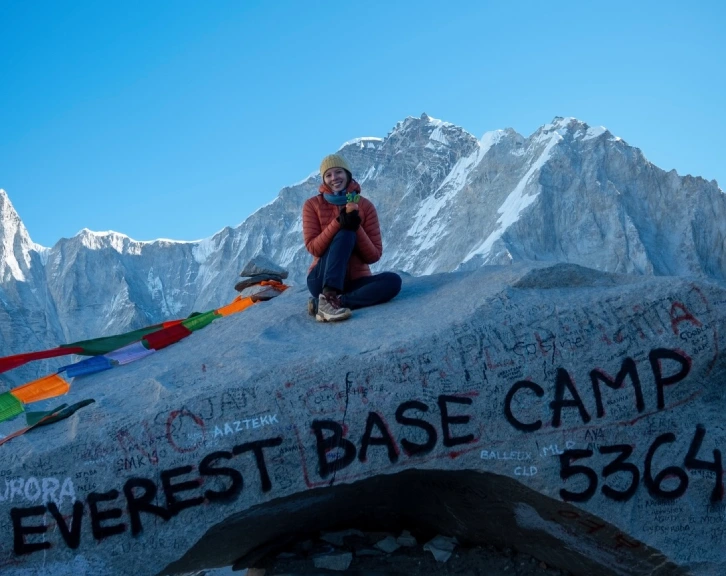
Vaccination planning for the Everest Base Camp Trek is not about the mountain itself. It is about everything around it: the food, the water, the animals, the trail injuries, and the weeks you spend in Nepal before and after the walk. The question is best answered in four categories, and a travel health clinic should confirm the final plan for your own medical history. The route climbs from Lukla at 2,860 metres to Base Camp at 5,364 metres, passing through Phakding, Namche Bazaar, Dingboche, and Lobuche, where food, water, injury, and animal exposure all differ from home.
Booking with Mount Elegance Treks means the trek logistics are handled, but vaccinations are your responsibility and should be sorted four to eight weeks before departure.
Routine Vaccines
Make sure your routine immunisations are up to date. This means MMR, Tdap or Td, polio, influenza, and COVID-19. These are not Nepal-specific, but a trek is a bad time to be unwell with something preventable. Tetanus is the most relevant of the three on the Everest route, because falls on rock, scree, and ice cause cuts that expose open skin to soil-borne bacteria. Adults receive a Td or Tdap booster every 10 years.
Recommended Travel Vaccines
Two vaccines are recommended for almost every Nepal trekker: Hepatitis A and typhoid. Both are spread through food and water, and both are preventable. According to the CDC, typhoid risk among visitors to Nepal ranks among the highest in the world. Hepatitis A is a two-dose series, so start early. Typhoid is available as an injection, which needs one dose at least two weeks before travel, or an oral course of four capsules completed at least one week before departure. The vaccines protect 50 to 80 percent of recipients, so food and water hygiene still matters on the trail.
Risk-Dependent Vaccines
Three more depend on your itinerary and habits. Hepatitis B is worth considering for longer stays or anyone likely to need medical care in Nepal, and it covers a virus spread through blood and body fluids, not food or water. Rabies is worth discussing if you will be around animals, especially dogs in villages and on the trail, since the CDC reports rabies as highly endemic among dogs in Nepal. Japanese encephalitis is generally only relevant for travellers heading to the Terai lowlands, not the Khumbu, and the greatest risk is during and after the monsoon from June to October.
Yellow Fever Certificate
A yellow fever certificate is only required if you are arriving from a country with yellow fever risk, or after an airport transit of more than 12 hours in such a country. It is not a Nepal entry requirement for most travellers. The certificate becomes valid 10 days after vaccination and stays valid for life.
Food, Water, and Trail Hygiene
Most trekking illness is not vaccine-preventable. It comes from contaminated food or water. A study of 283 hikers in the Everest region recorded diarrhoea in 36 percent of participants. Drink only boiled, filtered, or purified water, eat freshly cooked food served steaming, skip raw salads and unpeeled fruit, and carry hand sanitiser. The teahouses on the Everest route are generally reliable, but the basics still matter.
When to Start
Start four to eight weeks before departure. Some vaccines need multiple doses, and some take time to become effective. A traveller departing in under four weeks can still receive single-dose vaccines such as Hepatitis A and injectable typhoid, and start multi-dose series such as rabies on days 0 and 7. A travel health clinic can review your history, your itinerary, and the season, then confirm what you actually need.
Altitude Sickness Has No Vaccine
No vaccine prevents altitude sickness. Acute mountain sickness results from low oxygen at high altitude, not from an infection. The defences are gradual ascent, acclimatization days at Namche Bazaar and Dingboche, early recognition of headache and nausea, and medical management where needed.
The Verdict
Vaccination for the Everest Base Camp Trek is simple once you break it into routine, recommended, risk-dependent, and entry-requirement categories. Hepatitis A and typhoid are the two most trekkers get, and a travel clinic confirms the rest. Sort it early, and the only thing left to worry about is the walking.















Comments (0)