

Surfing Coach to Help You Build Skills and Confidence
Learn how a surfing coach builds skills and confidence with beginner tips, ocean safety advice, and kids and family surf lessons in Kailua-Kona, Hawaii.

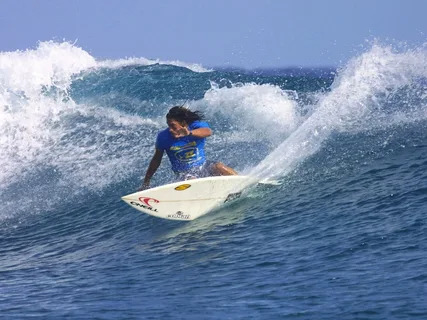
Learning to surf is an exciting way to enjoy the ocean, stay active, and develop new skills. However, surfing can feel challenging for beginners. Understanding ocean conditions, maintaining balance, paddling through waves, and standing on a surfboard all require practice. Working with an experienced surfing coach can make the learning process easier, safer, and more enjoyable.
A surfing coach provides guidance based on a surfer's experience, ability, and personal goals. Whether someone is catching their first wave or improving their technique, professional instruction helps build confidence and develop good surfing habits. Instead of trying to learn everything alone, beginners can receive clear instructions, helpful feedback, and support throughout their surfing journey.
For visitors and residents in Kailua-Kona, Hawaii, surfing also offers a wonderful opportunity to connect with the island's coastal environment. From first-time surfers to families looking for an outdoor activity, the right instruction can turn an unfamiliar experience into a rewarding adventure.
With options such as surfing lessons beginners can follow at their own pace and kids and family surf lessons Kailua-Kona, learners of different ages can explore the sport with proper guidance. Local Boys Surf Adventure is a relevant option for those interested in discovering surfing in the Kailua-Kona area.
1. Why Working With a Surfing Coach Makes a Difference
Surfing involves more than standing on a board. It requires coordination, timing, balance, ocean awareness, and an understanding of how waves move. A surfing coach helps learners develop these skills through structured instruction and practical experience.
Learning the Right Techniques From the Beginning
Beginners often make small mistakes because they do not know the correct techniques. They may position their hands incorrectly, paddle inefficiently, or struggle to maintain balance when standing.
A coach can demonstrate the correct movements and explain how to perform them. This helps beginners understand what they need to improve before developing habits that may become difficult to change.
For example, a beginner may struggle to stand up because their feet are not positioned correctly. A coach can explain where the feet should go and demonstrate how to move from a lying position to a standing position.
Practicing these movements on land before entering the water can make the process easier.
Building Confidence Through Personal Guidance
Fear and uncertainty are common among new surfers. The ocean can feel unpredictable, especially for someone who has never tried surfing.
A surfing coach helps reduce these concerns by explaining what to expect and introducing new skills gradually. Learners can ask questions, receive feedback, and practice at a comfortable pace.
This supportive approach allows beginners to focus on learning rather than worrying about making mistakes.
Improving Faster With Helpful Feedback
Learning independently can make it difficult to recognize mistakes. A surfer may repeat the same movement without understanding why it is not working.
A coach can observe technique and suggest practical improvements. Small adjustments to body position, paddling, or timing can make a noticeable difference in performance.
Professional guidance also helps experienced surfers identify weaknesses and work toward more advanced goals.
2. What Beginners Can Expect From Surfing Lessons
Starting a new sport can feel overwhelming, but well-structured surfing lessons beginners can make the experience easier to understand.
A good lesson introduces essential skills in manageable steps. Instead of expecting students to master everything immediately, instruction should focus on building a strong foundation.
Understanding the Basics Before Entering the Water
Before surfing begins, students need to understand basic equipment and ocean safety.
A beginner lesson may cover:
-
The different parts of a surfboard.
-
How to carry and position a surfboard.
-
Basic paddling techniques.
-
Proper body positioning on the board.
-
How to maintain balance.
-
Basic wave awareness.
-
Important water safety practices.
Understanding these basics helps learners feel more prepared when they enter the water.
Practicing the Pop-Up Technique
The pop-up is one of the most important skills in surfing. It describes the movement used to transition from lying on the surfboard to standing.
Beginners often find this movement difficult because it requires strength, coordination, and timing.
A surfing coach can break the technique into smaller steps:
-
Lie on the surfboard with the body centered.
-
Place the hands near the chest.
-
Push the upper body away from the board.
-
Bring the feet underneath the body in one controlled movement.
-
Bend the knees and maintain a balanced stance.
-
Keep the eyes looking forward rather than down.
Practicing the movement on land helps learners understand the sequence before attempting it in the water.
Learning How to Catch Small Waves
Catching a wave requires understanding timing, positioning, and paddling.
Beginners usually benefit from learning in suitable conditions with waves appropriate for their experience level.
A coach can explain when to start paddling, how to position the board, and how to recognize a suitable wave.
The first successful ride does not need to be long or fast. Even catching a small wave and maintaining balance for a few seconds can be an important achievement.
With regular practice, learners can gradually improve their timing and control.
3. How a Surfing Coach Helps Develop Important Skills
Surfing requires several physical and practical abilities. A surfing coach helps learners develop these skills together rather than focusing only on standing on a board.
Improving Balance and Body Control
Balance plays a major role in surfing. The surfer must adjust body position while the board moves across changing water conditions.
Beginners can improve balance by practicing simple exercises, such as:
-
Standing on one leg.
-
Performing controlled squats.
-
Practicing a balanced surfing stance.
-
Improving core strength.
-
Working on flexibility and coordination.
These activities can support surfing performance by helping learners control their movements.
A coach can also explain how bending the knees, keeping the body relaxed, and distributing weight properly can improve stability.
Developing Better Paddling Techniques
Paddling helps surfers move through the water and reach suitable wave positions.
Poor paddling technique can make surfing tiring. Beginners may use too much energy, move inefficiently, or struggle to keep their boards straight.
A coach can demonstrate how to position the body on the board, use alternating arm movements, and maintain a steady paddling rhythm.
Improving paddling technique helps surfers use their energy more effectively.
Understanding Wave Timing and Positioning
Knowing when and where to catch a wave is an important part of surfing.
Beginners may paddle too early, too late, or in the wrong direction. They may also position themselves where waves are unsuitable for their ability.
A surfing coach can explain basic wave patterns and help students understand how to choose an appropriate starting position.
Over time, learners become better at recognizing wave movement and making decisions independently.
Developing Ocean Awareness
Surfing requires respect for the ocean. Conditions can change, and different beaches may have different hazards.
Students should learn about:
-
Ocean currents and rip currents.
-
Wave size and direction.
-
Water depth.
-
Rocky areas and other underwater hazards.
-
Other surfers and water users.
-
Local surfing etiquette.
These lessons help surfers make more informed decisions and recognize when conditions may be unsuitable.
4. Kids and Family Surf Lessons in Kailua-Kona
Surfing can be an enjoyable activity for families who want to spend time outdoors and experience Hawaii's coastal environment.
Kids and family surf lessons Kailua-Kona are particularly relevant for families interested in introducing children to surfing while enjoying a shared learning experience.
However, children and adults may have different learning needs. Age, comfort in the water, swimming ability, physical development, and previous experience can all influence how someone approaches surfing.
Introducing Children to Surfing
Children often enjoy activities that involve movement, exploration, and play. Surfing can introduce them to a new sport while helping them develop coordination and confidence.
A beginner-friendly lesson should introduce basic skills without putting unnecessary pressure on children to perform.
Young learners may start by:
-
Becoming comfortable with the surfboard.
-
Practicing simple balance movements.
-
Learning basic ocean safety.
-
Understanding how to follow instructions.
-
Trying suitable waves with proper supervision.
The goal should be to make the experience positive and encourage children to enjoy learning.
Making Surfing a Family Activity
Family surfing lessons allow parents and children to experience something new together.
Parents can encourage their children, celebrate small achievements, and learn alongside them. This creates opportunities for shared experiences beyond traditional sightseeing and beach activities.
For example, a family visiting Kailua-Kona might spend part of the day learning basic surfing techniques before enjoying other beach activities.
Families should choose instruction that considers the different abilities and comfort levels of each participant.
Why Safety Matters for Young Surfers
Children require careful supervision around the ocean. Even confident swimmers may need time to become comfortable with waves and moving water.
Parents should consider several factors before arranging a lesson:
-
The child's swimming ability.
-
Comfort with being in the ocean.
-
Age-appropriate instruction.
-
Suitable surfboard size and equipment.
-
Current ocean conditions.
-
The level of supervision provided.
Families should also ask about lesson requirements, safety procedures, and whether the instruction is suitable for their children's ages and experience.
A positive introduction to surfing should always put safety and enjoyment before performance.
5. Choosing the Right Surfing Coach in Kailua-Kona
Choosing an appropriate instructor is an important step for anyone planning to learn surfing.
Not every learner has the same needs. A complete beginner requires different guidance from someone who already understands paddling, wave selection, and basic board control.
Finding an instructor who can explain techniques clearly and adapt instruction to individual ability can improve the learning experience.
Look for Relevant Teaching Experience
Experience in surfing is valuable, but teaching ability is equally important.
A good instructor should be able to explain techniques in simple language, demonstrate movements, and recognize when a learner needs additional support.
Beginners should look for someone who understands the challenges of first-time surfers and can provide clear instructions without making the lesson feel rushed.
Ask About Safety Practices
Safety should be one of the main considerations when choosing a surfing coach.
Before booking, students should ask about:
-
Instructor qualifications and relevant experience.
-
Safety procedures during lessons.
-
Student-to-instructor arrangements.
-
Equipment provided.
-
How ocean conditions are assessed.
-
What happens if conditions are unsuitable.
These questions help learners understand what to expect and make a more informed decision.
Consider Individual Learning Goals
Different people have different reasons for taking surfing lessons.
Some want to stand on a surfboard for the first time. Others want to improve their paddling, become more confident in the water, or develop better wave awareness.
Families may also need instruction that accommodates children and adults with different skill levels.
A suitable coach should understand these goals and help learners focus on achievable improvements.
Explore Local Instruction Options
Local knowledge can be helpful when learning to surf in Hawaii. Understanding beach conditions, wave patterns, and local surfing practices can support a more informed lesson experience.
People interested in surfing in the area can explore Local Boys Surf Adventure as an option when researching local surf instruction.
Before making a booking, prospective students should confirm the available lesson types, instructor experience, age requirements, equipment arrangements, and safety practices directly with the provider.
6. Essential Preparation Before a Surfing Lesson
Preparing for a surfing lesson can make the experience more comfortable and enjoyable.
Beginners do not need to be expert swimmers or experienced athletes to start learning. However, they should understand the lesson requirements and arrive ready to follow instructions.
Bring the Right Essentials
Having the necessary items can make a day at the beach easier.
Common items to consider include:
-
Swimsuit or comfortable swimwear.
-
Reef-safe sunscreen.
-
Towel.
-
Drinking water.
-
Change of clothes.
-
Sun protection, when suitable.
-
Any personal items recommended by the instructor.
Students should check whether surfboards and other equipment are included before bringing their own gear.
Understand Basic Ocean Safety
The ocean is constantly changing, so surfers should never assume that conditions are always safe.
Before a lesson, beginners should understand the importance of following their instructor's directions.
They should also avoid entering the water independently when conditions are unfamiliar or unsuitable.
Important safety habits include:
-
Never ignoring safety instructions.
-
Staying within the designated learning area.
-
Keeping a safe distance from other surfers.
-
Avoiding unfamiliar waves and currents.
-
Communicating discomfort or concerns.
-
Respecting changing ocean conditions.
Anyone who feels uncomfortable should tell the instructor rather than trying to continue.
Set Realistic Expectations
Learning to surf takes patience. Some beginners may stand on a board during their first lesson, while others may need more time to develop balance and coordination.
Both experiences are normal.
Instead of measuring success by the number of waves caught, learners should focus on individual improvements.
For example, successfully paddling into position, maintaining balance while lying on the board, or understanding how to approach a wave are all valuable achievements.
A positive mindset helps beginners stay motivated and enjoy the process.
7. Building Long-Term Confidence and Improving Surfing Performance
A surfing lesson is a starting point rather than the end of the learning process.
Developing consistent skills requires practice, patience, and a willingness to learn from mistakes. A surfing coach can help students identify their next goals and work toward improving their overall performance.
Practice One Skill at a Time
Trying to improve every aspect of surfing at once can make learning confusing.
Instead, beginners should focus on one skill during each practice session.
For example:
-
One session can focus on paddling technique.
-
Another can focus on balance and body position.
-
Another can focus on the pop-up movement.
-
Later sessions can introduce wave selection and positioning.
Breaking the learning process into smaller goals makes progress easier to understand.
Learn From Mistakes
Falling is a normal part of surfing. Even experienced surfers lose their balance or miss waves.
Rather than viewing mistakes as failures, learners should use them as opportunities to understand what needs improvement.
A coach can explain why a particular attempt did not work and suggest a different approach.
For instance, a surfer who repeatedly falls backward may need to adjust their weight distribution or improve their stance.
Recognizing these patterns helps learners become more confident and independent.
Develop Respect for Surfing Etiquette
Surfing takes place in shared ocean spaces. Respecting other surfers is important for maintaining a positive and safe environment.
Beginners should learn basic surfing etiquette, including:
-
Respecting the surfer who has priority on a wave.
-
Avoiding dropping in on another surfer.
-
Keeping a safe distance from other boards.
-
Not paddling directly into another surfer's path.
-
Following local beach rules.
-
Showing consideration toward other ocean users.
Understanding these practices helps new surfers become responsible members of the surfing community.
Continue Learning at a Comfortable Pace
As confidence improves, surfers can gradually explore new techniques and suitable conditions.
However, progressing does not mean rushing into larger waves or unfamiliar locations.
Surfers should continue assessing their abilities, understanding ocean conditions, and seeking guidance when needed.
A strong foundation in safety, balance, paddling, and wave awareness makes it easier to develop more advanced skills over time.
For anyone beginning their surfing journey in Kailua-Kona, consistent practice and suitable instruction can help turn an unfamiliar activity into a rewarding long-term interest.
Conclusion
Learning to surf is an exciting opportunity to build physical skills, develop confidence, and enjoy the ocean. However, becoming comfortable on a surfboard requires patience, proper technique, and an understanding of water safety.
Working with an experienced surfing coach helps beginners learn essential movements, improve balance, understand wave behavior, and develop responsible surfing habits. Professional instruction can also benefit children, families, and more experienced surfers who want to improve their performance.
For those exploring surfing in Hawaii, kids and family surf lessons Kailua-Kona offer an opportunity to introduce loved ones to this rewarding activity. Exploring local options such as Local Boys Surf Adventure can be a useful starting point when researching available instruction.
The best approach is to start with achievable goals, choose suitable instruction, and enjoy every stage of the learning process. With the right guidance and consistent practice, anyone who meets the lesson requirements can begin developing the skills and confidence needed to enjoy surfing.
Ready to take the first step? Explore local surfing lesson options, ask the right questions, and discover how professional guidance can make the surfing experience more enjoyable.



















Comments (0)