Mixing Services Buyer Guide: What Separates a Pro Mix from a Template Mix
Learn how mixing services shape a pro mix through vocal focus, speaker translation, mix depth, automation, loudness control, and workflow.
 niteowlmusicservices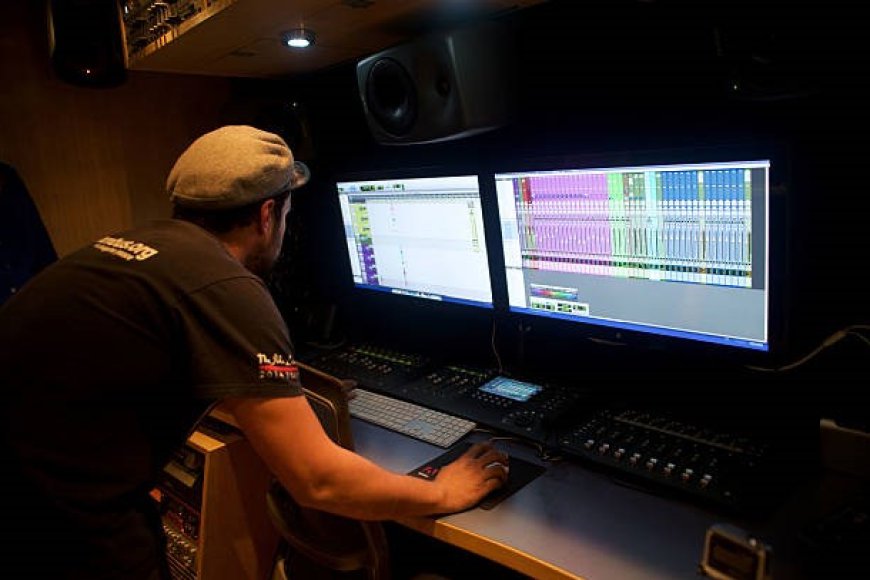
Every memorable song has one thing in common: it connects with listeners no matter where they press play. Whether it’s streaming through studio monitors, earbuds, a car stereo, or a smart speaker, a great mix helps every musical detail shine. That’s why investing in professional mixing services isn’t simply about making a track louder; it’s about giving your music the clarity, emotion, and balance it deserves before it reaches the world. For artists preparing a serious release, that confidence matters from the first listen.
Key Takeaways
-
A pro mix makes every choice intentional. Vocals, drums, bass, space, and effects are shaped around the song.
-
A pro mix translates across real life. It sounds strong on earbuds, in cars, on laptops, on phones, and on smart speakers.
-
A pro mix protects the final release. It leaves room for mastering, emotion, and long-term replay value.
6 Pro Mix Characteristics That Make Mixing Services Better Than a Template Mix
Emotion-First Vocal Placement
One of the clearest signs of a professional mix is how naturally the vocal leads the song. It is not just louder than everything else; it sits where the emotion needs it. A verse may feel close and personal, while a hook may open wider so the message lands with more lift. If doubles or ad-libs are present, they support the lead instead of pulling attention away from it.
That is where professional mixing creates real value. A pro engineer listens to tone, breath, consonants, harmony stacks, and lyrical moments before making changes. In a Luminate report, over 45% of U.S. music listeners said AI-generated music made them feel either very or somewhat uncomfortable. This reinforces a broader point: listeners still care about human creative judgment, especially when emotion, vocal feel, and performance choices shape the final song. The goal is not a generic “radio vocal.” The goal is a vocal that feels believable, clear, and emotionally connected to your record.
Translation Across Every Speaker
One of the biggest differences between a pro mix and a template mix is how well the song travels. A template may sound exciting in one room, but a pro mix keeps the kick, bass, vocal, and hook balanced across earbuds, car speakers, laptops, phones, and smart speakers. That takes careful control, not random boosting.
According to Xposure Music, the independent music space is crowded, but that does not mean artists are out of options. If your sound aligns with the right audience, every clear first listen can move the needle. Professional audio services help you sound confident in real playback situations, so listeners connect with the song rather than noticing mix issues.
Three-Dimensional Mix Depth
One of the most noticeable signs of a professional mix is depth. The vocals feel close, the drums have weight, the instruments spread naturally, and background textures add color without crowding the lead. A template mix often makes everything wide at once, which can sound big for a moment but tiring after a full song.
That is why a song-first approach matters. Reliable mixing services like Nite Owl Music Services can help shape the space around the performance rather than forcing every track into the same preset feel. The goal is not more reverb or effects. The goal is placement, so every sound has a role, a position, and a reason to be there.
Automation That Enhances Performance
One of the biggest signs of a pro mix is movement. A vocal may rise slightly at the end of a phrase, a delay may appear on one important word, or a harmony may lift just enough to make the chorus feel larger. These choices are small, but they make the record feel alive.
This is where qualified mixing services go beyond static balance. A template can set levels, but it cannot feel the performance moment by moment. A pro engineer rides emotion, transitions, hooks, and space so the song keeps unfolding naturally. In the RIAA year-end poll, nearly 3-to-1 voters opposed AI replacing human creativity. The listener may not notice the automation, and that is the point. They feel the track pulling them forward.
Mastering-Ready Dynamic Balance
One of the most important signs of a professional mix is that it still has life before mastering. Loudness matters, but if a song is pushed too hard too early, the final version can lose punch, depth, and replay value. A pro mix keeps the drums moving, the vocals smooth, and the overall level controlled, so the master can add polish rather than fix the mix under pressure.
That’s where the Audio Engineering Society Loudness Project also supports the idea that loudness is not just “make it louder.” It affects how music feels during production, delivery, and playback. When a mix leaves healthy dynamic space for professional mastering, the final release can sound stronger across platforms while still feeling open, musical, and easy to enjoy.
Mix Decisions, Not Default Settings
One of the biggest signs of a professional mix isn’t how many plugins are used—it’s why they’re used. Every EQ adjustment, compressor setting, delay, or saturation choice should solve a specific musical need. If the vocal already sounds open, it doesn’t need extra brightness. If the drums already have punch, adding more compression may actually reduce their impact. A pro mix is built through deliberate decisions, not automatic processing.
A better way to judge a template is by the result it creates. In a real song-first mixing workflow, the mix doesn’t get brighter, tighter, wider, or louder by default. Those changes happen only when they improve the record. That outcome matters because the final song retains its own personality rather than sounding like it was pushed through the same chain as every other track.
Summing Up Why Pro Mix Wins
A template mix can be useful for demos, rough ideas, and quick content. But when a song is ready for release, it deserves thoughtful decisions. You want vocal focus, speaker translation, mix depth, performance movement, mastering-ready balance, and processing choices that serve the music. Mixing Services should make your track feel more polished and more personal. When the mix supports the record, listeners do not think about the process—they feel the song and want to hear it again.
FAQs
What makes a pro mix different from a template mix?
A pro mix responds to the song’s vocals, groove, emotion, arrangement, and release goals, while a template mix often applies the same settings without fully responding.
Do I need mixing before mastering?
Yes. Mixing builds the balance, space, and emotion of the song. Mastering then prepares the final version for release, playback consistency, and platform-ready polish.
How do I know if my mix is ready for release?
Play it in the car, on earbuds, through a phone speaker, and on headphones. If the vocals sound clear, the low end stays controlled, and the song still feels emotional, you’re much closer.