New Data Center Security Framework in Saudi Arabia is Introduced
 expnadeem
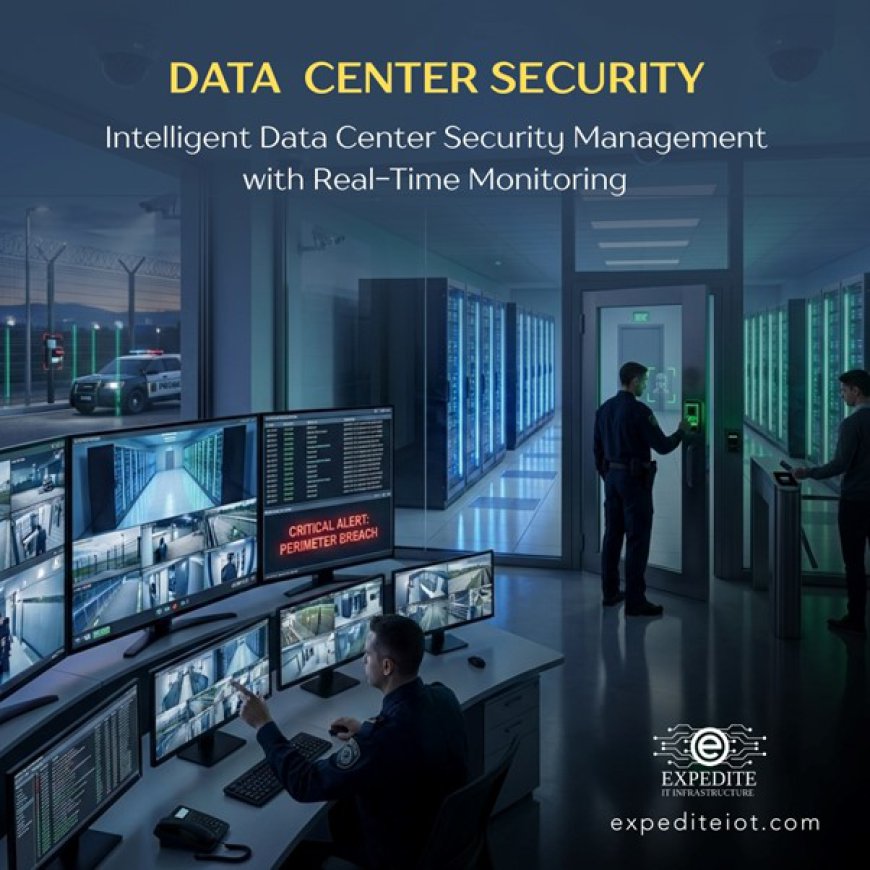
As a part of Vision 2030, Saudi Arabia is enhancing its digital infrastructure where data centers are pivotal in aiding cloud computing, smart cities, financial systems, healthcare networks, and government services. With the increasing complexity and occurrence of cyber threats, the Kingdom is unveiling a sound security system that is capable of safeguarding sensitive information and continuity of operation. The new framework revolves around the high level of protection technology, real-time monitoring, and strict access control in order to protect the mission critical environments.
Data Center Security: The Foundation of Digital Protection
Data Center Security can be described as the entire spectrum of physical and electronic controls that are used to secure servers, storage systems, networking devices, and sensitive data that they handle. It encompasses perimeter security, surveillance, environmental monitoring, cybersecurity procedures, as well as disaster recovery planning. The elevated security of data centres on the rapidly expanding digital ecosystem in Saudi Arabia offers business resilience, regulatory and data sovereignty in the land. In the presence of both internal and external threats, a multi-layered security system is required in case of these threats.
Firewalls in Data Centres: The Final Barrier of cyber security.
Data Center Firewalls serve as a security wall between the internal traffic and the outside world. The detection of these advanced firewalls viewed both incoming and outgoing packets of data, blocking access by unauthorized sources, and preventing malpractices like Distributed Denial-of-Service (DDoS) attacks or unauthorized access. Current firewalls have deep packet inspection, intrusion prevention systems (IPS), and application-level filtering to offer more control on network traffic. That is through the implementation of high-performance firewalls Saudi data centers will be able to guard sensitive infrastructure against cyber-attacks without compromising on performance.
Cybersecurity for Data Center: Comprehensive Digital Protection
Cybersecurity of Data Center refers to policies, technologies and best practices that are utilized to ensure protection of the digital assets against the cyber threat. These encompass encryption mechanisms, endpoint defense, vulnerability tests, security information and event management (SIEM) and threat intelligence infrastructure. Cybersecurity systems are also associated with periodic penetration testing and compliance audits to find and fix gaps in advance. Saudi Arabian organizations can prevent data breaches, ransomware attacks, and insider threats that can probably disrupt essential services through an increased cybersecurity of data centers.
Threat Detection: Data Center Real-time Monitoring and Response.
Threat Detection of the data center is also an important aspect of the new structure and it is geared towards identifying potential security scenarios in advance before they degenerate into serious cases. The state-of-the-art detection systems are grounded in artificial intelligence and machine learning that can analyse network traffic and identify anomalies and create real-time alerts. Such systems can identify abnormal patterns, unauthorized users or malicious user behaviour. This is because early detection can give a security team time to act fast, which limits the amount of damage thus guaranteeing smooth running.
Data Center Access Control: Securing Physical Infrastructure
Whereas cybersecurity helps defend against attacks of digital systems, Data Center Access Control helps prevent entry into sensitive zones by unauthorized people. The access control systems can consist of biometric authentication, smart cards, multi-factor authentication, and a rigid visitor management rule. Physical security reduces the possibilities of sabotage, theft or even unintentional damage of critical infrastructure. Comprehensive access and monitoring system logs also enhance responsibility and compliance with the country-wide standards of security.
Integrated and Layered Security Approach
The new framework of Saudi Arabia focuses on the multi-layered approach that incorporates both physical and cyber security. Integration of high-performance firewalls, robust cybersecurity policies, intelligent threat detection and controlled physical access leads to an integrated system of defense. This combined methodology will enhance resilience to the ever-changing cyber threats and will help the Kingdom to realize its vision of becoming a digital hub in the world.
Conclusion
The new security framework in Saudi Arabia confirms the significance of holistic Data Center Security, as a way of securing the national electronic infrastructure. Increased Data Center Firewalls have high perimeter protection to external cyber threats. Data Center strategies are robust Cybersecurity that provides protection by encryption, monitoring and compliance. Intelligent Data center Threat Detection allows detecting suspicious activity in real-time and responding to it quickly. Tight Data Center Access Control provides security of physical surroundings and unauthorized access. The combined efforts of these integrated measures form a resilient, future-ready security ecosystem that promotes the digital development of Saudi Arabia and provides an operational stability of the critical sectors.
FAQs
1. What is the relevance of a data center security in Saudi Arabia?
Financial and business data, including that of the government is highly valued and stored in data centers hence the need to ensure high-security to prevent breach of the data and resume the services.
2. What is the purpose of data center firewalls?
They are also used as a barrier between the internal systems and the external networks where they filter the traffic and block malicious activities.
3. How can the security of data centers be better with the help of threat detection?
Threat detection systems to detect the abnormality in real-time network traffic and allow prompt response to incidents.
4. What does cybersecurity imply concerning data centers?
It includes the encryption, endpoint protection, vulnerability management tools, monitoring tools, and compliance audits.
5. Why should data centers physically be access controlled?
Physical access control removes unauthorized privileged access, insiders, and secures the critical hardware infrastructure.
For more information contact us on:
Expedite IT
+966 502104086
Office No 01, Conference Building (Kirnaf Finance), Abi Tahir Al Dhahabi Street,
Al Mutamarat, Riyadh 12711, Saudi Arabia
Or click on the below link for more information:
https://www.expediteiot.com/data-center-perimeter-security-in-saudi-arabia/