Patient Engagement Solutions That Build Trust Improve Care Drive Growth
Discover how patient engagement solutions improve communication, boost patient satisfaction, enhance outcomes, and integrate with practice management software.
 julialubey
Why Patient Engagement Solutions Matter More Than Ever
The way we treat patients has evolved in the past few years. Patients want more than high-quality healthcare today. They expect ease of access. They are looking for quick and efficient communication. They'd like to schedule appointments online, get reminders or access their records and receive answers quickly without having to wait for more than 20 minutes. The shift in healthcare has caused professionals to think about their interactions with the patients.
That's this is where strategies for engaging patients can be found. They help doctors build more positive relationships with their patients prior to as well as following visits. It's not just about making sure that patients are up to date. The goal is to help them remain engaged in their healthcare process.
A lot of providers still use outdated processes and manual procedures. This results in missed appointments, communication issues, and unhappy patients. The modern patient engagement platform solves these issues through facilitating more seamless interactions throughout the course of treatment. If patients are secure and knowledgeable They are more likely to stick with the treatment plan, make appointments and be able to feel confident in their doctors and nurses.
It's pretty straightforward. Engagement with patients is often the key to greater results. In healthcare, this is more important than anything other thing else.
The Connection Between Patient Experience and Practice Success
Many healthcare institutions are focused on improving their clinical performance. That's important, obviously. However, patients tend to judge their experiences on the basis of events which occur outside of the examination room.
Consider how difficult it can be when you have to fill in the exact same form over and over again. Wait for days to receive an answer. It can be a challenge to get the test results. This can cause friction even if the medical treatment is top-quality.
Effective patient engagement solutions help to reduce the frustration. They improve communication and also make the patients feel more valued. Appointment reminders decrease no-shows. Secure messaging enhances communications. The digital intake forms help reduce time. The small improvements can add up fast.
If patients experience a pleasant encounter, they're more likely to visit again and refer the clinic to friends and family. It is important to spread the word about health care. Perhaps more so than patients are aware of.
Scores of satisfaction with patients tend to improve as engagement tools are utilized effectively. They can also directly affect the reputation of a business as well as retention rates and the long-term success. This isn't just about technology. It's about creating an improved experience for people who actually live there.
How Digital Communication Improves Patient Engagement
Communication is always at the core of health care. However, today the patients want communication to occur according to their own terms.
Telephone calls aren't enough to do the cake now. People prefer texts, emails portals for patients, mobile applications. They prefer choices. They are looking for the flexibility.
Modern practice management software provide multiple channels for communication that allow providers to communicate to patients with ways that are comfortable and not interrupting. Automated reminders can reduce the number of appointments missed. Following-up emails encourage patients to adhere to treatment. The educational content will help patients know their medical conditions and strategies.
The most interesting thing is that even the smallest changes in communication can yield unexpectedly large-scale effects. Simple reminders will help you avoid missing an appointment. A follow-up message can encourage medication compliance. Portal notifications can cut down on unwanted telephone calls.
Patients are awed by openness. They value access. When communication is made more simple, the likelihood of engagement increases naturally.
Why Practice Management Software Plays a Critical Role
Any discussion on patient engagement can be enough without discussing the practice administration software. They work in tandem though they perform distinct purposes.
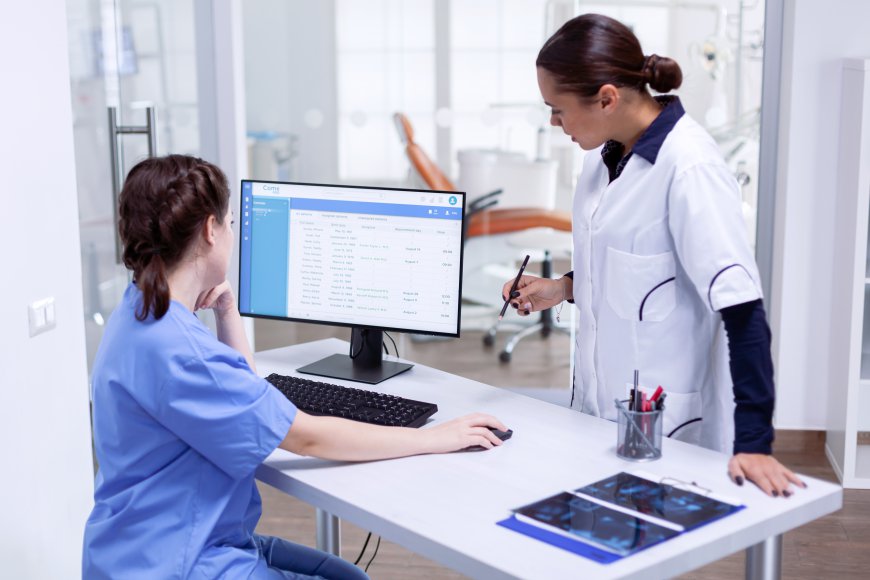
Practice management software can help health organizations to organize scheduling, billing registration, verification of insurance, reports, as well as administrative workflows. Platforms for patient engagement are built on top of these procedures by enhancing the patient interaction.
When the systems work together well, things become more efficient. The appointment data is automatically transferred. The reminders can be triggered with no any manual effort. Patient information stays consistent across systems. Staff members are less busy doing repetitive work.
There are many healthcare organizations that discover that engagement efforts struggle because their systems of operation are not up-to-date. It is possible to have the most effective method of communication in the world However, if your scheduling process cannot be organized, or information for patients cannot be accessed, issues occur.
It's the reason why companies are increasingly looking for options that blend engaging capabilities and powerful practice management software capabilities. It's not just about automation. It's about creating an environment that improves employee efficiency as well as patient satisfaction.
Key Features Found in Effective Patient Engagement Solutions
Every engagement platform doesn't offer the same benefits. Certain platforms focus on communicating. Some focus on educational, scheduling, or self-service for patients.
Effective strategies for patient engagement generally have several key features. Online appointment scheduling permits patients to schedule appointments at times that are convenient for them. Automated reminders help reduce the number of non-shows. Secure messaging enables direct communication. Digital forms streamline registration processes. Patient portals allow users with access to medical records as well as tests results.
Telehealth is also becoming more important. A lot of patients are now expecting the option of virtual healthcare when it is needed. Education resources, surveys as well as feedback tools are a great way to enhance the engagement of patients.
The most important thing is not being able to use every feature. The key is to select features that address actual problems for patients as well as employees. A lot of complexity could make it difficult for patients to adopt.
The most successful practices typically begin with just a handful of high-impact equipment and grow gradually. Focus is on improving the overall experience for patients, not just adding new technological devices.
Reducing Administrative Burden for Healthcare Staff
Health professionals already have a lot tasks to attend to. Administration tasks take up a huge quantity of time and energy. Employees are often juggling schedules, insurance verification and billing questions as well as patient follow-ups and many other duties.
That's where thoughtfully designed strategies for patient engagement add value above and over the actual experience of the patient.
Automated appointment reminders cut down on the number of calls that are outbound. Digital forms eliminate manual data entry. Scheduling online reduces work for front desk personnel. Self-service portals enable patients to get information at their own pace.
It means lower administrative burden and more time to focus on meaningful patient interaction.
Additionally, the integrated Practice management software can streamline the workflows behind the back. Employees spend less time searching for paperwork and spending better time on providing care to patients.
The issue of burnout is a significant one in the healthcare. Even though technology doesn't provide a full solution, eliminating the amount of administrative tasks that are repetitive can make a significant improvements. Numerous organizations report that the use of management tools and engagement enhance staff satisfaction as well as the satisfaction of patients.
This is a victory that health leaders would be happy to have.
Using Data to Create Personalized Patient Experiences
Patients do not want standard healthcare experience. They seek care that's pertinent to their individual requirements and needs.
The latest technology for engaging patients allow for personalization using patient data and preferences for communication. Healthcare providers can deliver targeted educational material, preventive health reminders, wellness tips and follow-up emails according to the specific patient profile.
In this case, for example, a person with diabetes could get different information as compared to someone who is who is recovering from a surgery. Parents who schedule appointments for their children might receive personalized reminders tailored to the needs of their family.
The personalization of your experience increases the likelihood that you will be engaged because it is more meaningful than being just a marketing tool.
The data insights can assist healthcare institutions in identifying the trends and opportunities. Healthcare providers can track appointment time or communication preferences, web use of portals, as well as the feedback of patients to continuously optimize the strategies for engagement.
Healthcare professionals often talk about providing care that is patient-centric. Personalized engagement tools can help translate the concept into something concrete and quantifiable.
The Impact of Engagement Solutions on Patient Outcomes
One of the main argument for investing in methods for engagement with patients could be the impact they can have on the health results.
People who are actively engaged are typically more likely to adhere to treatments, make appointment for follow-up visits, consume medication as directed and actively participate when managing chronic ailments. This can lead to longer-term outcomes.
Technology alone does not improve the results. Human relationships still matter. Expertise in clinical practice is still important. Engagement tools aid in those efforts, keeping patients aware and engaged throughout their treatment process.
Think about a patient recuperating from an operation. Automated follow-up communication can offer guidelines, respond to common questions and help identify issues early. The constant contact helps decrease the amount of confusion and increase the compliance of employees.
Similar to preventive reminders, they promote vaccinations, screenings and wellness sessions that may otherwise go unnoticed.
Health care providers are becoming more aware the importance of engagement in healthcare delivery. Engagement is a crucial aspect of providing quality healthcare in the first place.
Choosing the Right Patient Engagement and Practice Management Platform
The process of selecting the appropriate technology may seem confusing. There are numerous companies, numerous features, as well as a myriad of promises from marketing.
The most effective approach is to be focused on your needs instead of flashy features.
Healthcare companies should consider the extent to which a system integrates to workflows already in place. It is important to make the process easy. Scalability is important. Security is important. Support also matters, perhaps greater than what vendors often acknowledge.
A strong strategies for patient engagement can simplify procedures instead of making them more complicated. Patients don't require a lot of training for using the solutions. Personnel shouldn't have to struggle for months with the implementation.
Integrating to practices Management software is particularly important. Systems that are not connected often cause additional work, rather than reducing the amount of work.
Companies should also think about potential growth in the near future. Healthcare is constantly evolving and investments in technology should be geared towards long-term objectives rather than just solving the current issues.
A good platform can increase efficiency, increases communication and improves relationships with patients without adding extra burdens.
Conclusion: Patient Engagement Solutions Are Becoming Essential Healthcare Tools
Healthcare is getting more integrated, digital and more focused on patients. The expectations continue to rise. Patients expect convenience, honesty as well as meaningful communications throughout their experience with healthcare.
This is precisely why strategies for engaging patients are now such effective instruments for healthcare institutions of the present. They enhance communication, improve the relationships between patients and healthcare professionals, ease administrative costs, and help to achieve improved health outcomes.
In conjunction with the most powerful software for managing practices These solutions form the foundation to ensure efficient operation and exceptional customer experiences. Healthcare providers can streamline processes, increase satisfaction and establish stronger relationships to the patients they care for.
The at the end of the day the healthcare industry is still focused on individuals. The best technology works when it assists providers in providing more customized efficient, affordable, and accessible healthcare. Organizations that are embracing patients' engagement in the present will be able to thrive within a health care landscape that is changing possibly faster than any one could have ever.