Repairing Rotted Logs in a Log Home to Restore Strength and Beauty
 julialubey
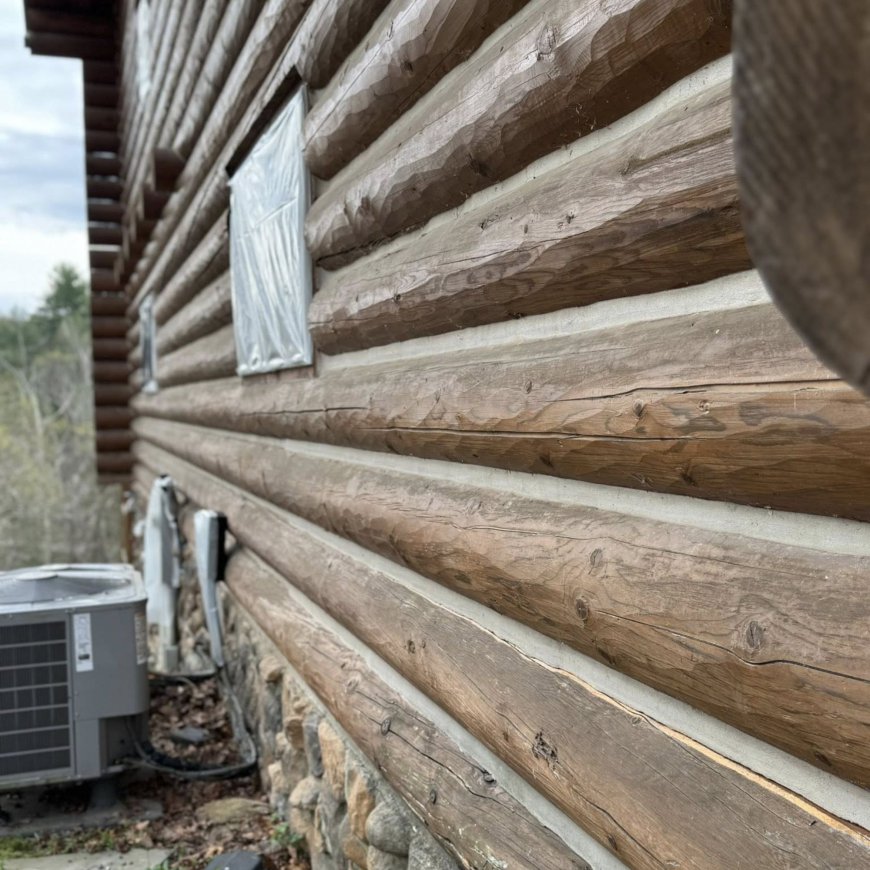
Owning a log home is different from owning a regular house. You feel every season in it. The wood moves, breathes, changes color over time. And honestly, that’s part of the charm. But when decay starts creeping in, things can get ugly fast. A lot of homeowners put repairs off because the damage looks “small.” That’s usually where the trouble starts. When it comes to repairing rotted logs log home problems, waiting almost always makes the repair bigger, messier, and more expensive later.
Truth is, log rot rarely stays in one place. Moisture gets in, wood fibers soften, insects move in behind it, and suddenly a tiny soft spot becomes structural damage. Not good. The good news though, most rotten logs can be repaired if caught early enough. You don’t always need a full rebuild. Sometimes you just need the right approach and somebody who actually understands log structures instead of treating them like standard framing lumber.
How Log Rot Usually Starts
Water is almost always the main culprit. Rain splashback, leaking gutters, poor drainage, failed stain coatings, trapped moisture around windows — that’s where rot begins most of the time. Lower logs near the ground take the worst beating because they stay damp longer. Add shade and bad airflow, and wood decay has the perfect setup.
The thing people miss is this: rot doesn’t always show itself clearly. A log can look fine outside while the inside is turning soft. You tap it with a screwdriver and suddenly it sinks in way too easy. That’s the moment homeowners usually realize they’ve got a bigger issue.
Let’s be real, many cabins and log homes were built decades ago. Maintenance got skipped here and there. Maybe the stain wasn’t reapplied on time. Maybe the caulking cracked years back. Small stuff adds up. It always does.
Signs Your Log Home Needs Repair Work
Some signs are obvious. Crumbling wood. Dark staining. Mushy spots around doors and windows. But other symptoms are sneaky. Drafts that weren’t there before. Sagging sections. Insect activity around one wall. Sometimes even interior drywall cracks can point to shifting logs underneath.
One thing I always tell homeowners — trust your gut a little. If something feels off, check it. Wood shouldn’t feel spongey. Logs shouldn’t hold moisture for days after rain. And you definitely shouldn’t see fungal growth climbing across surfaces.
The short answer is this: if water keeps getting into wood, decay keeps spreading. Pretty simple. The longer it sits, the deeper the damage goes into the log core.
Different Ways Rotten Logs Can Be Repaired
Not every repair means replacing an entire log. That’s a common misunderstanding. Some sections can be patched using epoxy systems when the damage is shallow and isolated. Other times, partial log replacement works well, where only the damaged section gets removed and spliced with matching wood.
Then there are full-log replacements. Those are heavier projects. Structural support has to be temporarily added before removing the damaged timber. It takes experience. You can’t just cut a major support log out and hope for the best.
Matching the new wood matters too. Grain pattern, wood species, diameter, even stain tone. Otherwise the repair sticks out like a sore thumb. A good repair blends naturally with the home. It shouldn’t scream “patched area” from fifty feet away.
Why Moisture Control Matters More Than the Repair Itself
Here’s something people don’t hear enough. Fixing rotten logs without fixing the moisture source is pointless. Seriously. You can install beautiful replacement logs today, and they’ll start failing again if drainage problems stay unresolved.
That means gutters need to direct water away properly. Landscaping shouldn’t slope toward the house. Roof overhangs matter more than people realize too. Wide overhangs protect logs from direct exposure better than almost anything else.
Ventilation helps a lot as well. Damp trapped air around logs creates long-term problems. Especially in shaded areas where sunlight rarely dries surfaces fully. Sometimes improving airflow alone slows deterioration dramatically.
A solid stain and sealant system also makes a huge difference. Not magic, but important. Wood needs protection from UV rays and moisture infiltration at the same time. Skip maintenance for too long and nature usually wins.
The Real Cost of Waiting Too Long
People delay repairs because they’re worried about cost. Totally understandable. But small repairs turn into structural restoration jobs when ignored. I’ve seen lower wall logs so deteriorated that entire sections had to be stabilized before work could even begin.
And once rot spreads into adjoining logs, labor multiplies quickly. Windows need removal. Chinking gets disturbed. Interior finishes sometimes come apart too. Suddenly what could’ve been a localized repair becomes a major restoration project.
Honestly, the cheapest repair is usually the one handled early. That’s the truth nobody loves hearing.
There’s also the safety side. Rotten support logs weaken load-bearing walls. Floor systems can shift. Door frames twist. Things stop lining up correctly. Beauty matters, sure, but structural integrity matters more.
Choosing the Right Repair Team for a Log Home
Not every contractor understands log homes. That sounds harsh, but it’s true. Traditional construction knowledge doesn’t automatically transfer over. Log structures behave differently. Wood movement, settling, moisture transfer — it all works differently compared to standard framed homes.
You want somebody experienced specifically with restoration work. Ask about past repairs. Ask how they identify hidden decay. Ask what moisture prevention methods they use after repairs are completed.
A good contractor usually talks honestly about limitations too. If a log can be saved, they’ll explain why. If replacement is safer, they should say that plainly. No sales pitch nonsense.
And if somebody wants to cover rotten wood without addressing the underlying damage? Run. Fast.
Long-Term Care Keeps Log Homes Looking Beautiful
A well-maintained log home can last generations. Seriously. Some of the oldest log structures standing today survived because owners stayed ahead of moisture issues and handled repairs before they spiraled out of control.
That’s where log house maintenance really becomes important. Regular inspections matter more than people think. Walk around the house after storms. Check lower logs. Watch for soft spots near windows and corners. Keep stain systems updated before failure starts showing.
Little habits protect big investments. Kind of boring advice maybe, but true anyway.
And honestly, there’s something satisfying about preserving a log home properly. These homes have character. Warmth. You can’t fake that with modern materials.
Conclusion
Repairing rotten logs isn’t just about fixing wood. It’s about protecting the entire structure and keeping the home’s original character alive. Done correctly, repairs restore both strength and appearance without stripping away what makes a log home special in the first place.
The key is catching problems early, solving moisture issues at the source, and working with people who actually understand log construction. Because once decay gets deep enough, repairs become harder, more invasive, and way more expensive than they needed to be.
Truth is, log homes age beautifully when they’re cared for. But they do need attention. Ignore the warning signs long enough, and the house eventually forces the issue.