Teeth Whitening Sensitivity: Is It Permanent? | Bryn Mawr
Worried whitening will leave your teeth sensitive forever? Dr. Dillon breaks down what's normal, how long it lasts, and how to whiten safely.
 Smith024
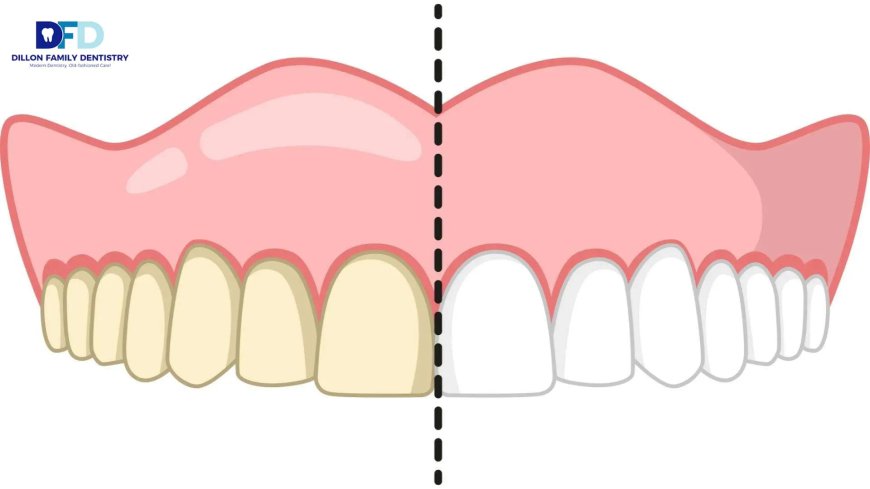
Will Teeth Whitening Make Your Teeth Sensitive Forever?
Teeth whitening sensitivity is temporary, not permanent. For most patients, it fades within 1 to 4 days as the enamel remineralizes and the nerve endings inside the tooth settle back down. Professional whitening in Bryn Mawr, done under a dentist's supervision with custom trays and a controlled gel strength, carries a much lower risk of lingering sensitivity than a store-bought kit used without any guidance.
I hear this question almost every week, usually from someone getting ready for a wedding, an interview, or a reunion. “If I whiten my teeth, will they stay sensitive forever?” It's a smart question to ask before treatment, not after.
After more than 30 years practicing on the Main Line, I've walked hundreds of patients through this exact concern. Here's why sensitivity happens, how long it should last, and what separates a treatment that leaves you glowing from one that leaves you wincing at your morning coffee.
What Happens to Your Teeth When They Whiten
Think of your enamel as a wall covered in millions of microscopic pores. When you use a whitening product, the active ingredient, hydrogen or carbamide peroxide, passes through those pores into the dentin layer underneath, where your tooth's nerve endings sit. That's also where years of coffee, tea, red wine, and normal staining have settled in.
When the peroxide reaches those nerve endings, your tooth responds the way any nerve responds to a new sensation: with a short burst of inflammation. That's what causes the tingling, and for nearly everyone, it settles down within a couple of days as the enamel closes back up and remineralizes with help from your saliva.
Some patients feel a mild tingle. Others get a sharper “zinger,” especially when cold air hits their teeth. If your enamel is already thin or you have some gum recession, you'll likely notice more of it than someone with thicker enamel.
Is Whitening Sensitivity Permanent?
No, not for the overwhelming majority of patients. What you're feeling is a temporary nerve response, not a sign that whitening has damaged your tooth structure. Once the dentinal tubules close and your enamel remineralizes, sensitivity resolves completely, and your teeth feel normal again.
Occasionally, a patient reports sensitivity that seems to stick around, and whitening usually isn't the real cause. A small cavity, a cracked filling, exposed roots from gum recession, or existing nerve irritation can all get “uncovered” by the whitening process rather than caused by it. That's exactly why I do an exam before starting any whitening treatment, so I know what I'm working with and don't let a patient blame whitening for something it didn't create.
How Long Does Sensitivity Last After Whitening?
Most patients feel completely normal within 48 hours. Here's the general timeline I share in consultations:
• 24 to 48 hours: typical resolution for professional in-office or take-home tray whitening
• Up to 4 days: still within normal range, especially after a stronger professional treatment
• 5 to 7 days: less common, usually tied to overusing an over-the-counter product
• Beyond a week: worth a call to your dentist, since this suggests something other than routine whitening sensitivity
Clinical research backs this up. Studies on both professional and over-the-counter bleaching systems consistently find that roughly one third to two thirds of users report mild to moderate sensitivity during treatment, resolving once treatment stops. There's no credible published research showing that properly used whitening treatments cause permanent nerve or enamel damage. What the data does show is that concentration and contact time matter more than people assume: a higher-concentration professional gel applied for a short, controlled window tends to produce less lingering sensitivity than a lower-concentration drugstore product left on for extended periods without supervision.
Professional Whitening vs. Over-the-Counter Kits: Which Is Safer?
Professional whitening starts with precise impressions that create custom trays for your mouth, so the gel only touches your teeth, at a concentration and duration your dentist controls.
Over-the-counter kits are made for the general population, which means more gel tends to reach your gum tissue. That's a big part of why drugstore whitening products cause more gum irritation and longer stretches of sensitivity than a professionally supervised treatment.
At Dillon Family Dentistry, we offer Zoom in-office whitening for patients who want dramatic results in one visit, plus custom take-home trays for a gradual approach. Either way, your treatment plan is built around your teeth, not pulled off a shelf. You can see the full range of our professional teeth whitening services and what to expect at your first visit.
Does Teeth Whitening Damage Enamel?
Not when it's done correctly. Whitening temporarily pulls a small amount of mineral out of your enamel, which is what makes teeth feel a bit more porous and sensitive for a day or two. That mineral loss is reversible: your saliva naturally redeposits calcium and phosphate into the enamel over the following days, restoring it to full strength.
Problems show up when patients use high-concentration products without guidance, whiten too often, or leave strips on longer than directed. That can cause prolonged demineralization or gum irritation. I've seen patients arrive convinced their teeth would “never be white again” after a summer of over-the-counter strips, when really they just needed a break and a proper exam.
How to Reduce Sensitivity After Whitening
A few adjustments make a real difference, and I walk every patient through this list before they leave my office:
• Use a desensitizing toothpaste with potassium nitrate for about a week before and after treatment
• Skip very hot or cold food and drinks for the first 48 hours
• Ask about a fluoride or prescription-strength desensitizing gel right after your session
• Space out whitening sessions instead of doing them back to back
• Choose custom-fitted trays over generic ones, so gel stays off your gum line
• Hold off on acidic foods and drinks, like citrus or soda, for a day or two afterward
If you already deal with sensitive teeth, professional whitening is still on the table. We start with an exam to check for cavities, worn enamel, or gum recession, then adjust gel concentration, add a desensitizing step, or space out your tray schedule so your teeth have time to recover between applications. We see patients from Bryn Mawr, Haverford, Ardmore, Wayne, Villanova, and Radnor for these consultations, and sensitivity management comes up in nearly every one.
When to Call Your Dentist About Whitening Sensitivity
Most sensitivity resolves on its own, but a few signs mean it's worth a phone call rather than waiting it out:
• Sensitivity lasting longer than a week after your last whitening application
• Sharp pain that isn't triggered by hot, cold, or air, but shows up randomly
• Swelling, bleeding gums, or visible irritation along the gum line
• Discomfort isolated to one tooth rather than spread across your smile
Any of those point to something other than typical whitening sensitivity, and it's worth having us take a look.
The Verdict: A Brighter Smile Without the Guesswork
Whitening sensitivity is common, temporary, and manageable. It's not a life sentence for your teeth. The real variable is who's guiding the process. Professional teeth whitening in Bryn Mawr, backed by a proper exam, a custom-fit tray, and a dentist checking in along the way, gives you the brightest, safest version of this treatment.
If you've been putting off whitening over fear of permanent sensitivity, let's talk it through at a consultation. Learn more about Dr. Dillon and our third-generation family practice, or contact our office to schedule a visit. We also offer flexible financing options if cost is part of what's holding you back.
Read More: Can Your Teeth Become Sensitive Forever From Teeth Whitening in Bryn Mawr?
Frequently Asked Questions
Can teeth whitening cause permanent tooth sensitivity?
No. The temporary sensitivity from whitening comes from a short-lived inflammatory response in your tooth's nerve endings. It resolves naturally as your enamel remineralizes, typically within 1 to 4 days.
Is it normal for my teeth to hurt after whitening?
Yes. A mild tingle or brief “zinger” is a common, expected part of the whitening process, whether you're using a professional or at-home system. It's a sign the treatment is working, not that something's wrong.
How long does sensitivity last after professional whitening?
Most patients feel normal again within 24 to 48 hours, with some stretching to 4 days after a stronger treatment. If it lasts longer than a week, call our office for an evaluation.
Why do my teeth hurt more after whitening strips than after an in-office treatment?
Over-the-counter strips don't fit your mouth precisely, so the gel often contacts your gums unevenly without professional monitoring. Custom trays control both fit and gel concentration, which usually means less irritation.
What's the best whitening option if I already have sensitive teeth?
A dentist-prescribed gel concentration in custom-made take-home trays, paired with desensitizing toothpaste beforehand, tends to work best. We evaluate your enamel and gums first, then build a plan around your comfort level.
What should I do if sensitivity doesn't go away after whitening?
If discomfort lasts more than 7 days or feels sharp and localized to one tooth, schedule an exam. It may point to something unrelated to whitening, like a small cavity or gum recession that whitening simply made more noticeable.